A check of the chimney, venting and alarms so smoke and carbon monoxide go up and out and your family is protected.
Carbon monoxide is a colorless, odorless gas made whenever fuel burns incompletely. A blocked chimney, a cracked flue or a draft problem can send it back into the house. It is a danger because you cannot see or smell it, and the early symptoms are easy to mistake for the flu: headache, tiredness, nausea and dizziness.
We check the parts of the system that matter most for this risk: that the flue is open and sound, that the damper is set correctly, that the cap is not clogged, that appliances vent properly and that your alarms are in the right places and working. If we find a problem, we explain it clearly, and if there is an immediate danger, we say so right away.
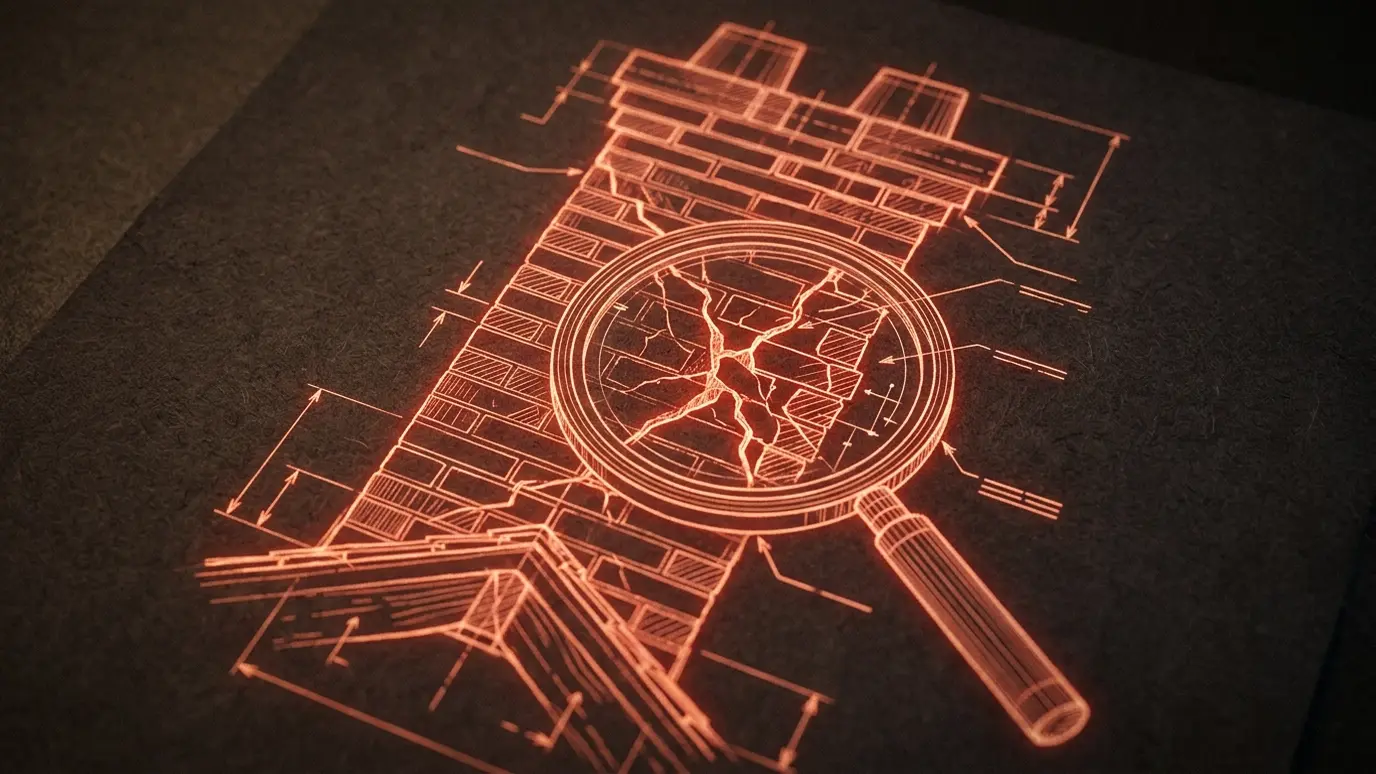
We look for blockage, cracks and leaks in the flue and connectors, which are the most common routes for carbon monoxide to enter the house.
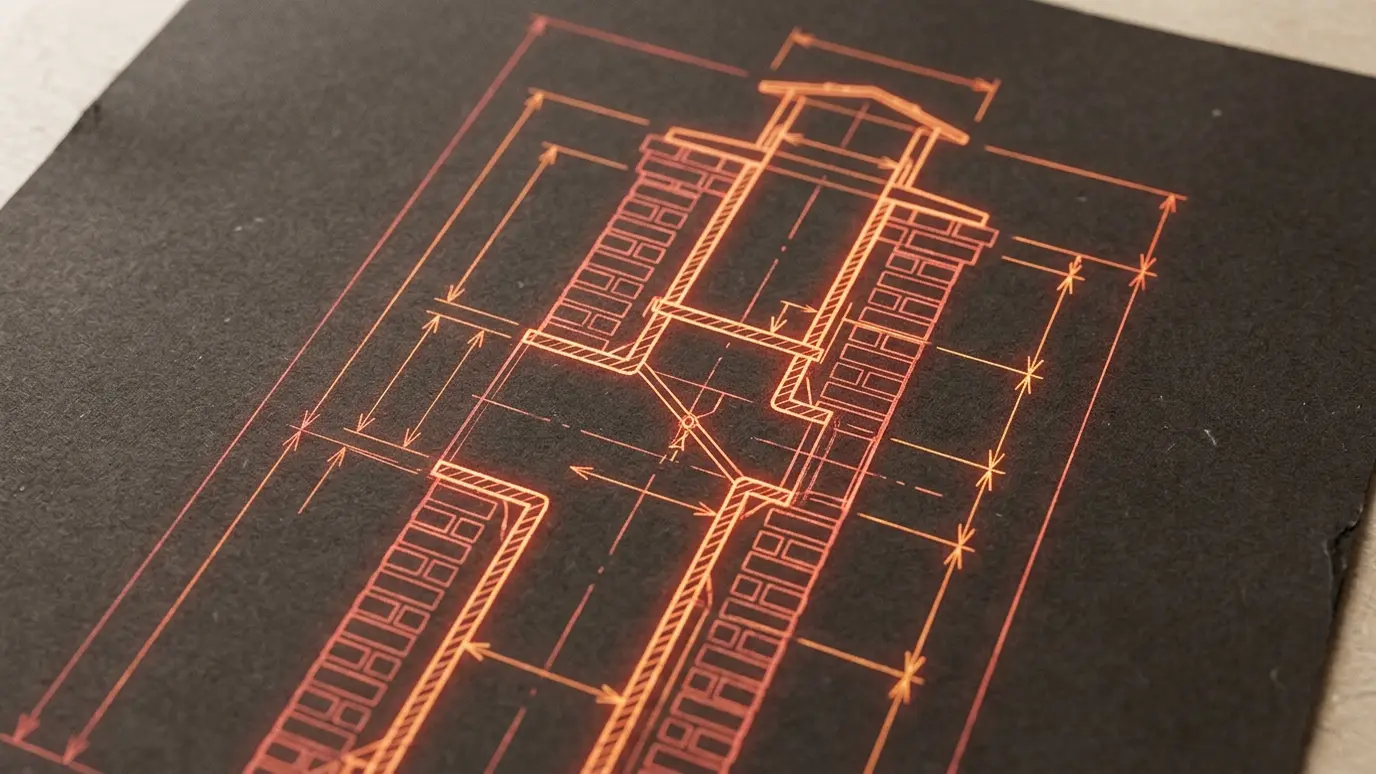
Wood, gas, oil and pellet appliances all produce carbon monoxide if they are not venting well. We check the venting for each kind.
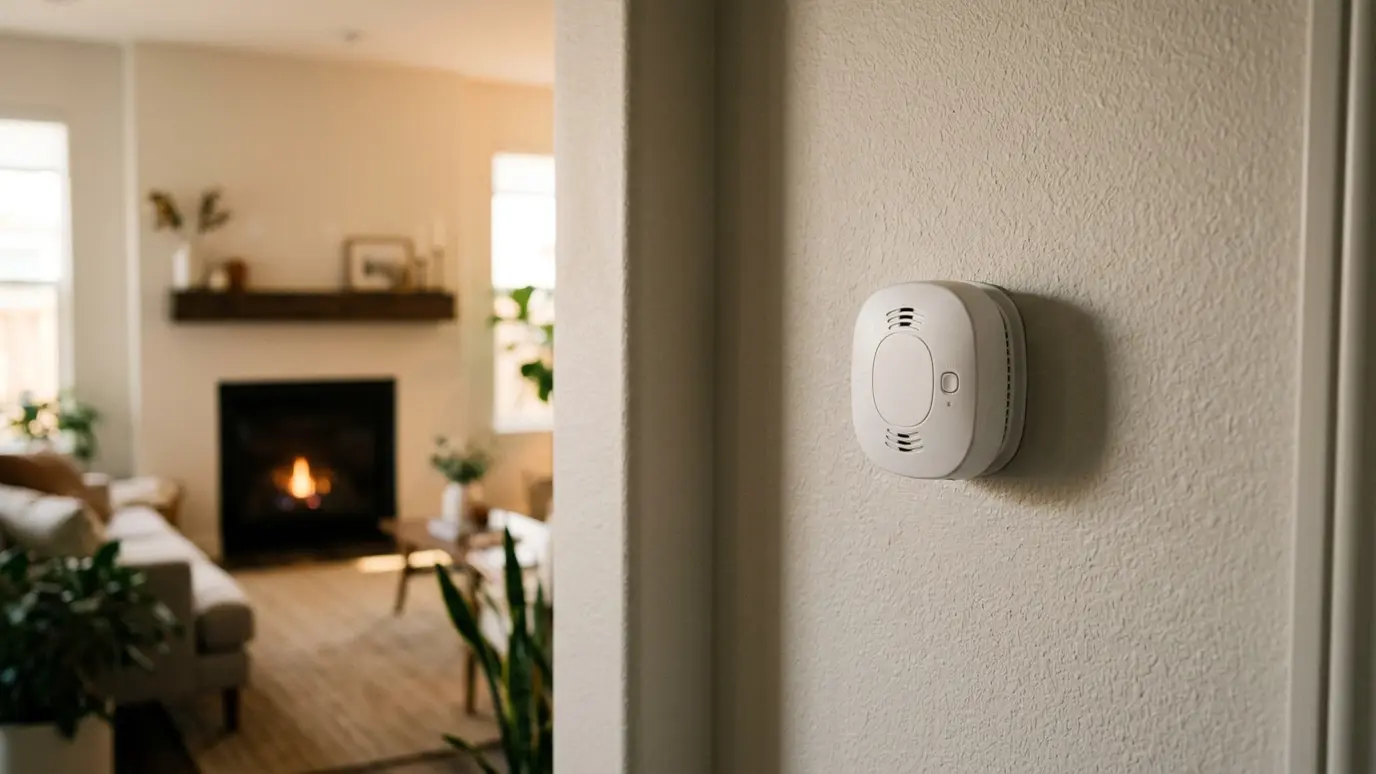
Carbon monoxide alarms should be on each level and near sleeping areas. We explain where to put them and how to test them.
If an alarm sounds or you feel sick, get everyone outside to fresh air and call emergency services. We give you a simple checklist to keep.
The main goal.
Blockage and leaks.
Wood, gas, oil, pellet.
Where and how many.
Know what to do.
Easy to understand.
Every topic has its own page with what to expect and how we approach it.
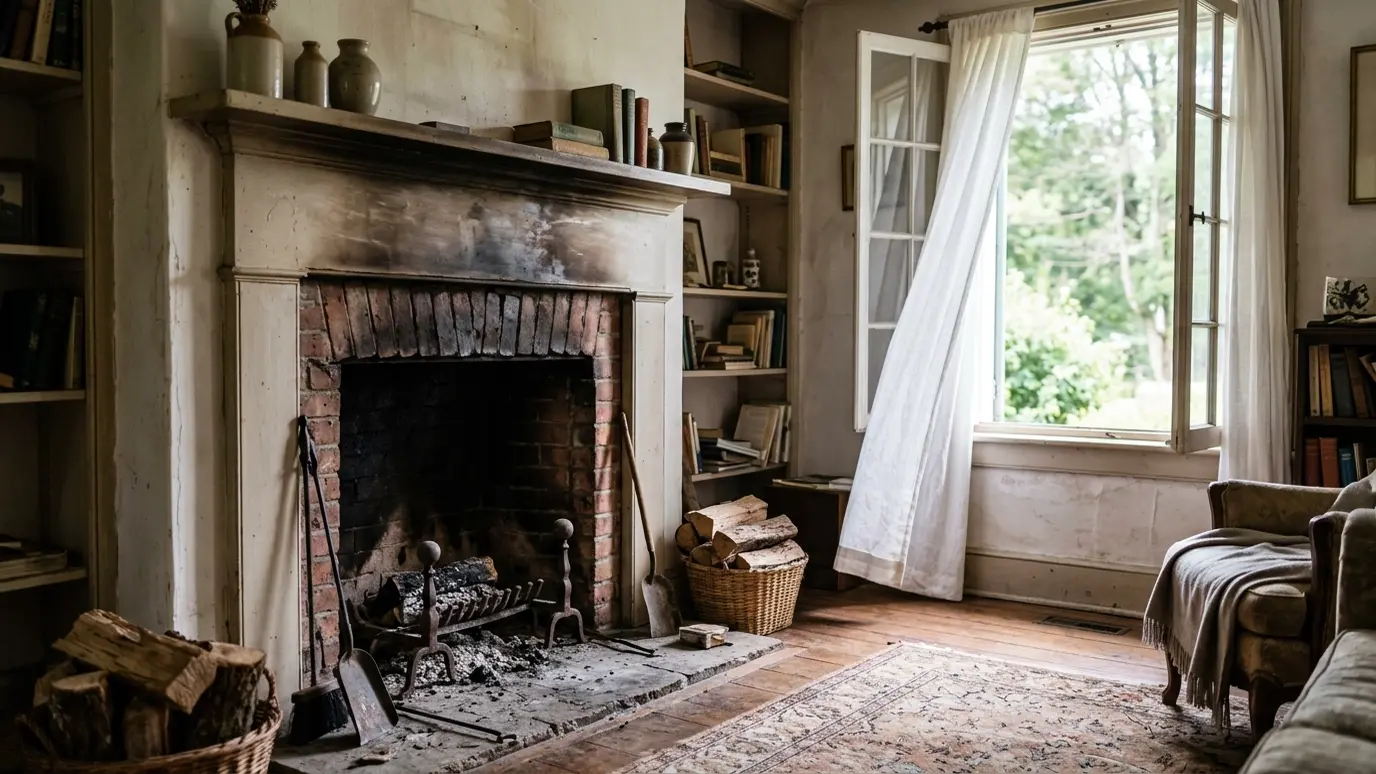 Project situationSmoke and Odor ProblemsSmoke in the room or a smoky smell in summer both have causes. Here is how we find…Learn more
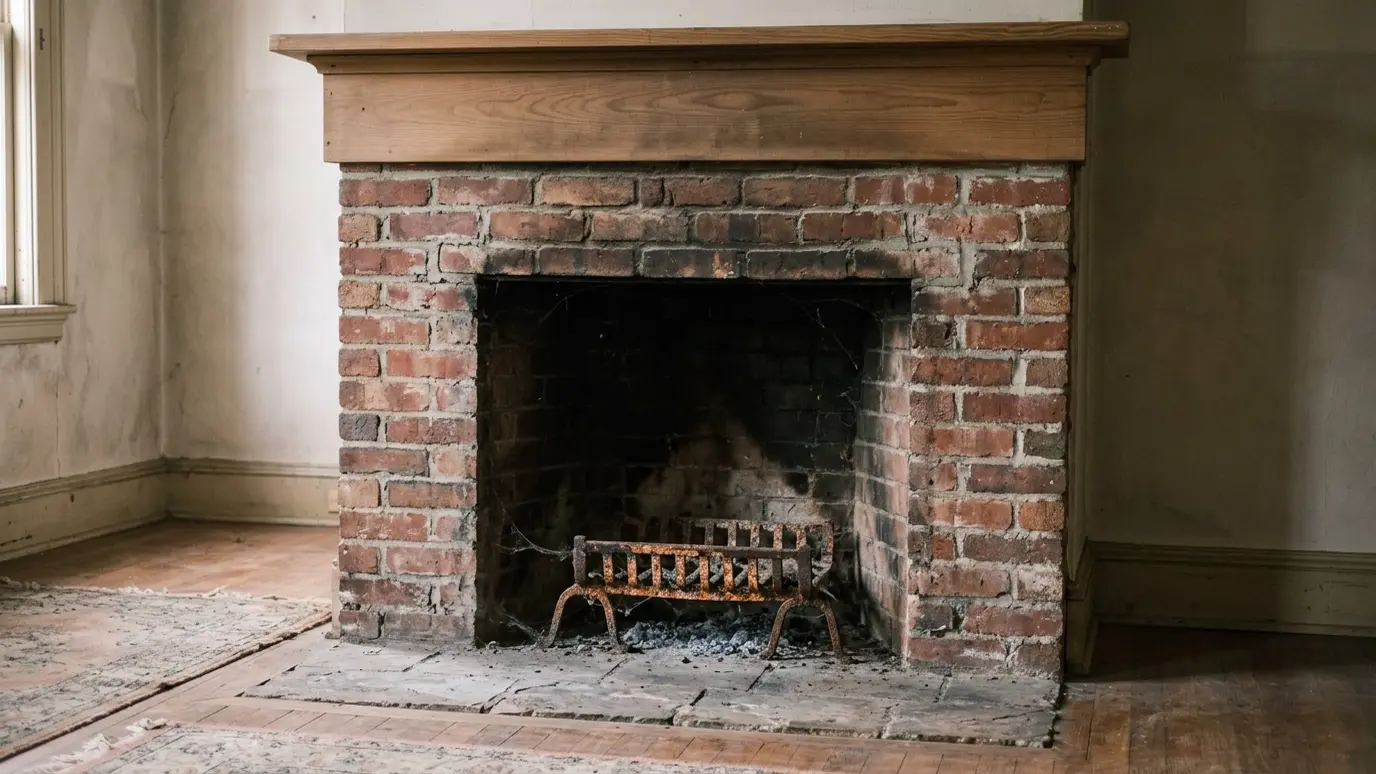 Project situationUnused FireplacesA fireplace that sat cold for years can heat the home again. Here are the steps and the…Learn more
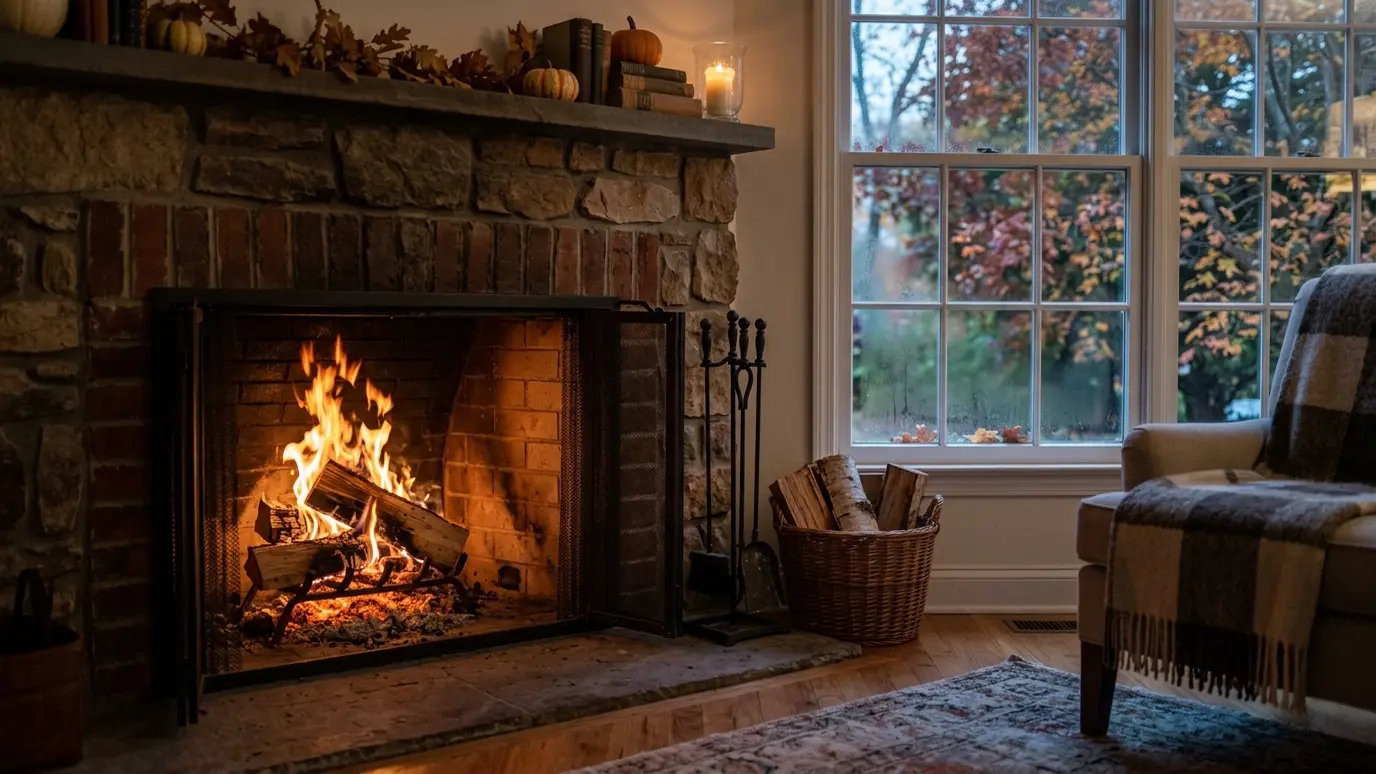 Project situationFirst Fire of the SeasonThe first cold night is not the time to find out your chimney needs work. Here is how…Learn more
Tick off the safety items you have and see what to add before the burning season.
You tell us about the chimney, fireplace or stove and what you have noticed, and we set a visit that fits your day.
We look closely at the chimney, inside and out, ask how you use it and take photos of anything of note.
We explain what is urgent, what can wait and what is optional, and give you a written scope and options.
We lay drop cloths, seal the firebox and protect the roof and landscaping before any work begins.
We sweep, repair or install with the right tools and materials, checking our work as we go.
We clean up, show you what we did, share tips and set a reminder for your next visit.
Yes, if it is blocked, cracked or has a draft problem. Regular inspection reduces the risk.
Yes. Put one on every level and near sleeping areas, and test it regularly.
Headache, dizziness, nausea and tiredness. If you suspect it, go outside and call emergency services.
They can be if the vent is blocked or the unit needs service. A yearly check helps.
Once a year, along with your chimney inspection.
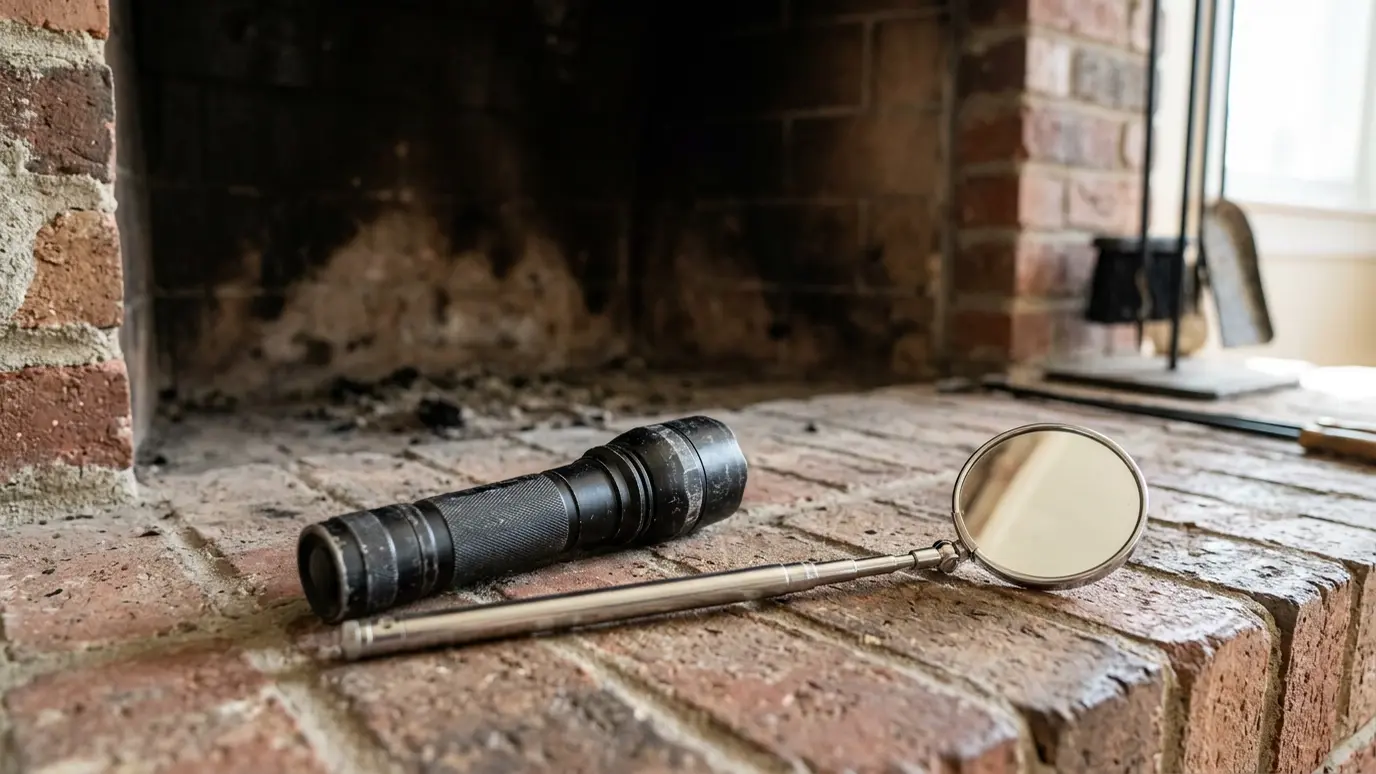 Chimney InspectionsA careful look at the flue, firebox, crown, cap and masonry, with photos and a plain-language report on…Explore
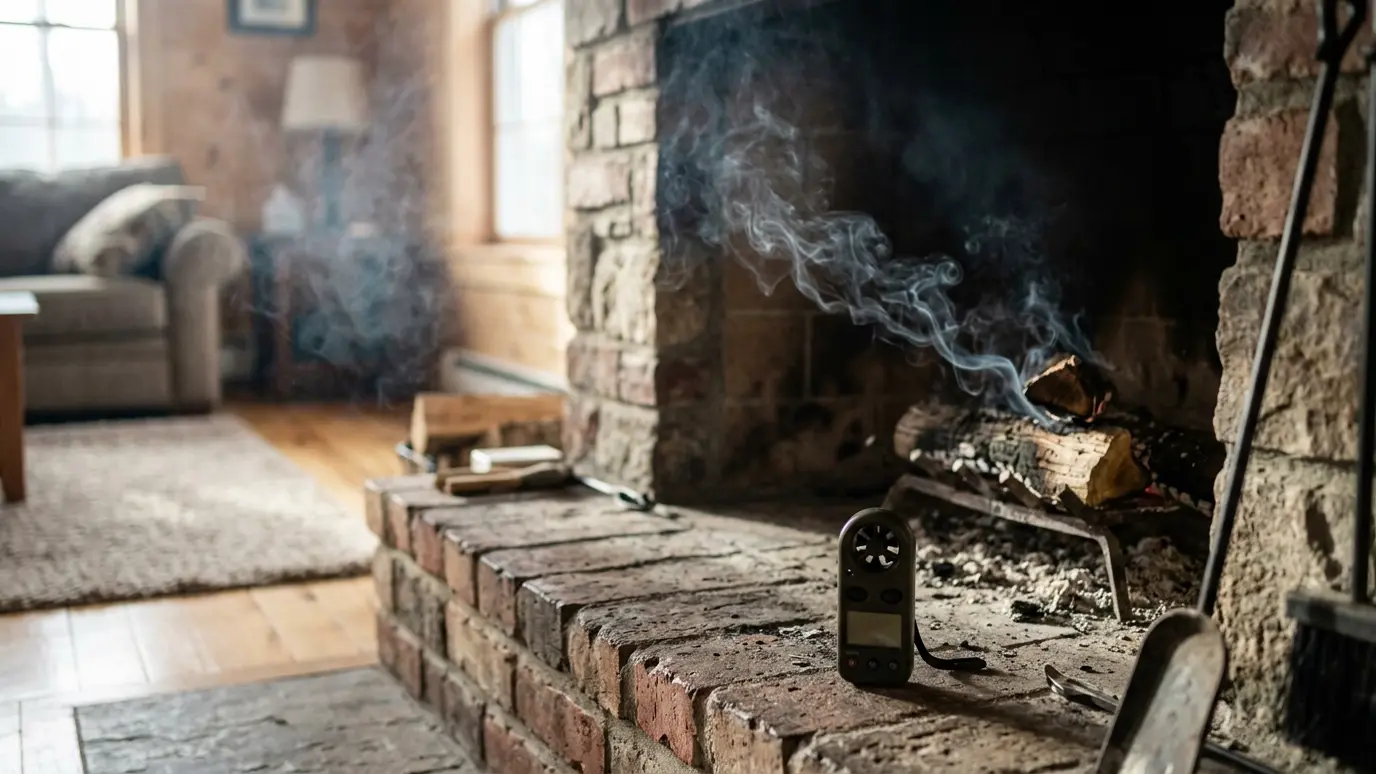 Draft and Smoke DiagnosisA fireplace that smokes, a stove that will not draw or a chimney that pulls cold air down…Explore
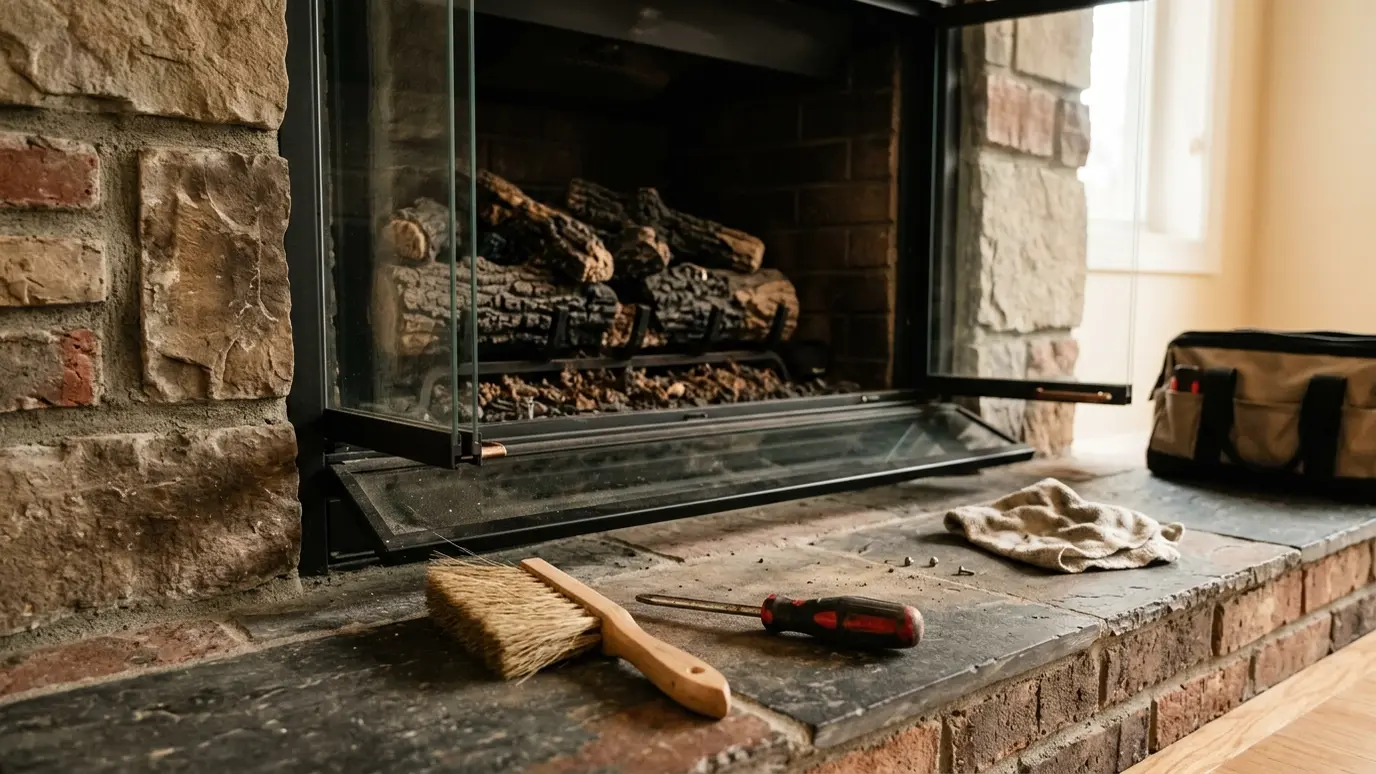 Gas Fireplace Service and CleaningYearly service for gas fireplaces and gas logs: glass, logs, burner and vent cleaned and checked so the…Explore
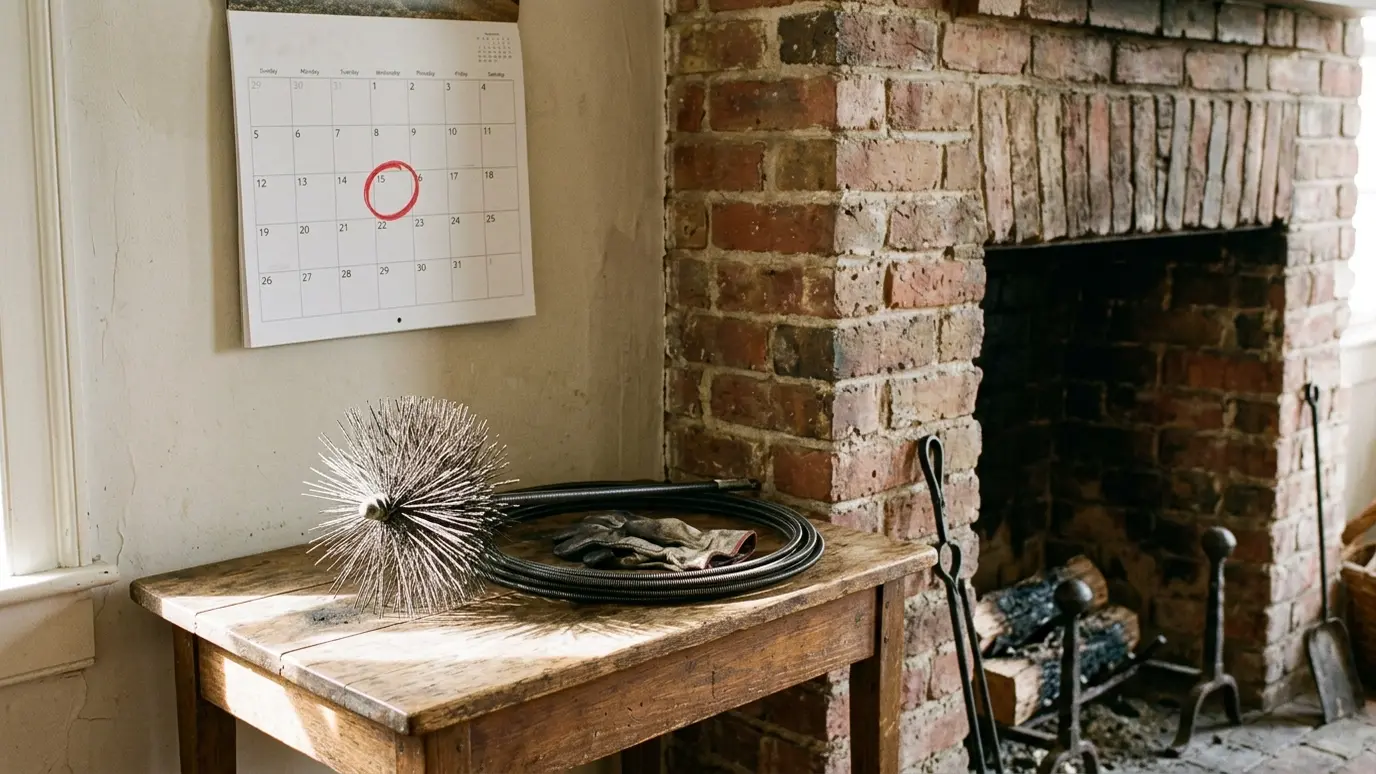 Annual Chimney Maintenance PlansA simple yearly visit that sweeps, inspects and photographs your chimney, with reminders so nothing gets missed.Explore
Tell us about the project and we will call you back to talk it through.
Or call (615) 357-7797 to talk now.