A cast-in-place or cement-based coating restores a damaged flue from the inside, sealing cracks and creating a smooth new surface.
Some chimneys have odd flue shapes, offsets or old brick-only flues that a standard liner cannot enter. For those, there are repair methods that work from the inside and restore the flue where it stands. A cement-based coating or a poured liner can seal small gaps, fill rough surfaces and create a smooth, continuous wall for the smoke.
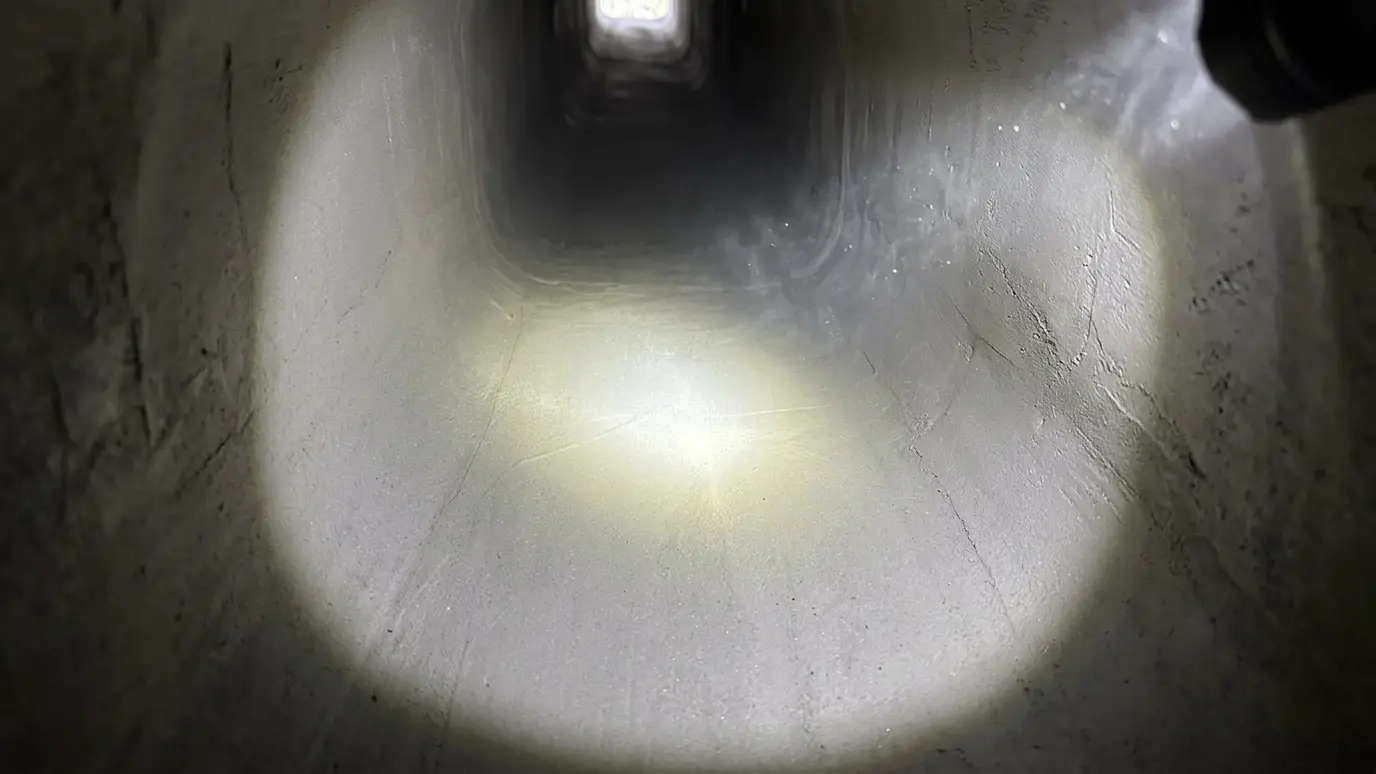
We use these methods where they make sense and explain where they do not. They are often a good fit for older masonry chimneys with minor damage or for flues that need smoothing. For flues with serious damage, a stainless liner is usually the better choice, and we say so honestly. Because the work happens inside the flue, we scan it before and after, so you can see the surface we started with and the smooth, sealed surface we leave behind.
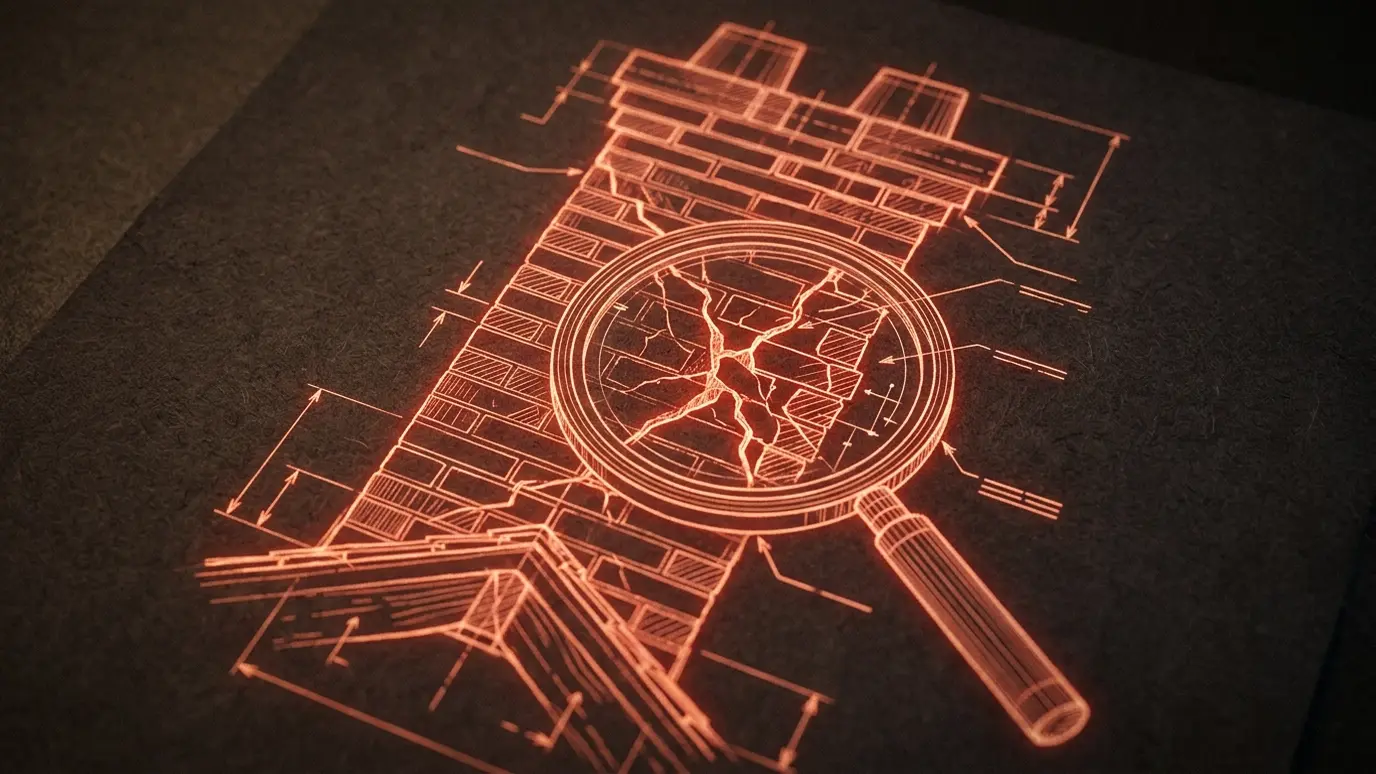
Resurfacing suits flues with minor cracks, rough surfaces or worn joints, especially in older chimneys with unusual shapes.
We clean the flue thoroughly, inspect it with a camera, apply or pour the material and confirm the result. The new surface is smooth and sealed.
The materials are made for flues and handle the heat and acidic gases. We select them to match the fuel you burn.
Large cracks, missing tile and fire damage need more than coating. We recommend a liner in those cases.
No tearing apart.
Before and after.
Smoother path.
Matched to fuel.
Liner when needed.
Offsets and old brick.
Every topic has its own page with what to expect and how we approach it.
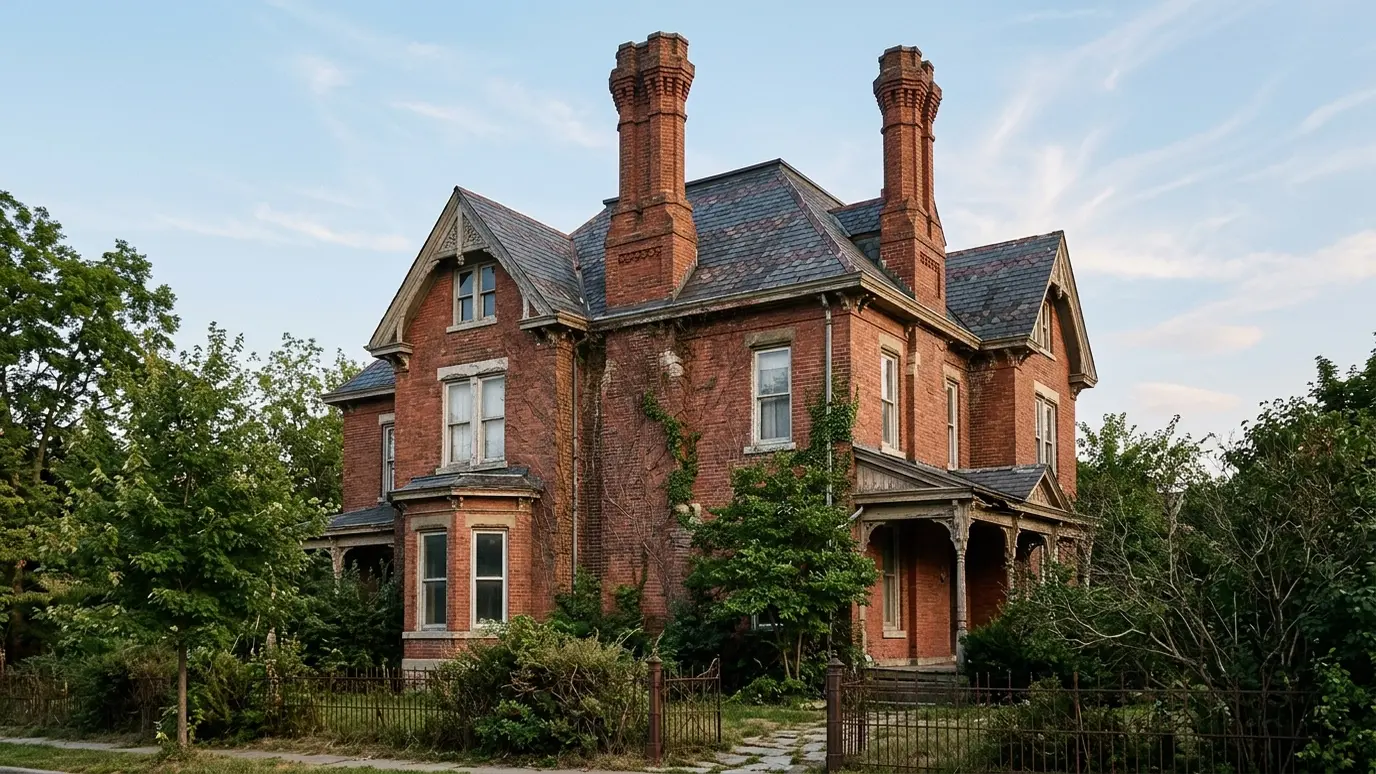 Project situationOlder and Historic HomesOlder chimneys have soft brick, old mortar and no liner. They need a gentler approach and the right…Learn more
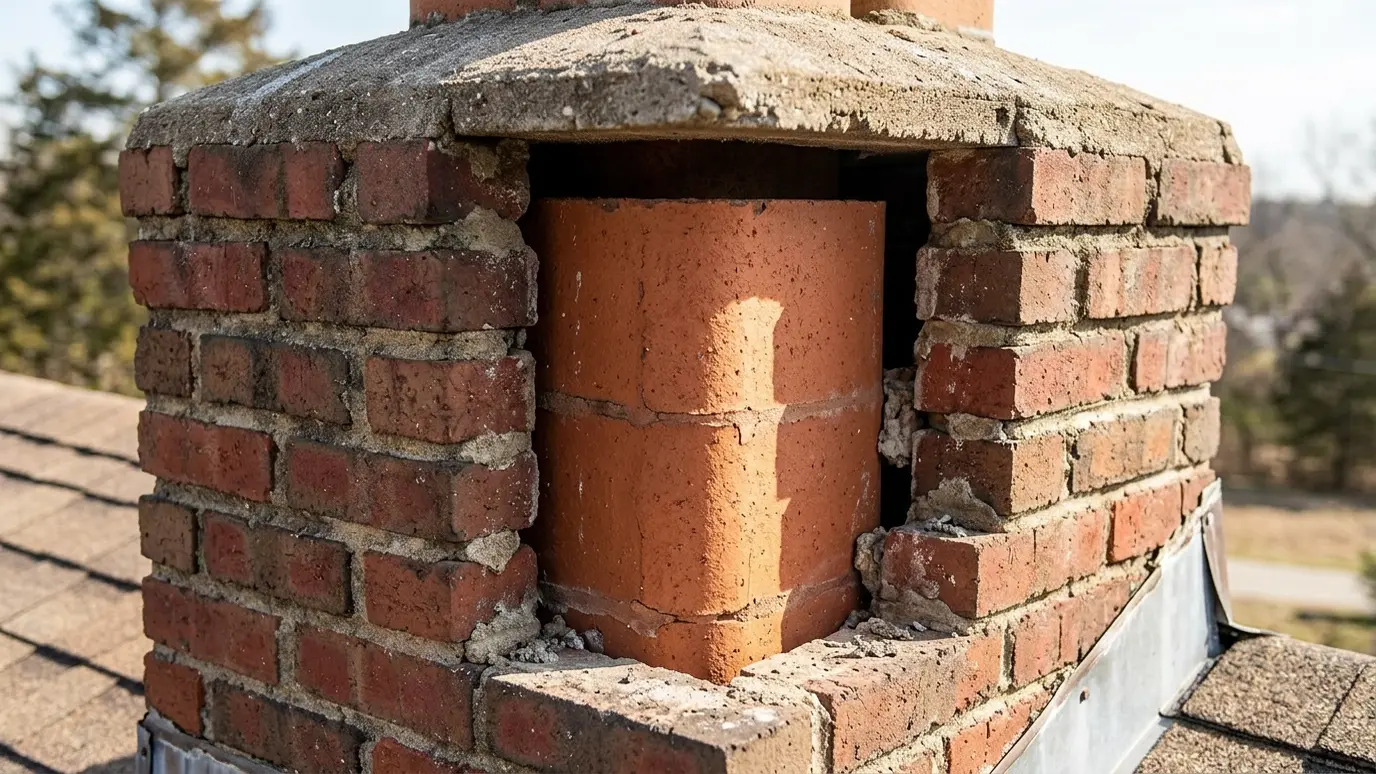 Material guideClay Flue TileClay tile has lined chimneys for a century. Here is what it does well and where it fails.Learn more
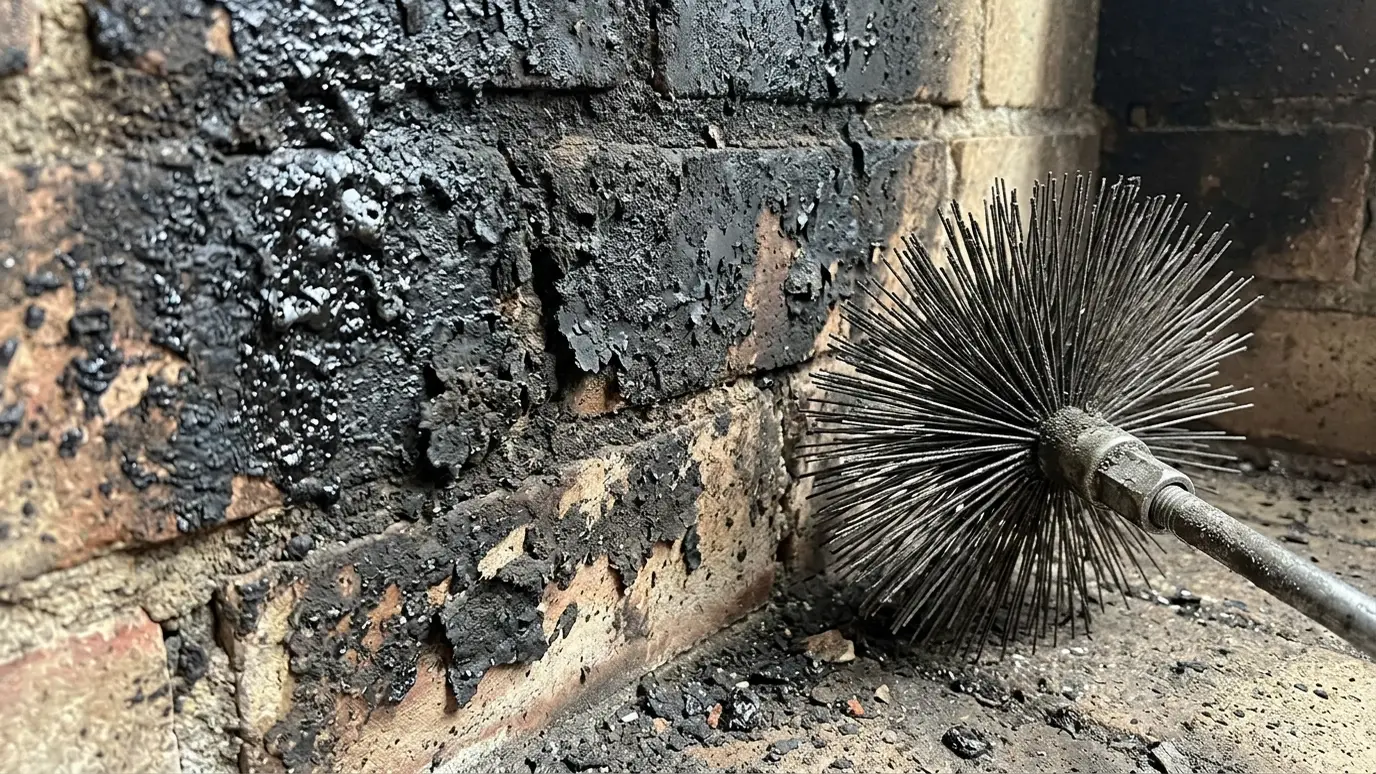 Material guideCreosote and SootCreosote and soot are the byproducts of every fire. Here is what they are and why they matter.Learn more
Enter the size of a fireplace opening or pick a stove to see the flue size and liner to plan for.
You tell us about the chimney, fireplace or stove and what you have noticed, and we set a visit that fits your day.
We look closely at the chimney, inside and out, ask how you use it and take photos of anything of note.
We explain what is urgent, what can wait and what is optional, and give you a written scope and options.
We lay drop cloths, seal the firebox and protect the roof and landscaping before any work begins.
We sweep, repair or install with the right tools and materials, checking our work as we go.
We clean up, show you what we did, share tips and set a reminder for your next visit.
For minor damage it can be a good solution. For serious damage, a liner is better.
Often a day, plus time for the material to cure.
Not until the material has cured. We tell you how long.
It can. We match the method to the appliance.
Yes. A camera check confirms the surface is smooth and complete.
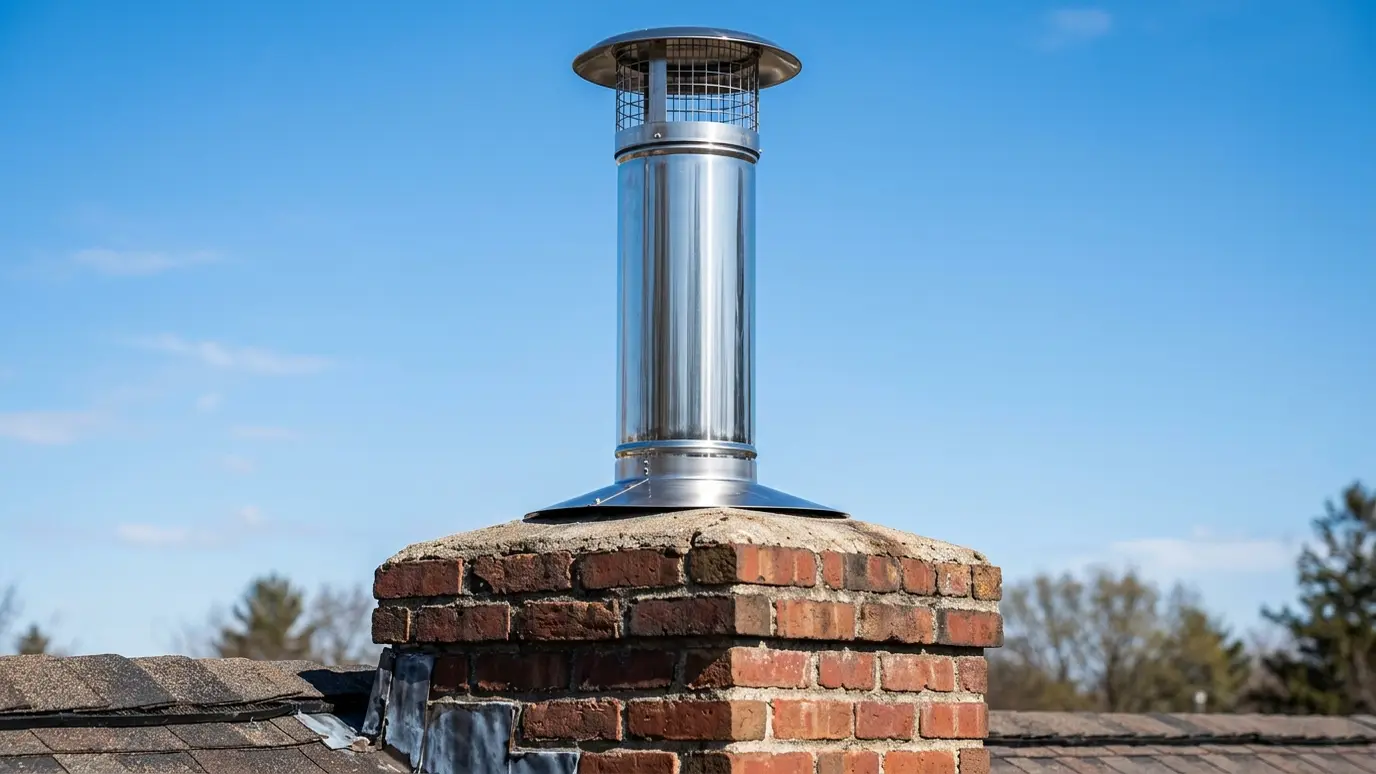 Stainless Steel Chimney ReliningA stainless steel liner replaces a cracked or missing flue lining and is the most common way to…Explore
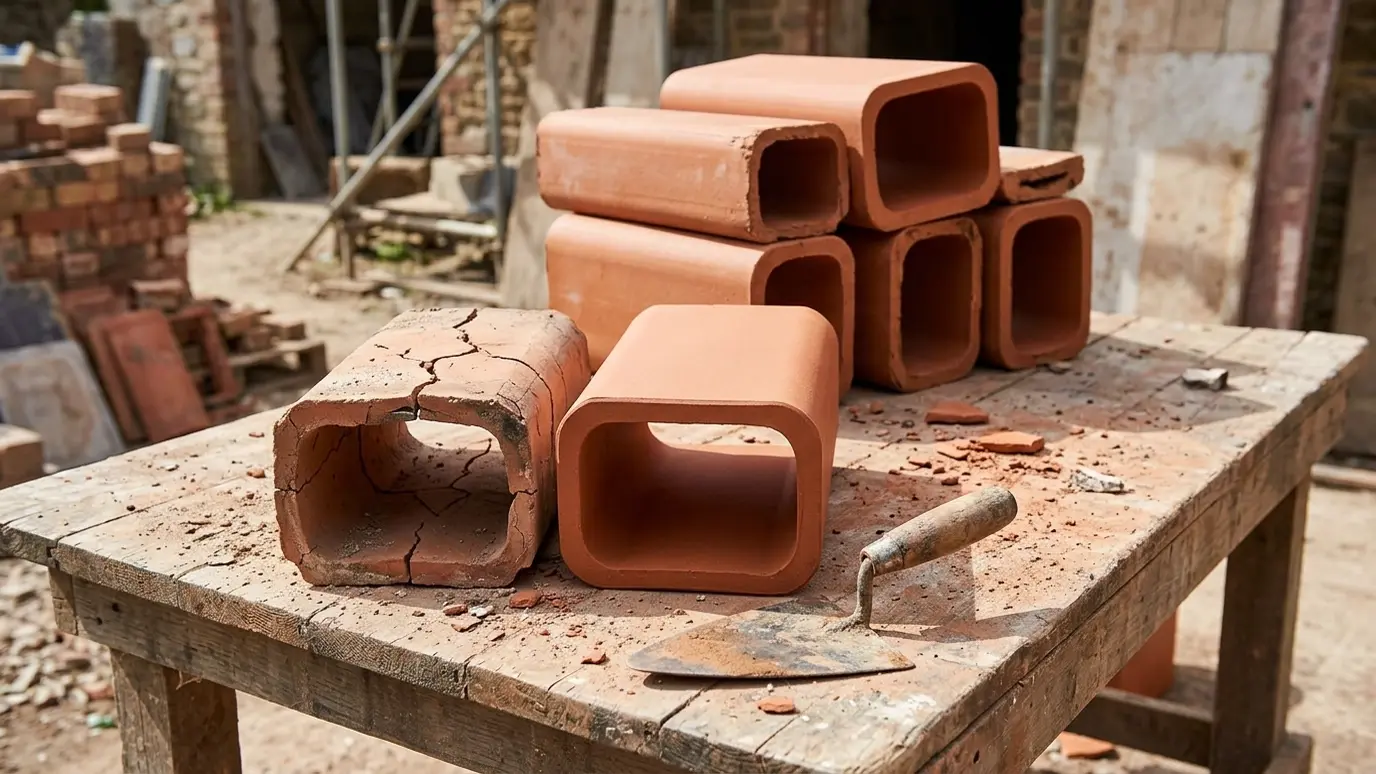 Clay Flue Tile RepairCracked or loose clay flue tiles are repaired or replaced so the flue is sealed and the chimney…Explore
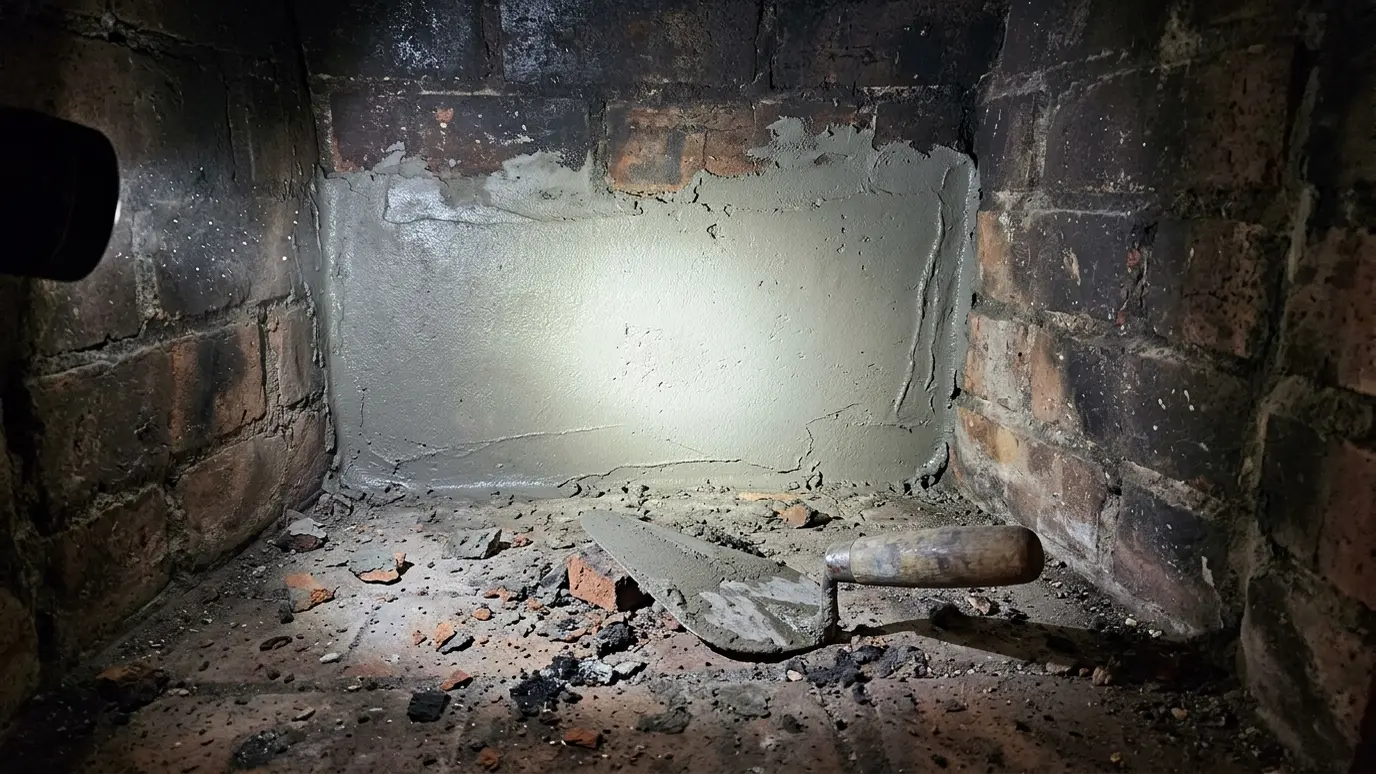 Smoke Chamber PargingThe funnel above the firebox is smoothed with a heat-rated coating, so smoke flows upward and heat stays…Explore
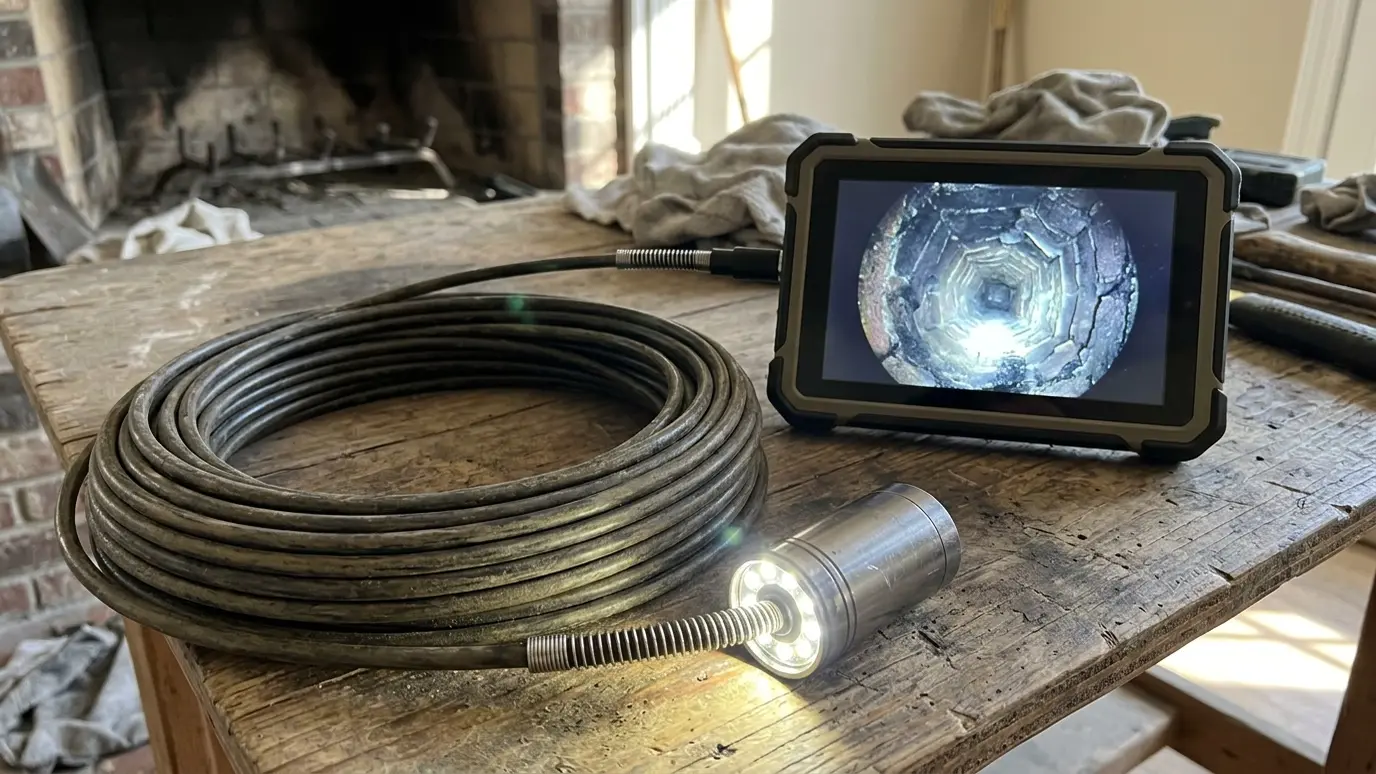 Chimney Camera InspectionA small camera is run through the flue so we can see cracks, gaps and buildup that a…Explore
Tell us about the project and we will call you back to talk it through.
Or call (615) 357-7797 to talk now.