Level one: the routine look
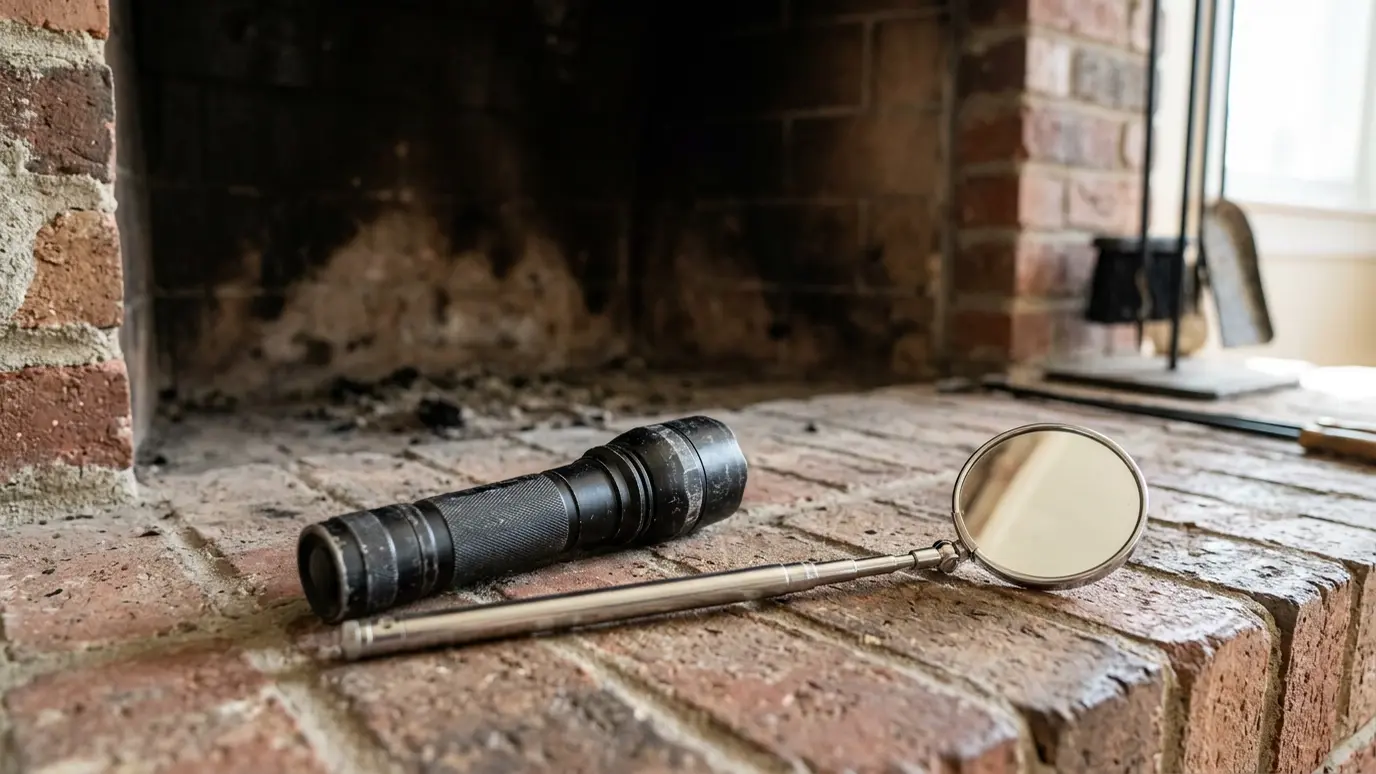
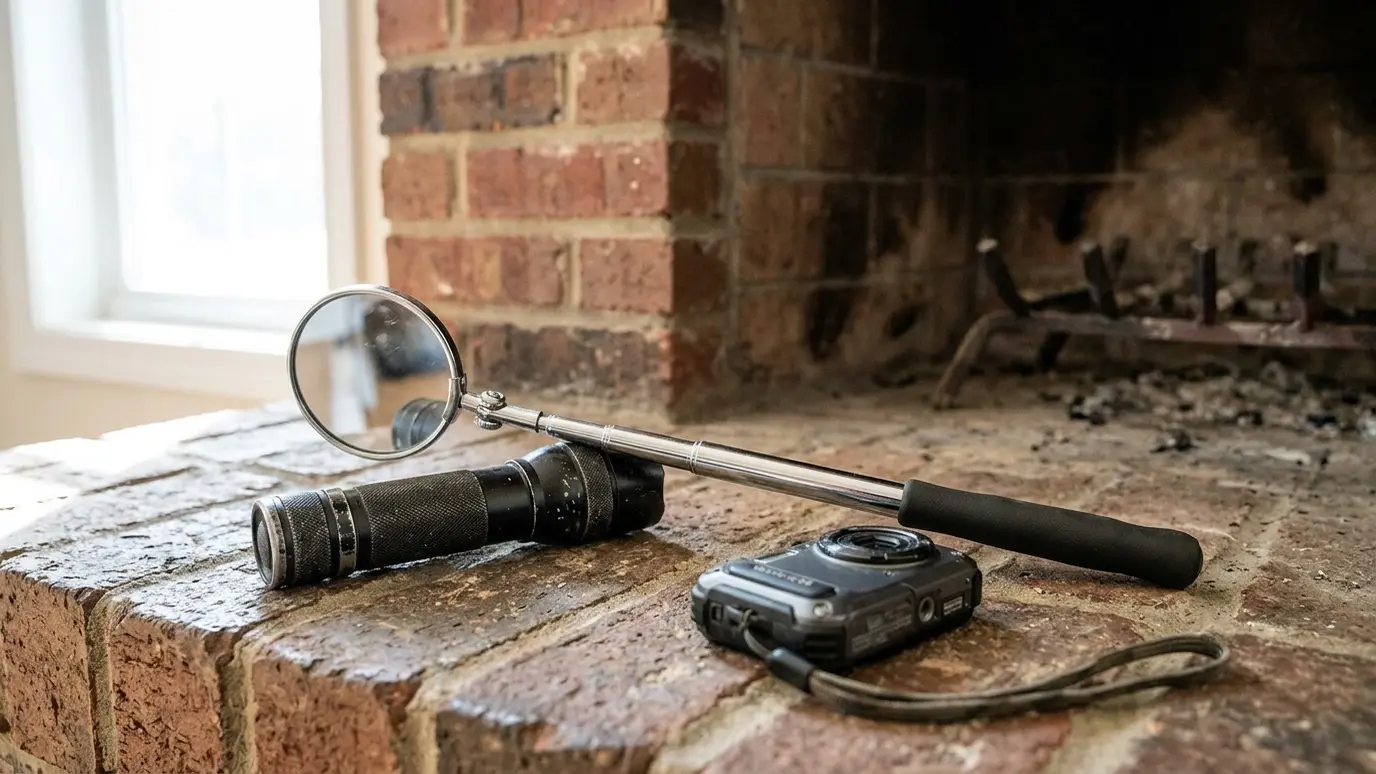
A first-level inspection looks at the readily accessible parts of the chimney and flue and checks for obstructions and buildup. It suits a chimney that has been used the same way for years.
It is the basic yearly check.
Level two: when something changes
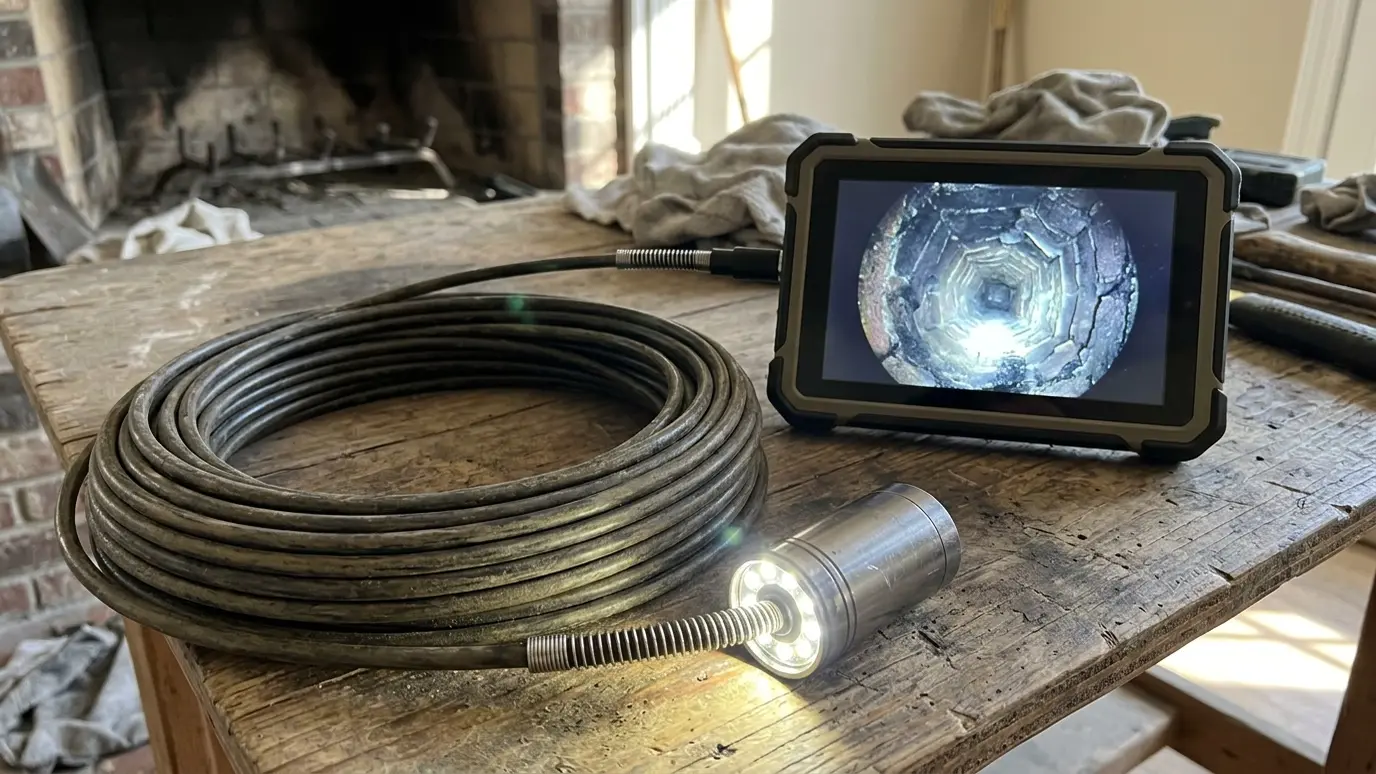
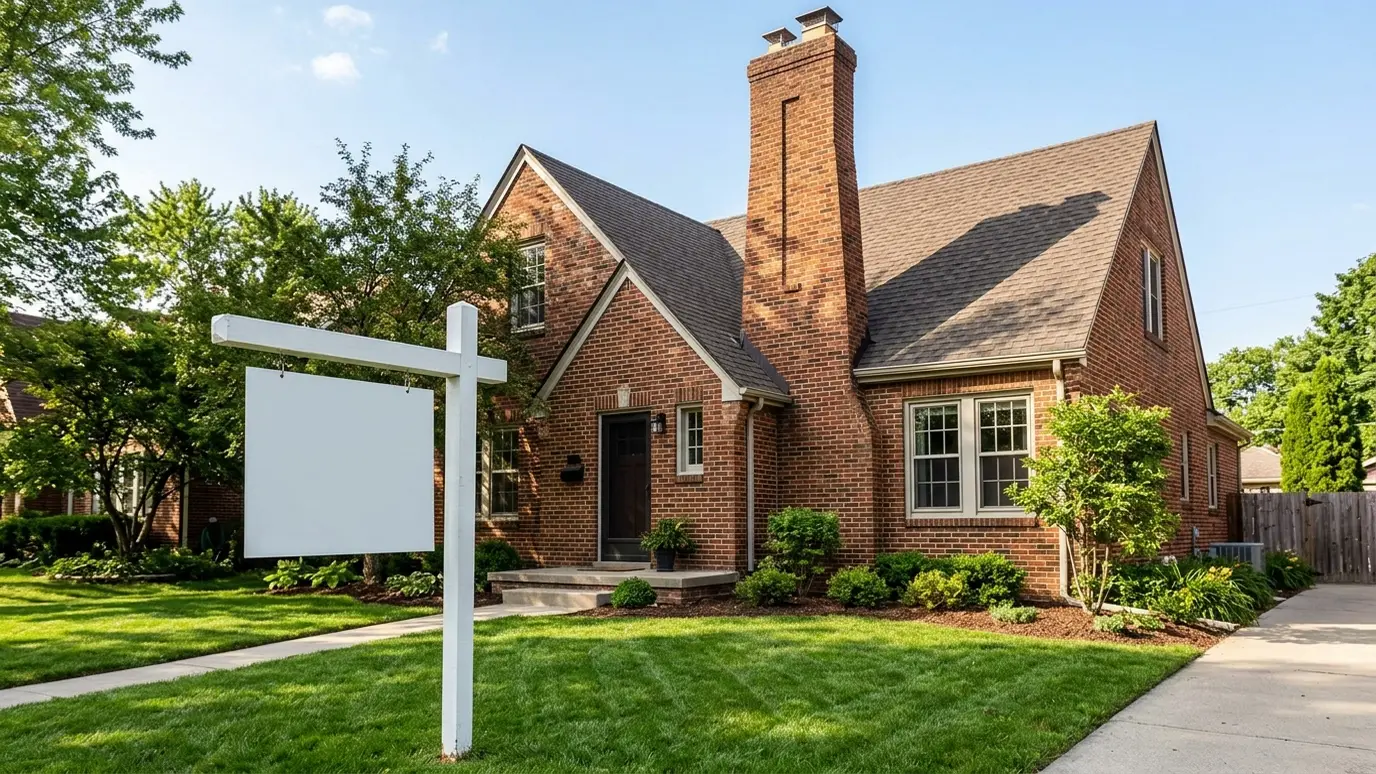
A second-level inspection adds a camera scan of the flue and a look at attics and crawl spaces. It is recommended when you change the fuel type, add an appliance, sell or buy a home or have had an event like a fire or storm.
It shows what is inside.
Level three: hidden damage
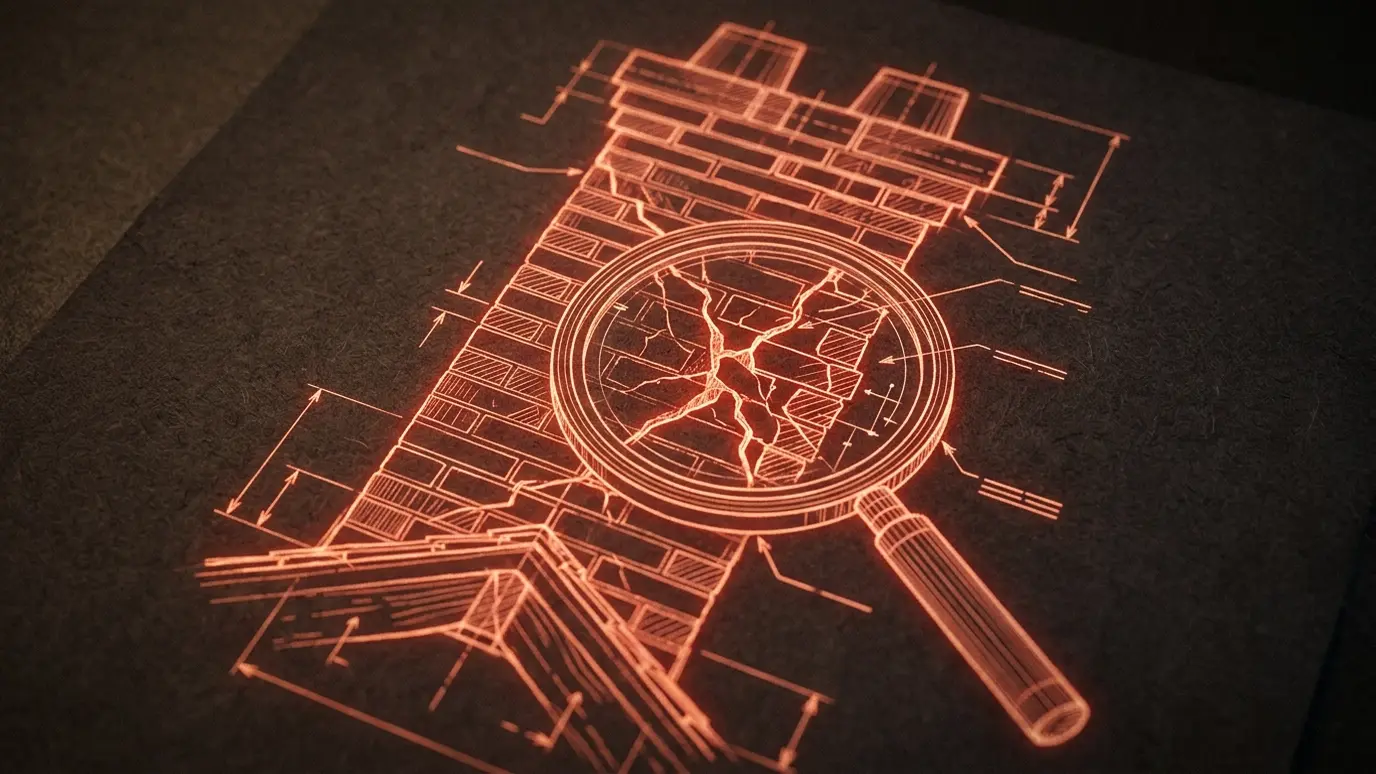
A third-level inspection may involve removing parts of the chimney or building to reach a suspected hazard. It is rare, and used when serious damage is suspected.
We explain if it is ever needed.
What a camera adds
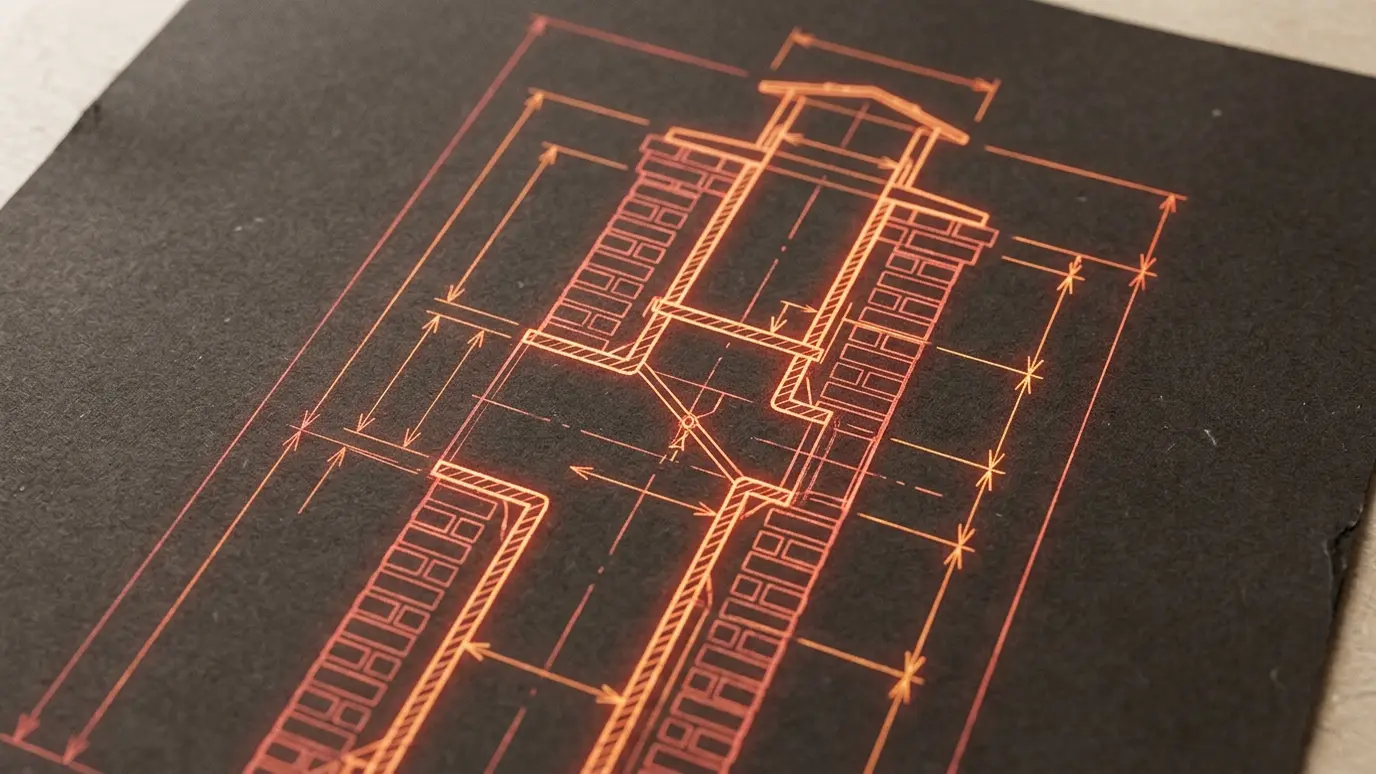
A camera sees the full length of the flue, including joints and bends, and records the picture. It turns guesses into facts.
We share the footage and key images.
Matching level to situation
Routine yearly check: level one. Buying or selling, new appliance, after a fire or storm: level two. Suspected hidden damage: level three.
When in doubt, we guide you.
What you receive
A clear report with photos and a summary of what is safe, what needs repair and what to watch.
It is useful for you, buyers and insurers.
Use a routine check each year and step up to a camera scan whenever something about the chimney or the way you use it changes.