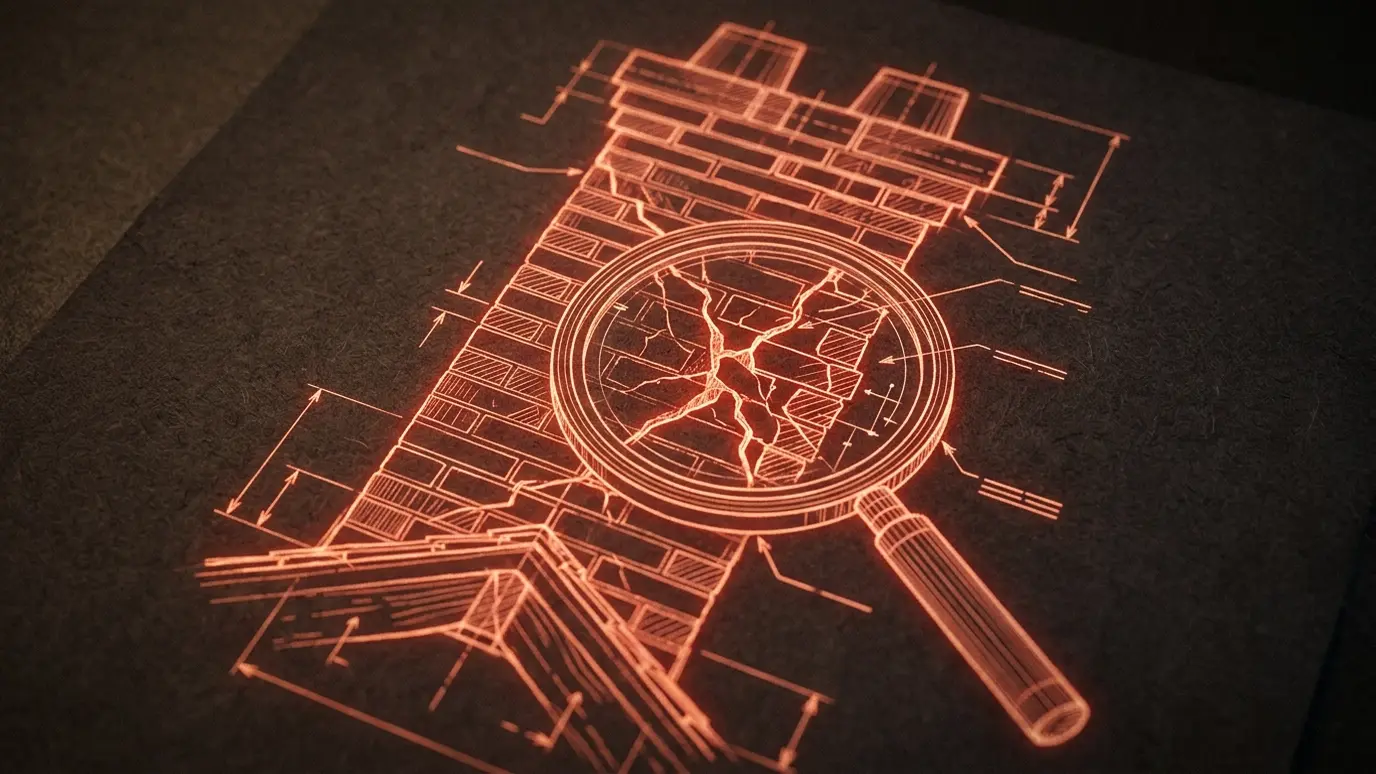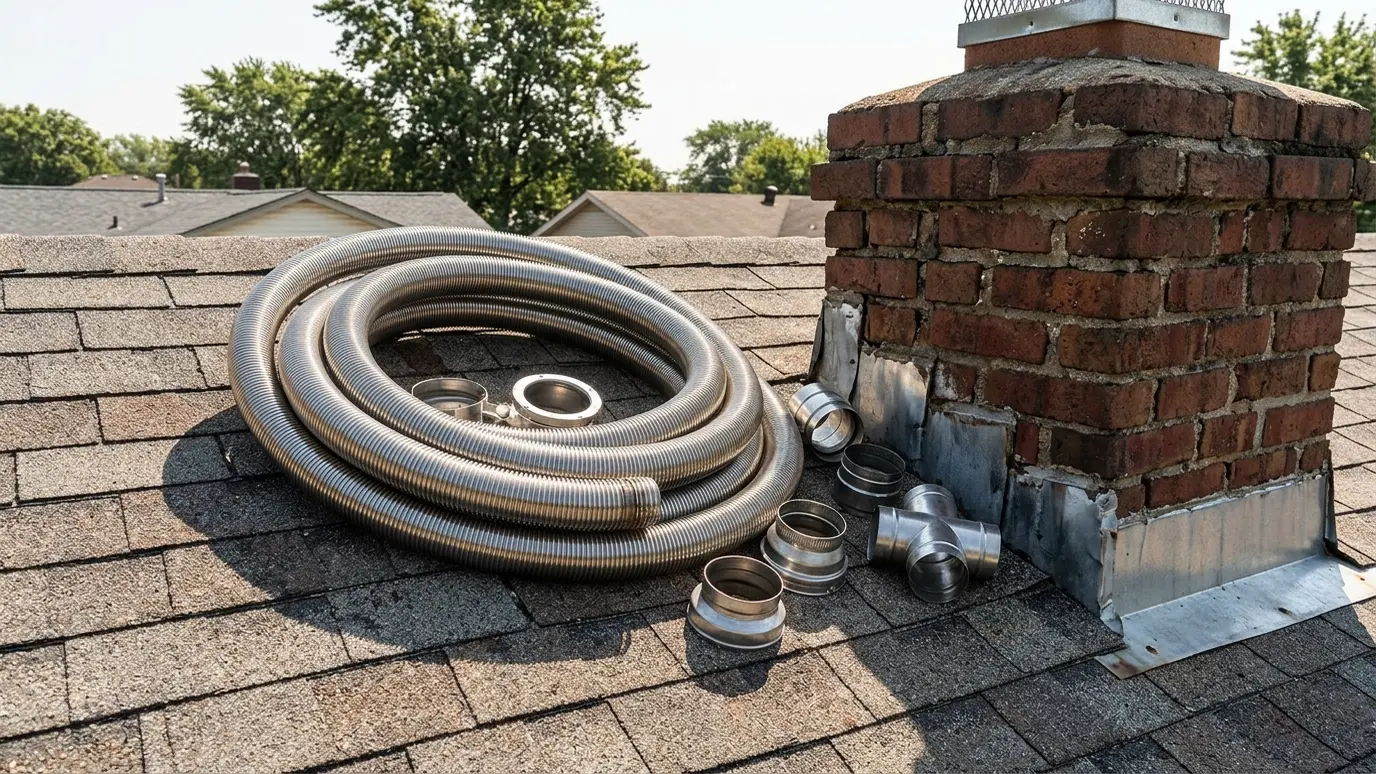
A properly sized liner gives smoke a safe, sealed path up the chimney and protects the masonry from heat and acidic gases.
Inside every chimney is a flue, and the flue is supposed to be lined. The liner carries hot, acidic smoke up and out, keeps it away from the masonry and the wood framing and makes the chimney draw properly. Many older chimneys have no liner at all, and many others have clay tiles that have cracked over the years. A damaged or missing liner is one of the most serious problems a chimney can have.
We install liners sized to the appliance and the chimney, because the match matters. A flue that is too large lets smoke cool and form creosote, and one that is too small chokes the draft. We measure, recommend the right type and install it with the proper connections at the top and the bottom, then confirm the work with a final check.
Smoke contains acids and moisture that eat at mortar and brick from the inside. A liner protects the chimney and keeps heat from reaching nearby wood.
Stainless steel flexible liners suit most retrofits. Clay tile is the traditional choice for new construction. Cast-in-place liners can restore a damaged flue. We explain the differences.
A fireplace, a wood stove, an insert and a gas appliance each need a flue of a certain size. We match it to your appliance for a good draft and cleaner burning.
The liner must connect firmly to the appliance and to a cap at the top. We insulate where it is called for and finish the top neatly.
Better draft, less creosote.
From heat and acid.
Smoke stays in the flue.
Stainless, clay or cast.
Top and bottom.
Draft and tightness.
Every topic has its own page with what to expect and how we approach it.
 Project situationOlder and Historic HomesOlder chimneys have soft brick, old mortar and no liner. They need a gentler approach and the right…Learn more
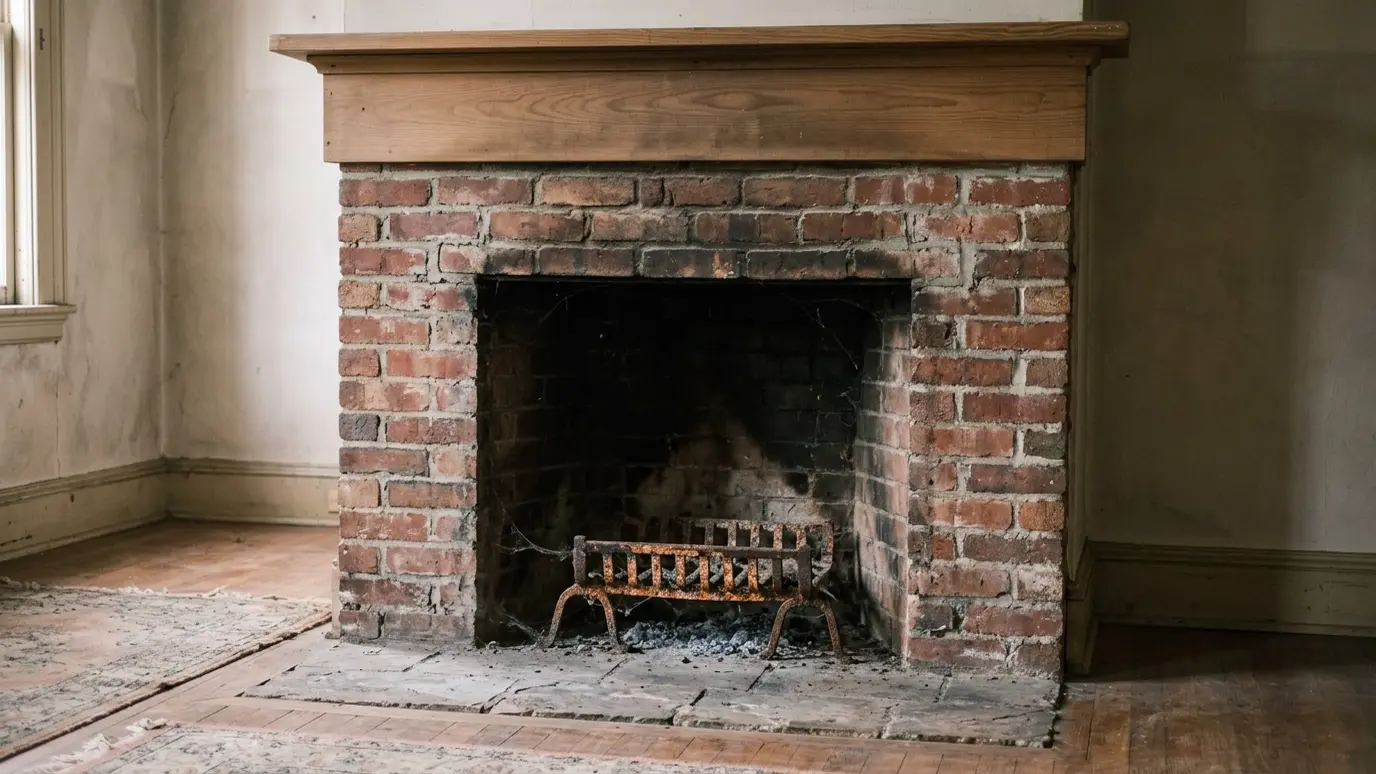 Project situationUnused FireplacesA fireplace that sat cold for years can heat the home again. Here are the steps and the…Learn more
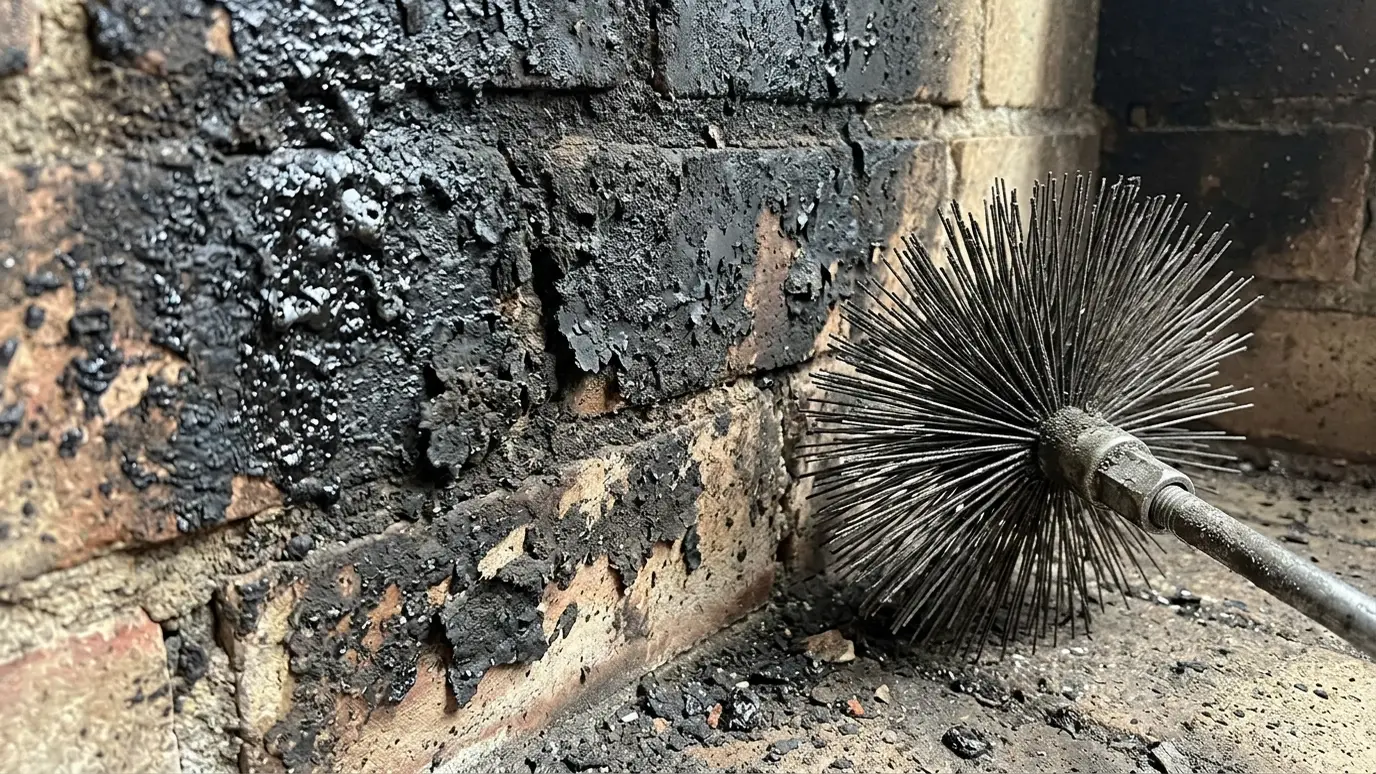 Material guideCreosote and SootCreosote and soot are the byproducts of every fire. Here is what they are and why they matter.Learn more
Enter the size of a fireplace opening or pick a stove to see the flue size and liner to plan for.
You tell us about the chimney, fireplace or stove and what you have noticed, and we set a visit that fits your day.
We look closely at the chimney, inside and out, ask how you use it and take photos of anything of note.
We explain what is urgent, what can wait and what is optional, and give you a written scope and options.
We lay drop cloths, seal the firebox and protect the roof and landscaping before any work begins.
We sweep, repair or install with the right tools and materials, checking our work as we go.
We clean up, show you what we did, share tips and set a reminder for your next visit.
A liner is part of a safe chimney. Some older chimneys lack one, and a camera inspection tells you what you have.
Clay flue tile is one kind of liner. Others include stainless steel and cast-in-place cement.
Usually yes. The liner should match the appliance in size and be connected all the way up.
A typical retrofit liner is installed in a day.
It protects both your chimney and your home, and it improves how a stove or insert performs.
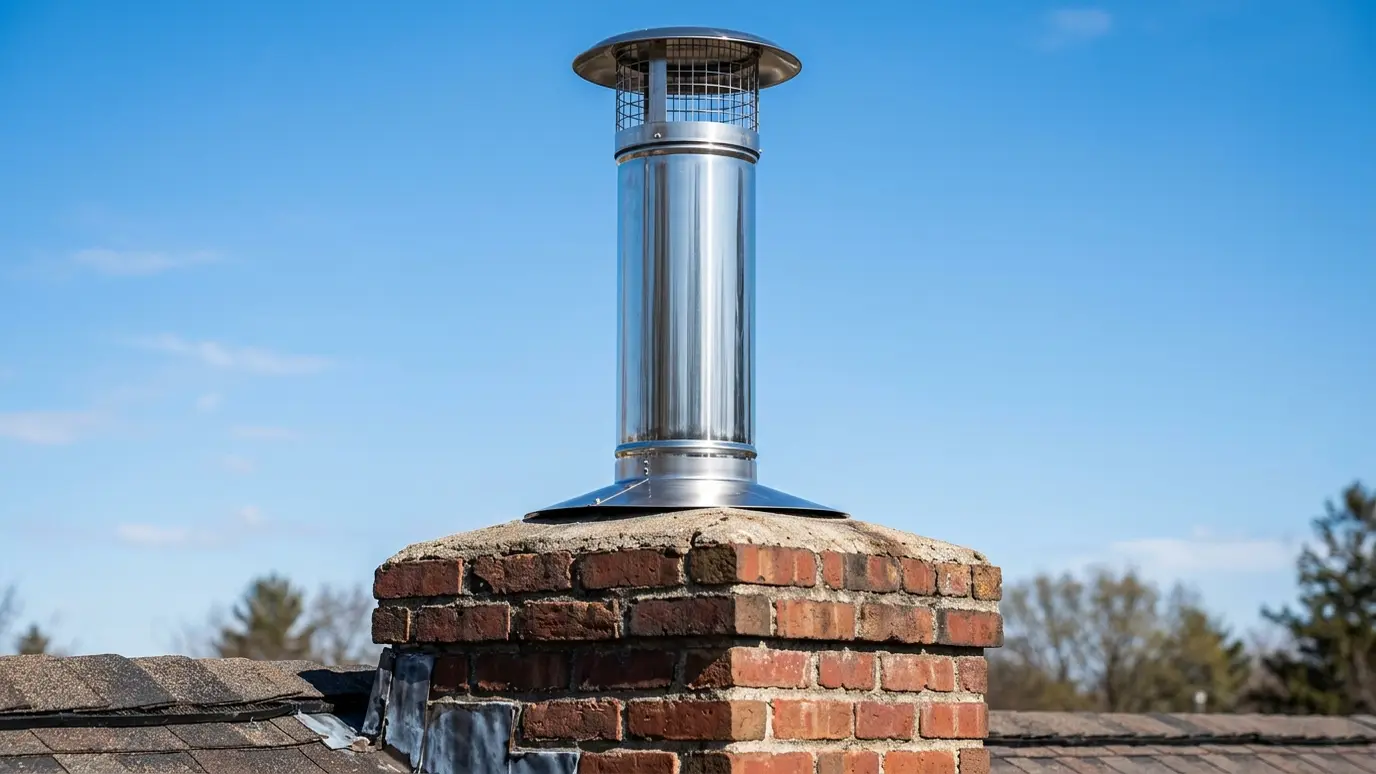 Stainless Steel Chimney ReliningA stainless steel liner replaces a cracked or missing flue lining and is the most common way to…Explore
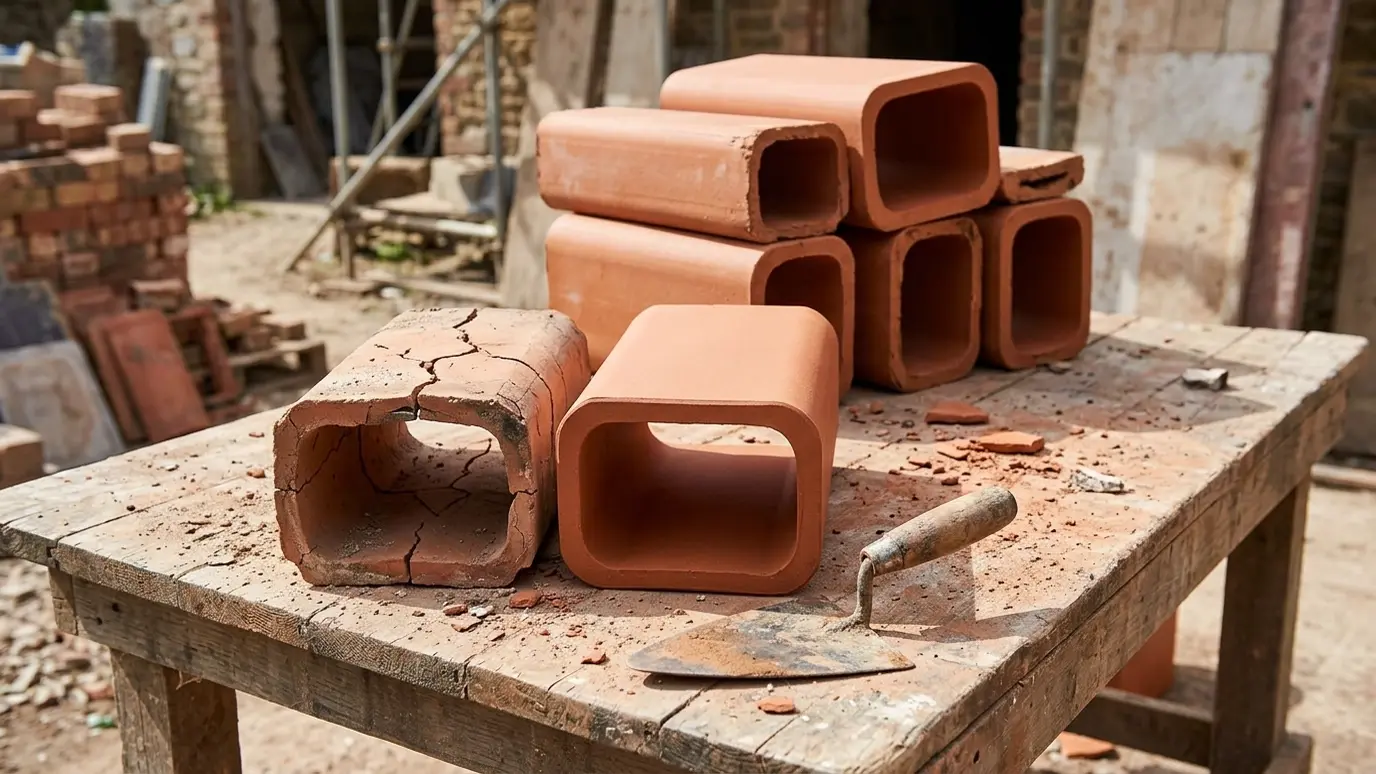 Clay Flue Tile RepairCracked or loose clay flue tiles are repaired or replaced so the flue is sealed and the chimney…Explore
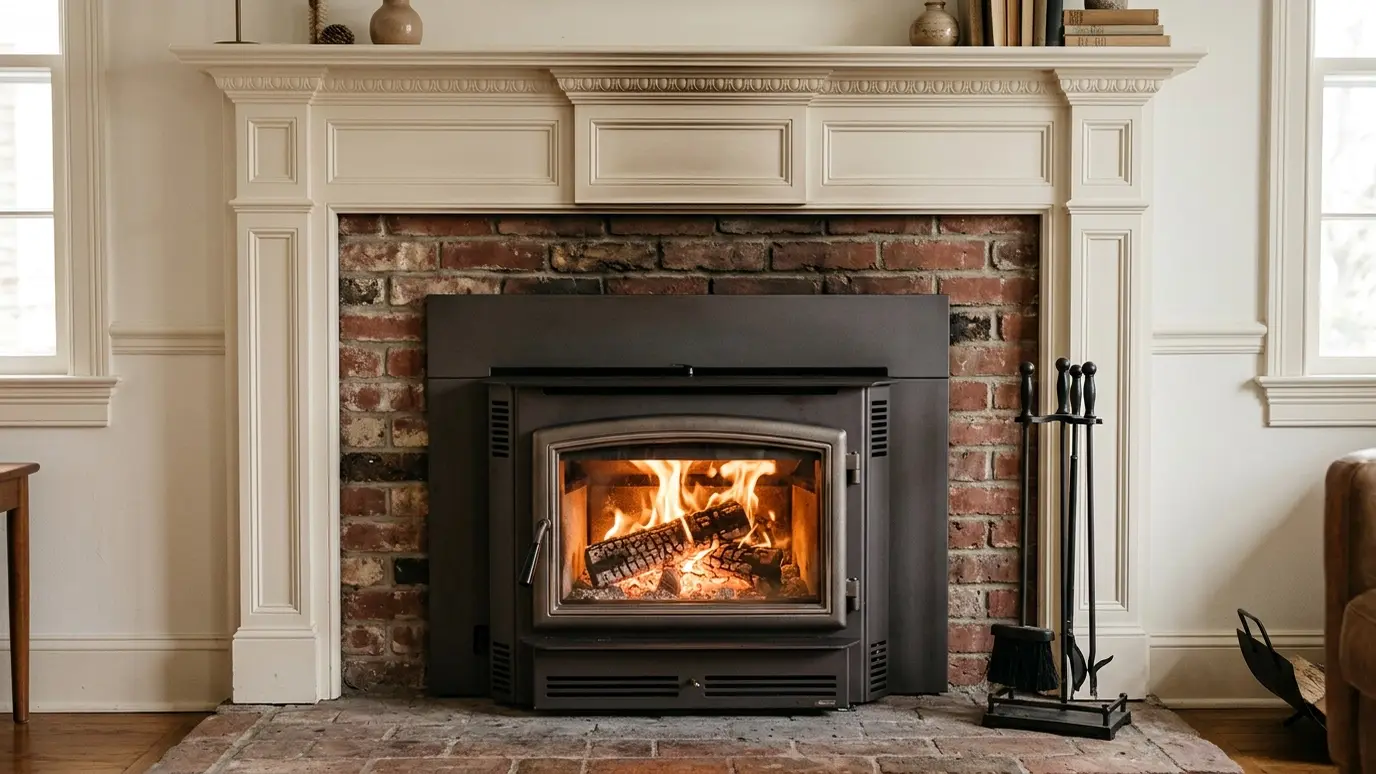 Fireplace Insert InstallationA steel or cast iron insert turns a drafty open fireplace into an efficient heater, with a liner…Explore
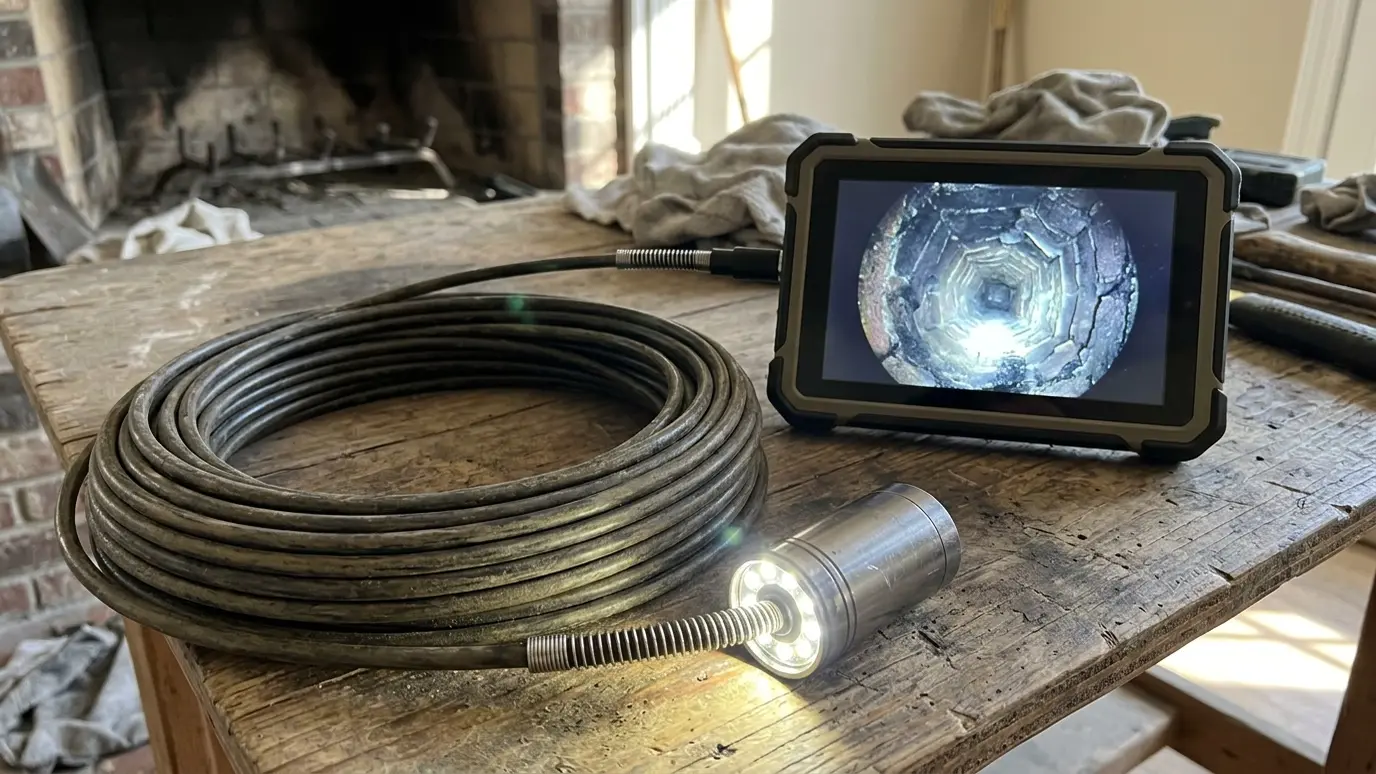 Chimney Camera InspectionA small camera is run through the flue so we can see cracks, gaps and buildup that a…Explore
Tell us about the project and we will call you back to talk it through.
Or call (615) 357-7797 to talk now.