A fireplace that smokes, a stove that will not draw or a chimney that pulls cold air down gets a careful diagnosis and a clear fix.
Smoke in the room is the most common chimney complaint and one of the hardest to solve by guessing. The cause can be a closed damper, a blocked flue, a cap clogged with soot, a flue that is too big or too small, a chimney that is too short, a house that is too tight or even a neighbor tree or a new roof line. Each needs a different fix, and the wrong one wastes money.
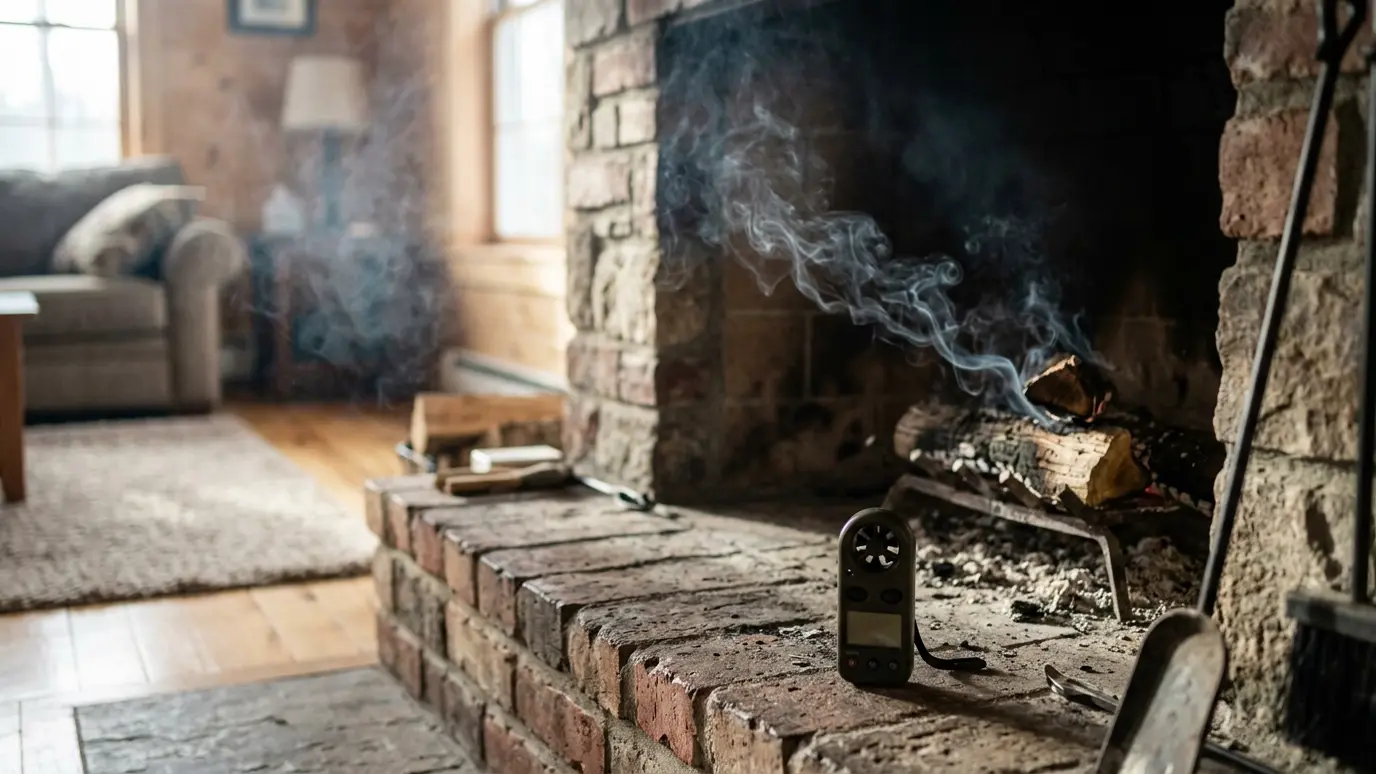
We diagnose first. We ask when and how the problem happens, then check the flue, the damper, the smoke chamber, the cap and the chimney height, and look at how the house breathes. We test the draft, sometimes with a camera or an airflow meter, and explain what we found. Then we recommend the simplest fix that will work and tell you what to expect.
Does it smoke at start-up or all the time? In windy weather? When the furnace runs? The pattern tells us a great deal about the cause.
The damper, smoke chamber, flue size and condition, the cap and crown, the chimney height above the roof and nearby trees or roof lines that disturb the wind.
Tight, modern houses with exhaust fans and dryers can pull air down the chimney. We look at how the house breathes and suggest ways to give the fire air.
The fix may be cleaning, a new damper or cap, parging the smoke chamber, a liner, a taller chimney or a simple change in how you light the fire.
Fix the cause.
Real measurements.
Tight homes need air.
See the flue.
Save money.
Know what to expect.
Every topic has its own page with what to expect and how we approach it.
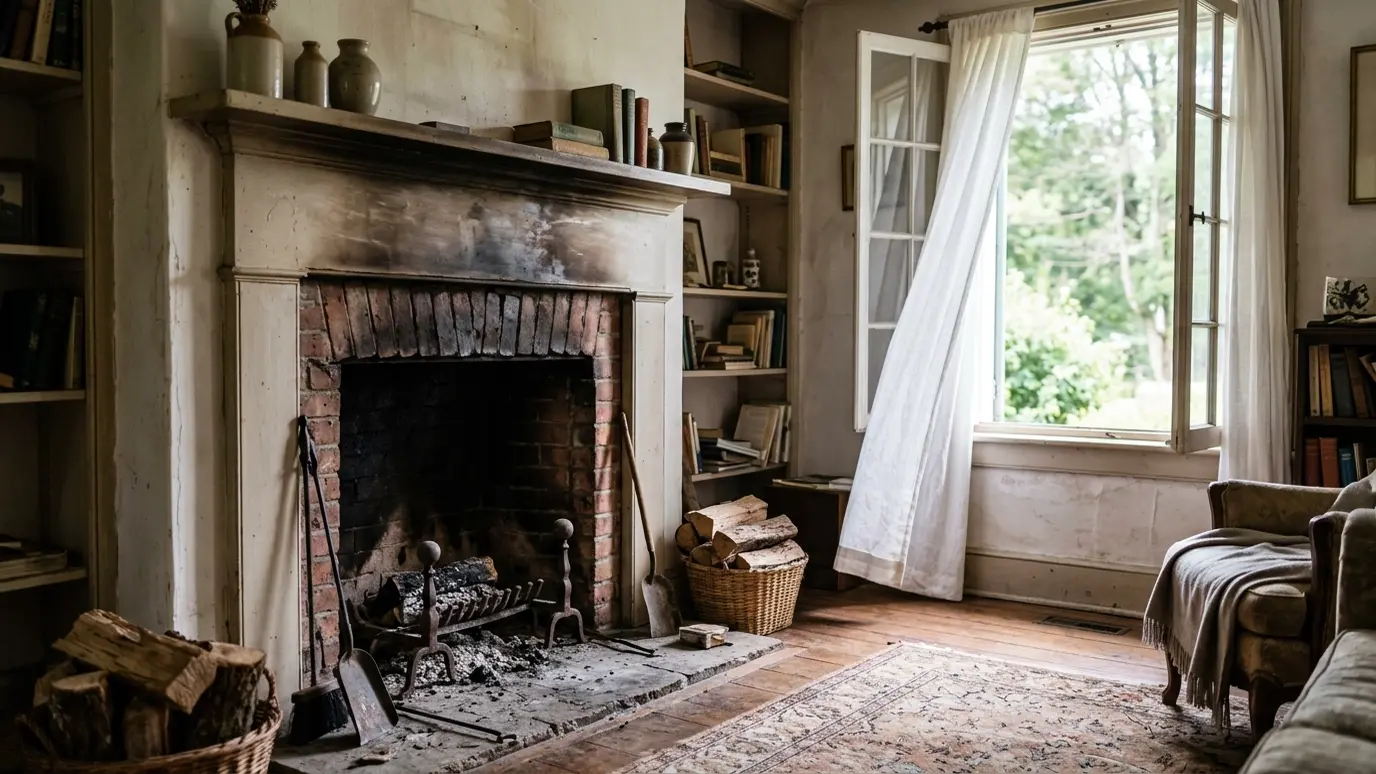 Project situationSmoke and Odor ProblemsSmoke in the room or a smoky smell in summer both have causes. Here is how we find…Learn more
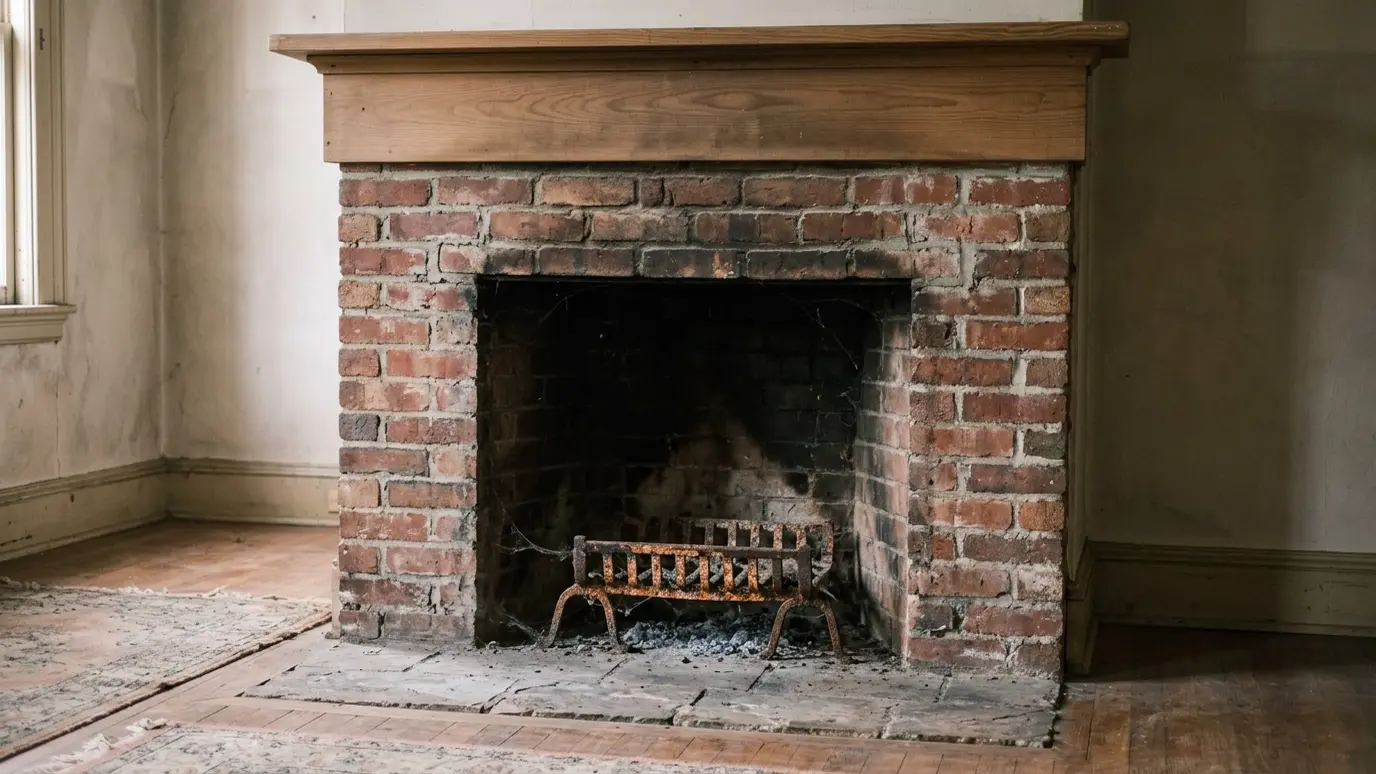 Project situationUnused FireplacesA fireplace that sat cold for years can heat the home again. Here are the steps and the…Learn more
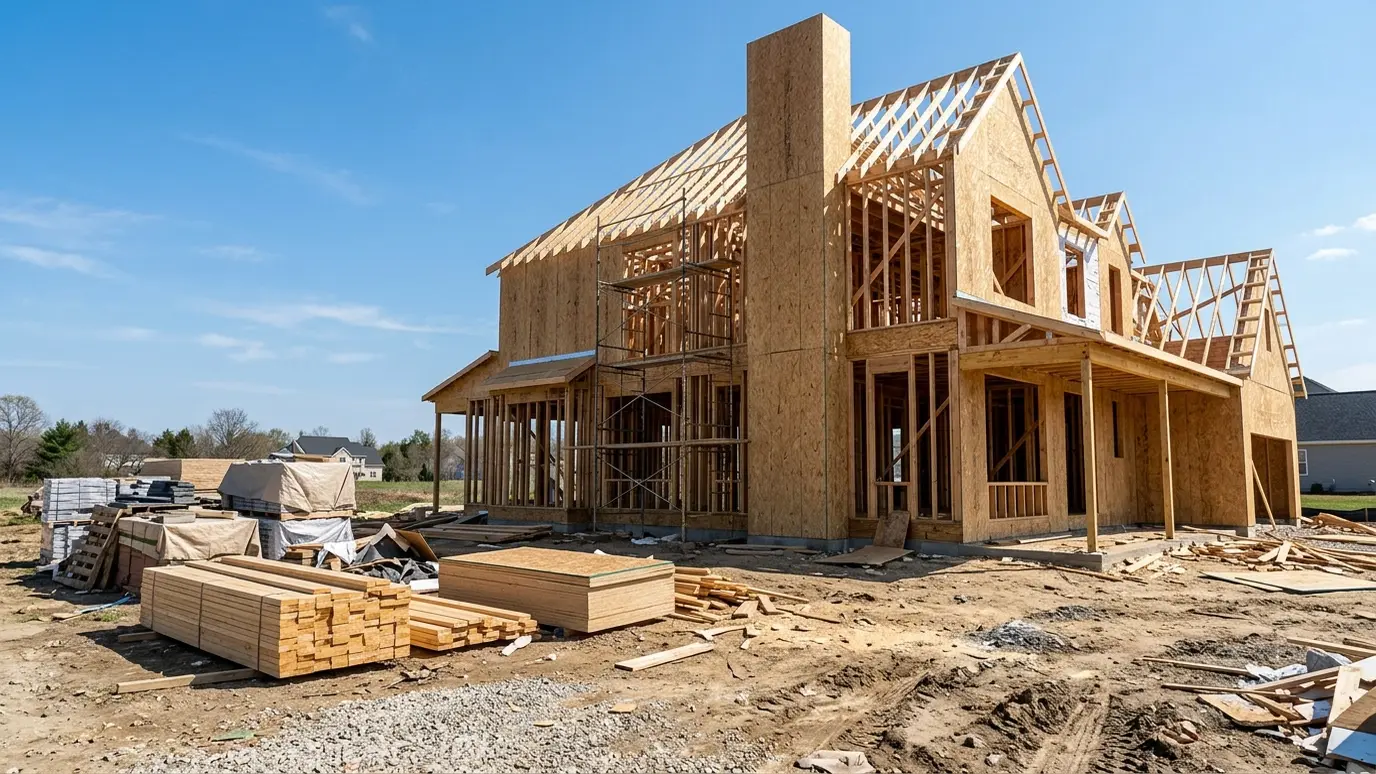 Project situationNew Construction and AdditionsNew homes and additions need chimneys built to draw well and meet the rules. Here is how we…Learn more
Enter the size of a fireplace opening or pick a stove to see the flue size and liner to plan for.
You tell us about the chimney, fireplace or stove and what you have noticed, and we set a visit that fits your day.
We look closely at the chimney, inside and out, ask how you use it and take photos of anything of note.
We explain what is urgent, what can wait and what is optional, and give you a written scope and options.
We lay drop cloths, seal the firebox and protect the roof and landscaping before any work begins.
We sweep, repair or install with the right tools and materials, checking our work as we go.
We clean up, show you what we did, share tips and set a reminder for your next visit.
Closed damper, cold flue, blockage, wrong flue size, a short chimney or house pressure are common causes.
Wind swirls around trees and roof lines and can push smoke down. A taller or better-capped chimney may help.
Yes. Exhaust fans and tight houses can pull air down the flue.
Usually not. Flue size must match the fireplace or stove.
Smoke and carbon monoxide are health hazards. Stop using the fireplace and ventilate until it is fixed.
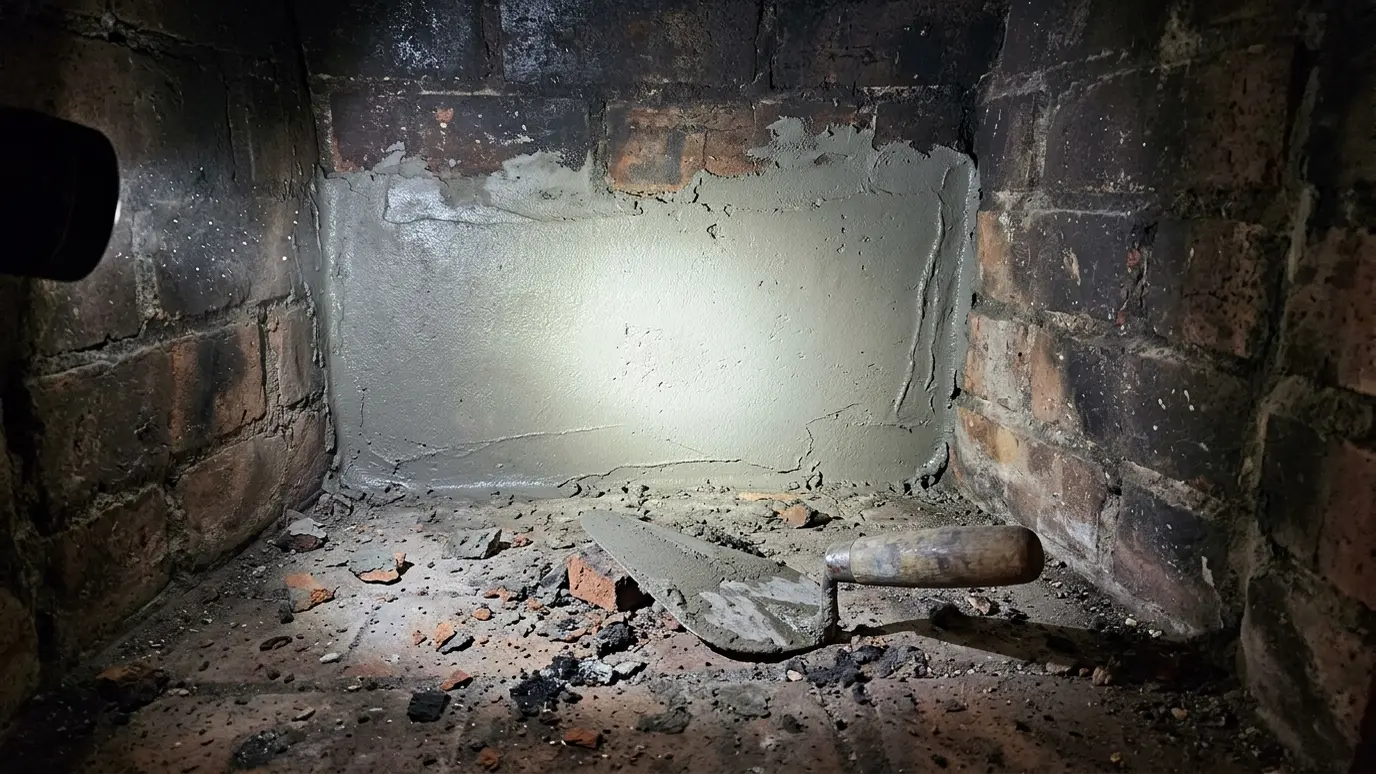 Smoke Chamber PargingThe funnel above the firebox is smoothed with a heat-rated coating, so smoke flows upward and heat stays…Explore
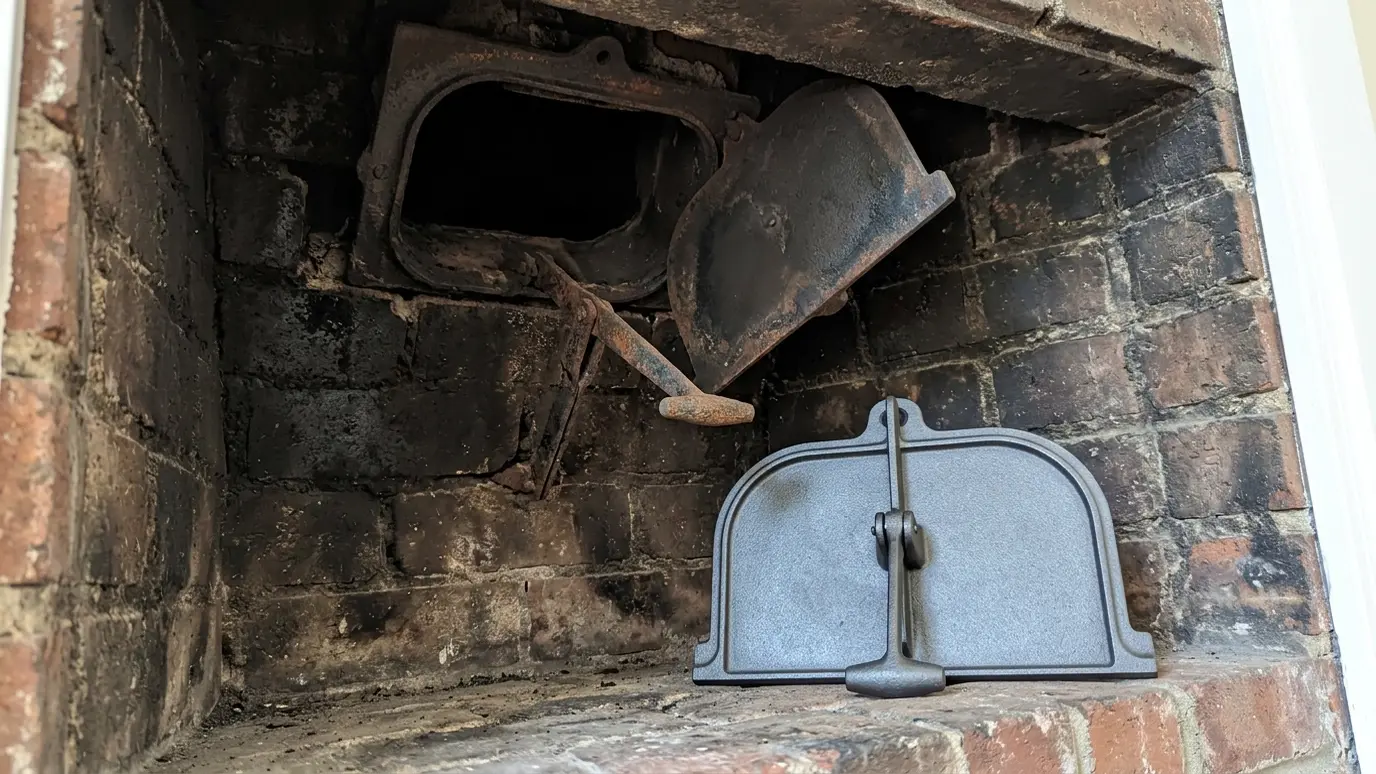 Damper Repair and ReplacementStuck, warped or rusted dampers repaired or replaced, so the flue closes tightly and opens fully when you…Explore
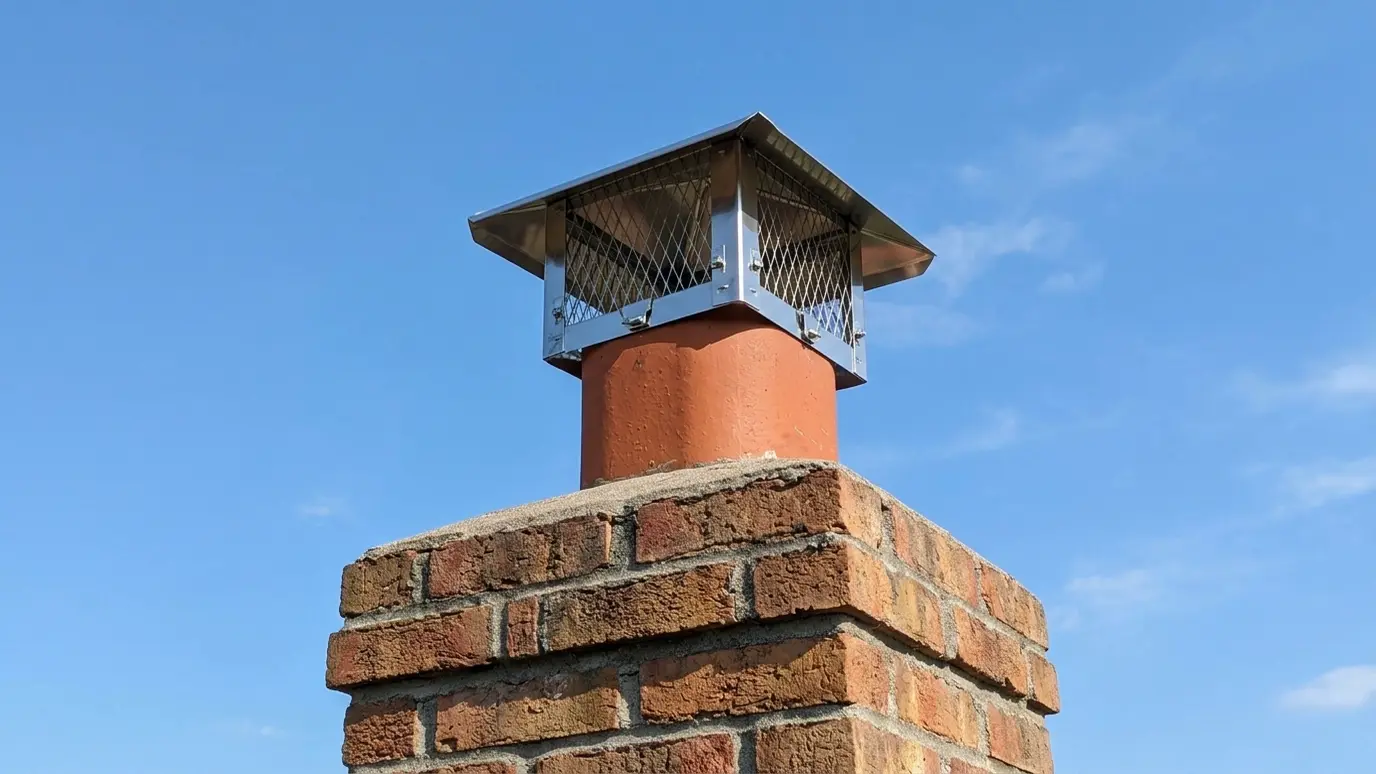 Chimney Cap InstallationA well-fitted cap with mesh screening that keeps out rain, animals, leaves and sparks while letting smoke escape…Explore
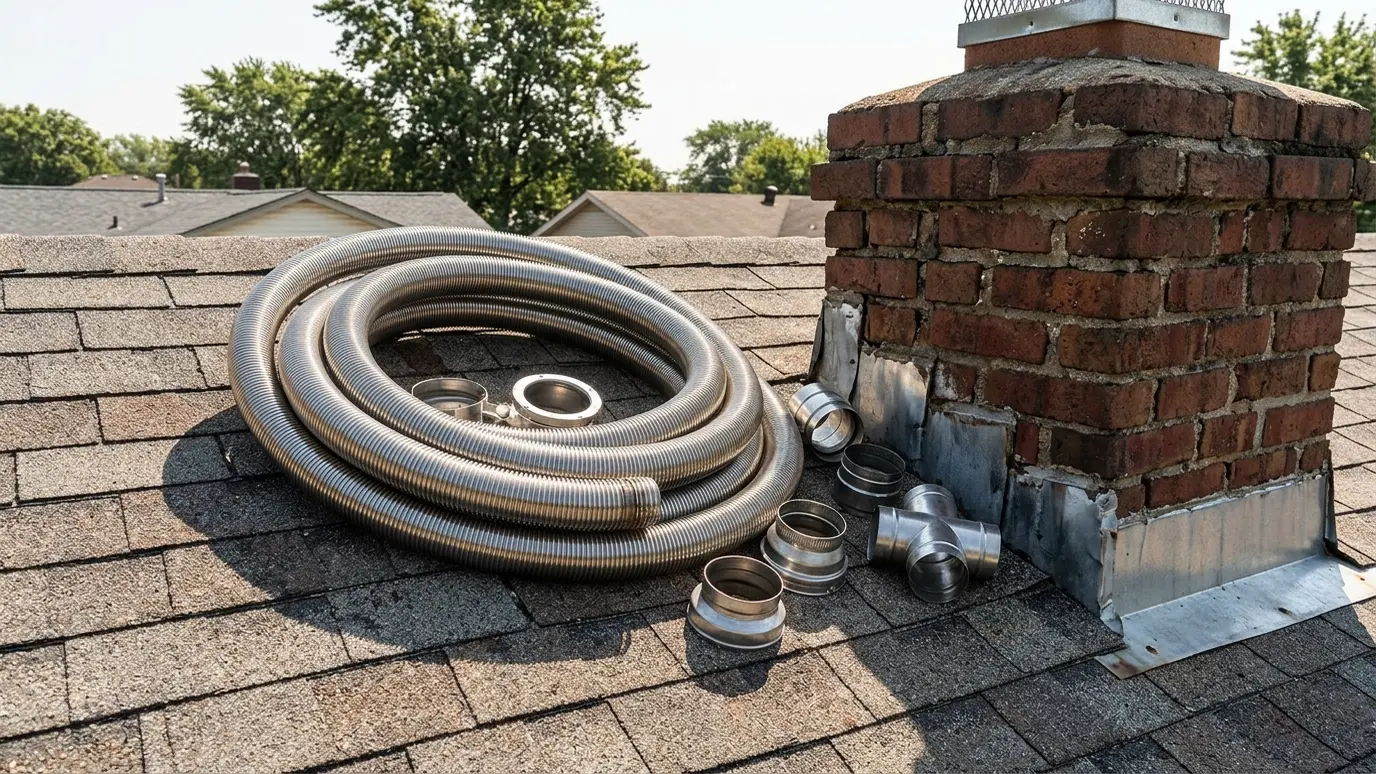 Chimney Liner InstallationA properly sized liner gives smoke a safe, sealed path up the chimney and protects the masonry from…Explore
Tell us about the project and we will call you back to talk it through.
Or call (615) 357-7797 to talk now.