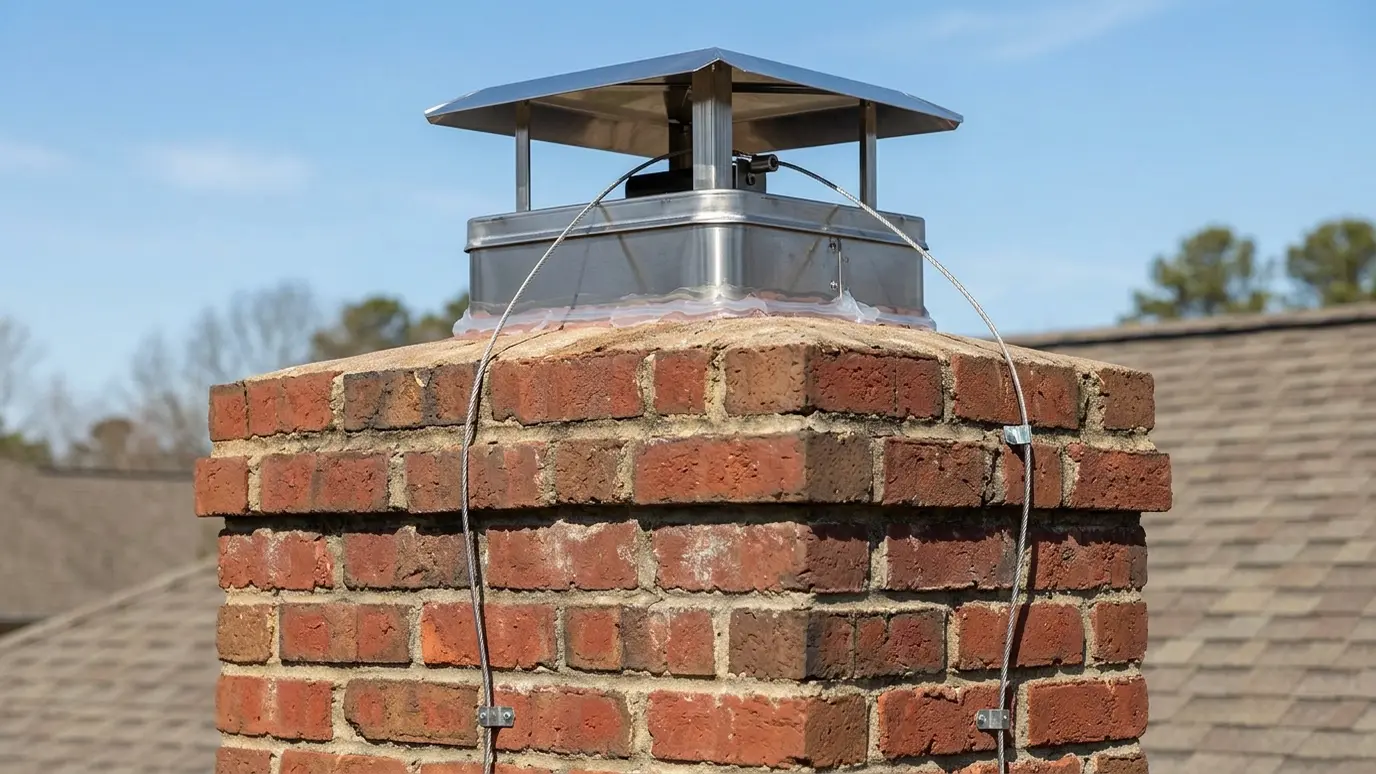
A silicone-sealed damper at the top of the flue stops drafts, moisture and animals, and it doubles as a cap.
A standard damper sits low in the fireplace, a long way from the top of the chimney. Even when it is closed, a lot of air can get past it. A top-sealing damper moves the closure to the very top of the flue, where a silicone gasket seals it tight. The long column of cold air in the chimney is closed off, which makes a difference in comfort and energy use.
It also acts as a cap. When closed, it keeps out rain, leaves, birds and squirrels, and when opened it lets the smoke go straight up. It is operated by a cable or a chain that comes down to the fireplace, so it is as easy to use as an ordinary damper. Many homeowners add one when they replace a rusted damper.
A spring-loaded lid at the top of the flue closes against a silicone gasket. A stainless cable connects it to a handle in the fireplace.
A tighter seal means fewer drafts, less odor drifting down and less moisture reaching the firebox and damper. It also keeps animals out.
It must be open before every fire. A reminder tag on the handle helps, and we show you how to use it. A closed damper traps smoke inside.
Sizes are matched to the flue. Installation includes the cable run, the mounting plate and a check of the operation.
A real draft stopper.
Rain and animals out.
Comfort and savings.
Less humid air drift.
Simple to operate.
Measured and checked.
Every topic has its own page with what to expect and how we approach it.
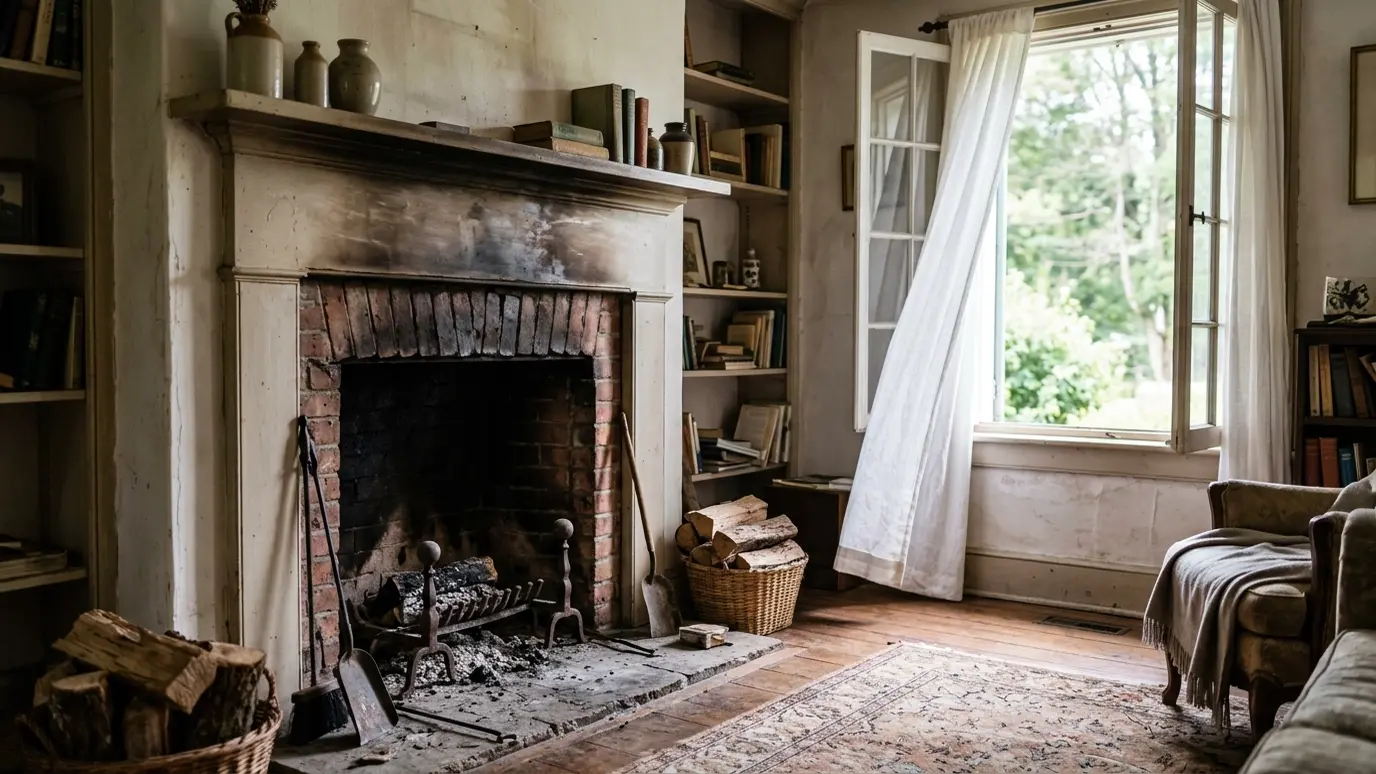 Project situationSmoke and Odor ProblemsSmoke in the room or a smoky smell in summer both have causes. Here is how we find…Learn more
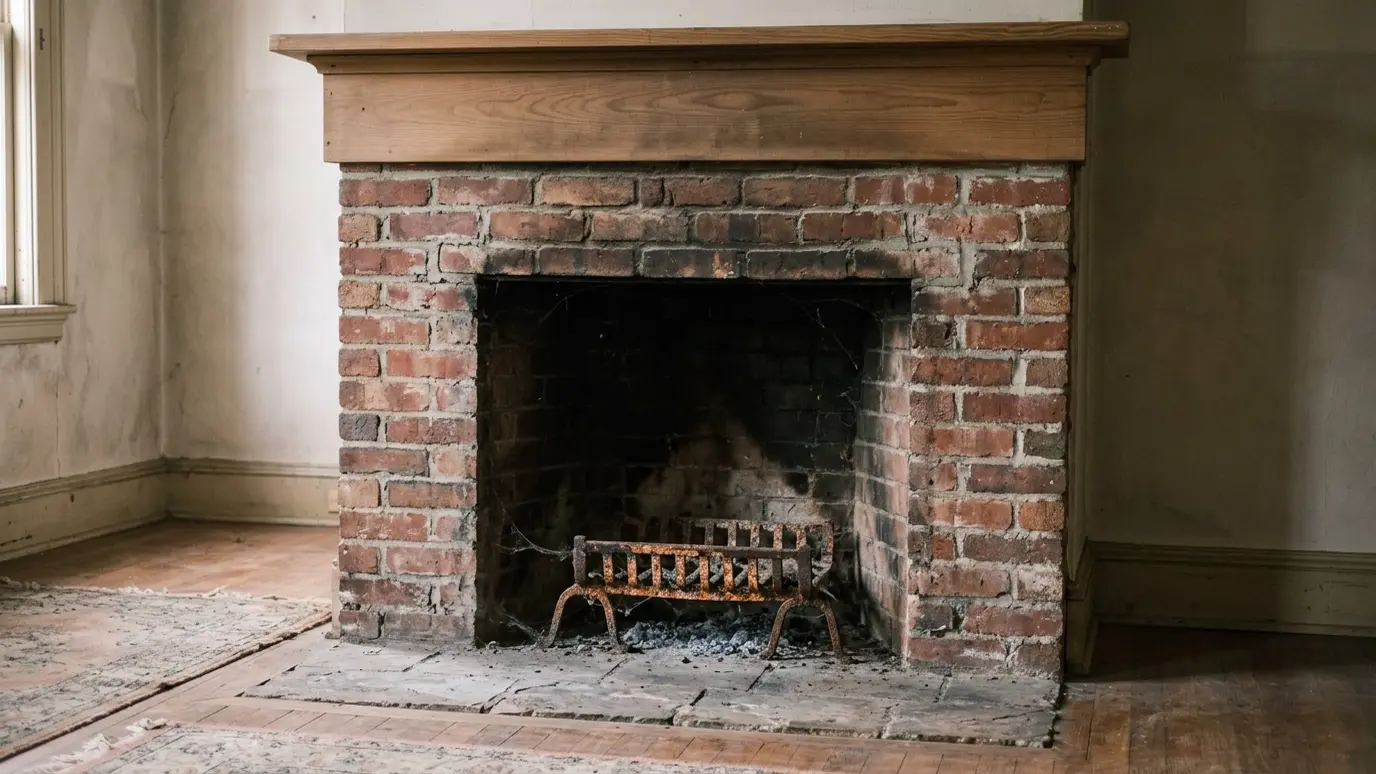 Project situationUnused FireplacesA fireplace that sat cold for years can heat the home again. Here are the steps and the…Learn more
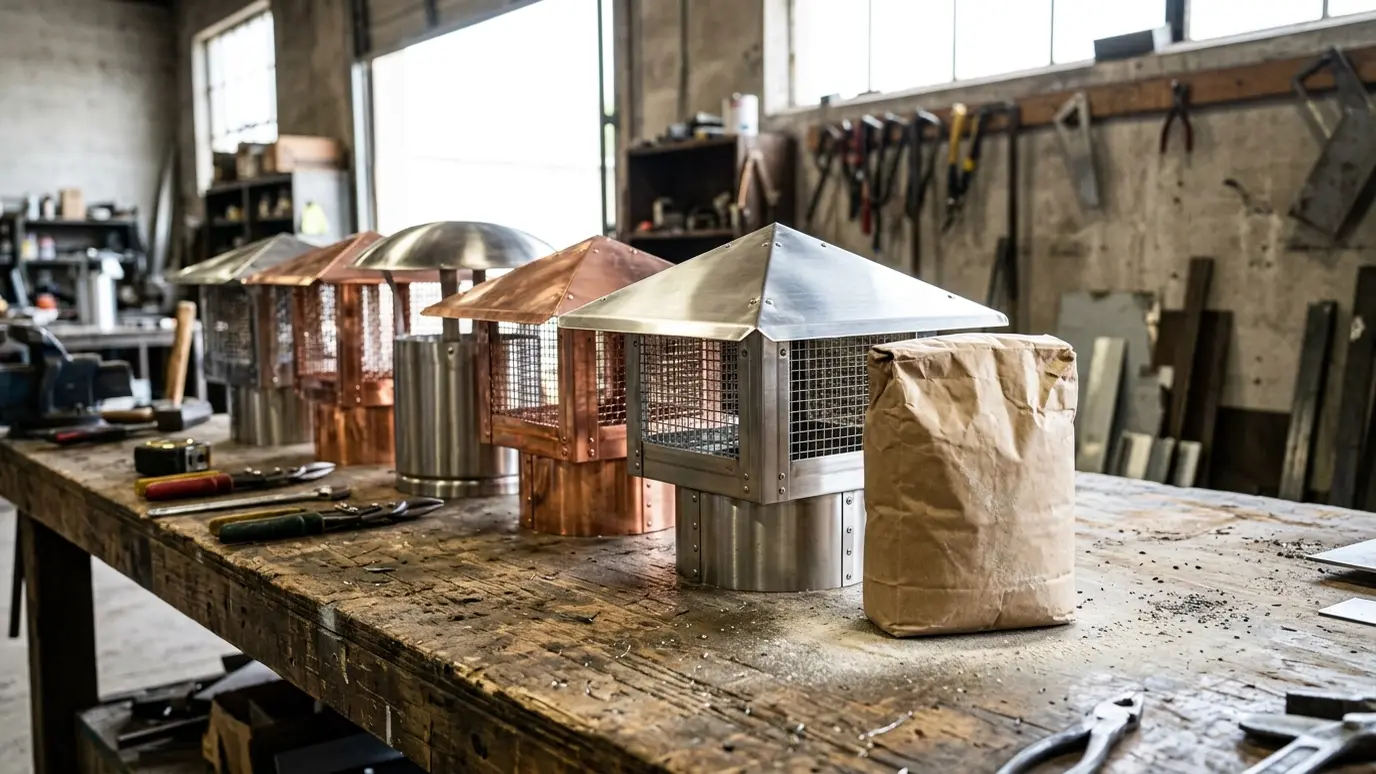 Material guideCaps and CrownsCaps and crowns are the hat and the roof of your chimney. Here is what they do and…Learn more
Pick what you see or smell to learn what it may mean and how urgent it is.
You tell us about the chimney, fireplace or stove and what you have noticed, and we set a visit that fits your day.
We look closely at the chimney, inside and out, ask how you use it and take photos of anything of note.
We explain what is urgent, what can wait and what is optional, and give you a written scope and options.
We lay drop cloths, seal the firebox and protect the roof and landscaping before any work begins.
We sweep, repair or install with the right tools and materials, checking our work as we go.
We clean up, show you what we did, share tips and set a reminder for your next visit.
For many homes, yes. It cuts drafts and odors and works as a cap.
Yes, always. A closed damper traps smoke in the house.
Usually the damper must stay open with vented gas logs. We explain the rules for your setup.
Quality dampers last many years when kept clean.
Yes, in most cases.
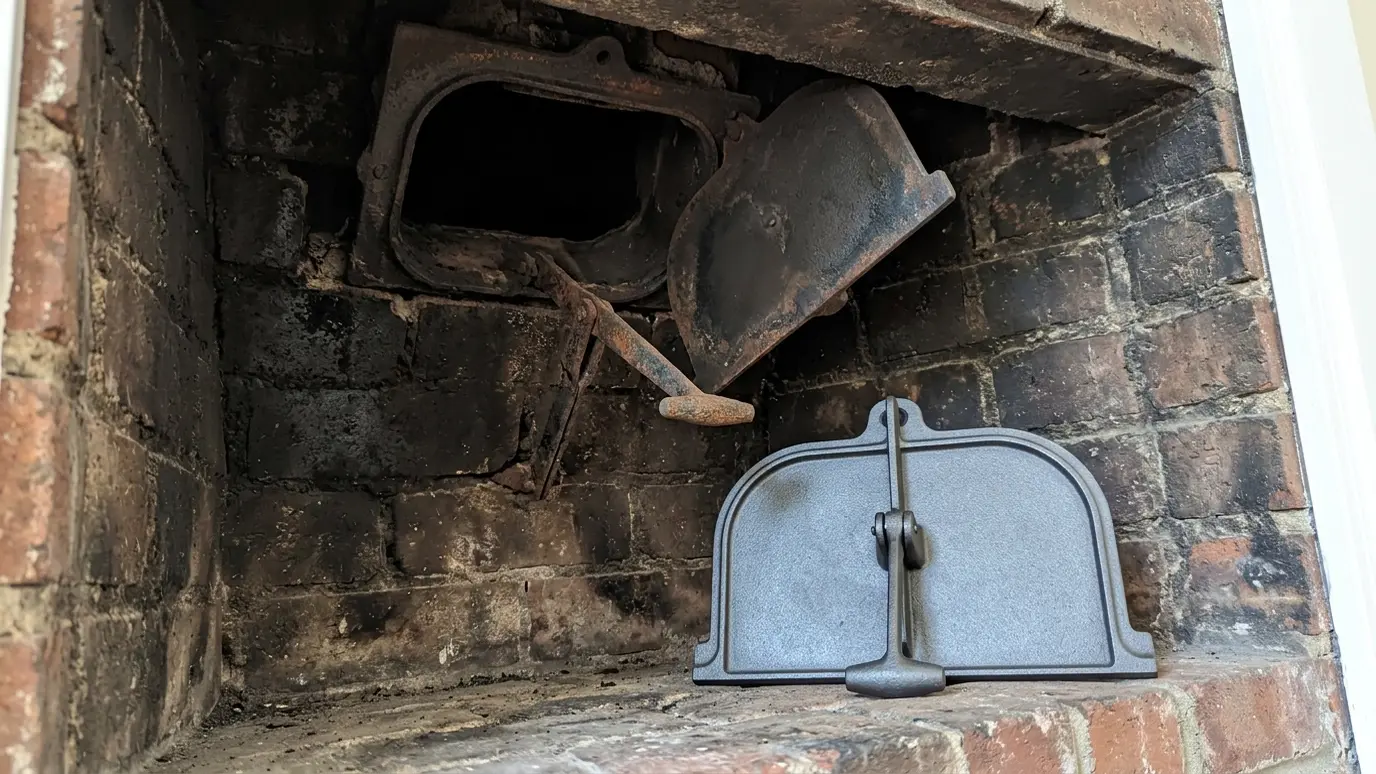 Damper Repair and ReplacementStuck, warped or rusted dampers repaired or replaced, so the flue closes tightly and opens fully when you…Explore
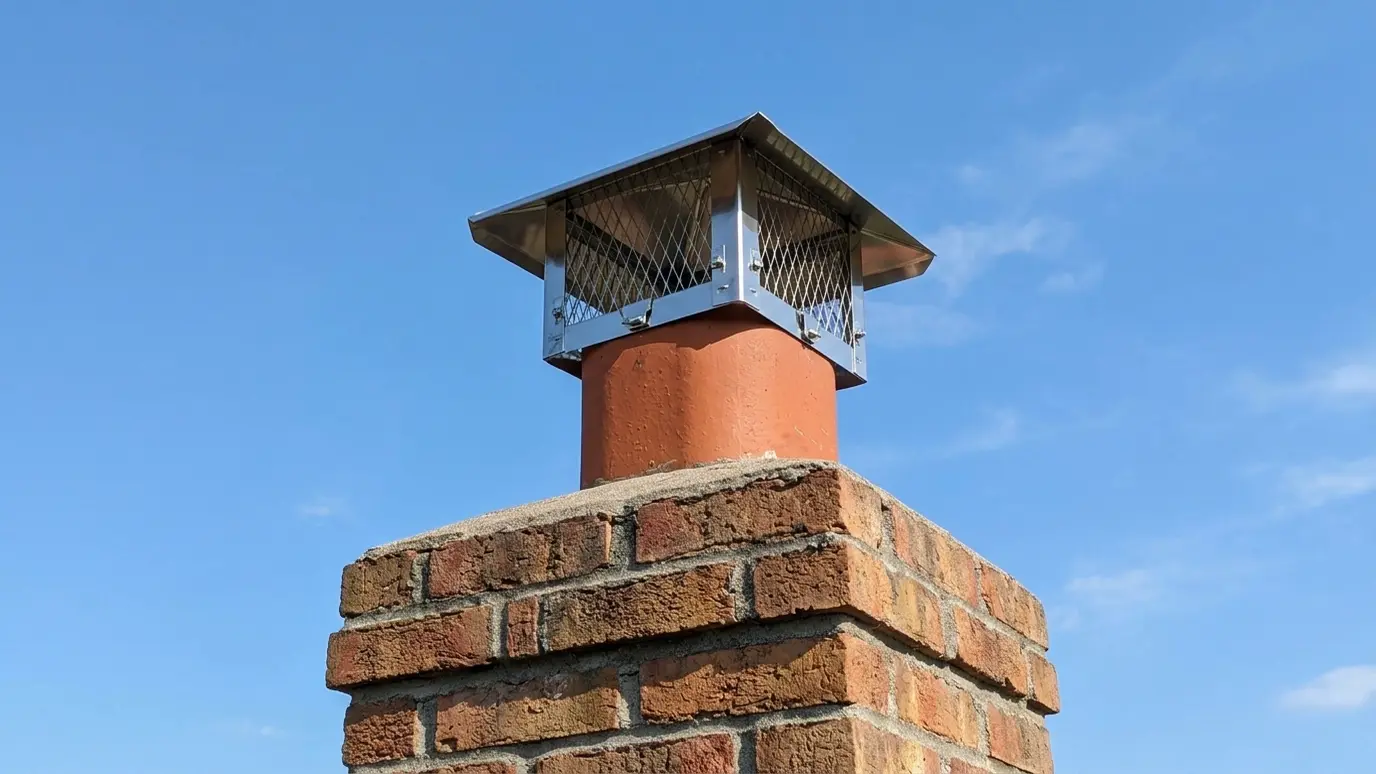 Chimney Cap InstallationA well-fitted cap with mesh screening that keeps out rain, animals, leaves and sparks while letting smoke escape…Explore
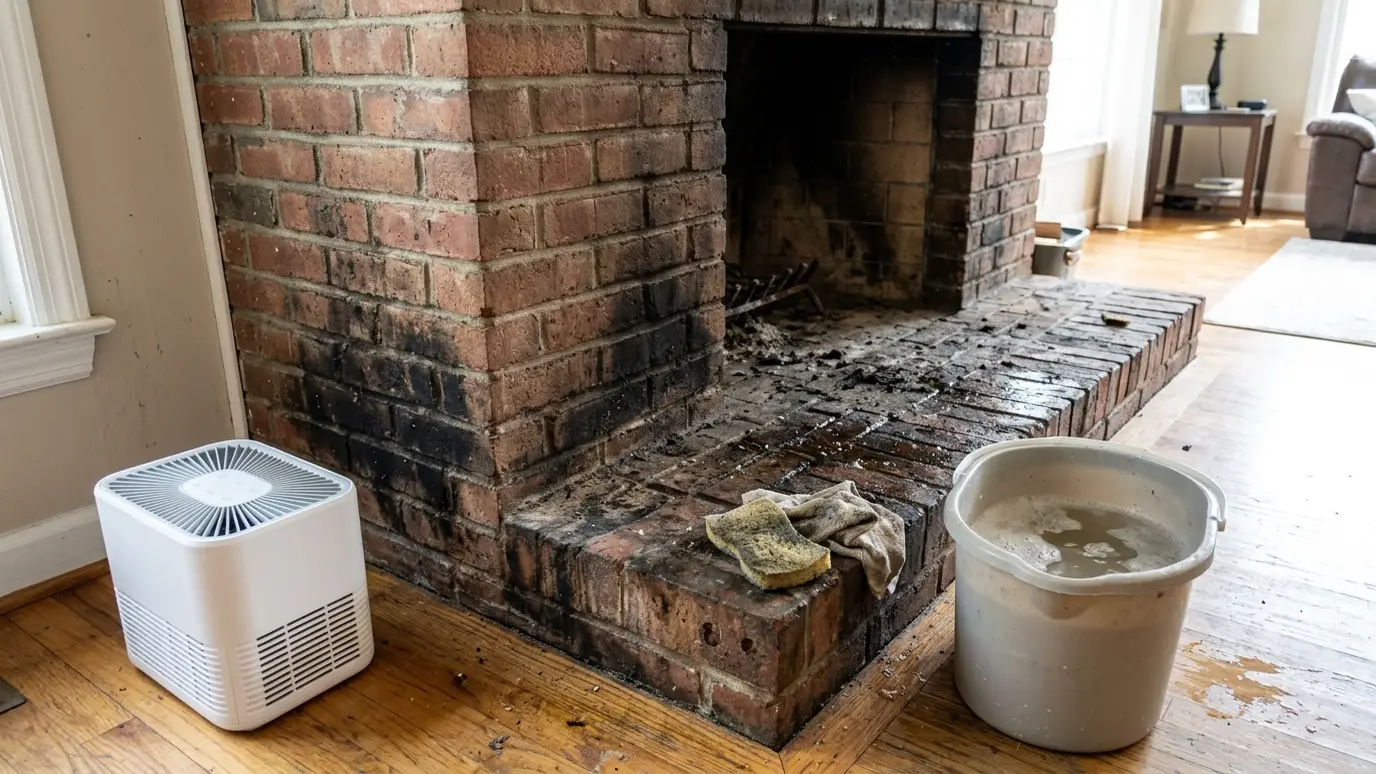 Soot and Odor RemovalSmoky smells and soot stains traced to their source and treated, so the room smells fresh and the…Explore
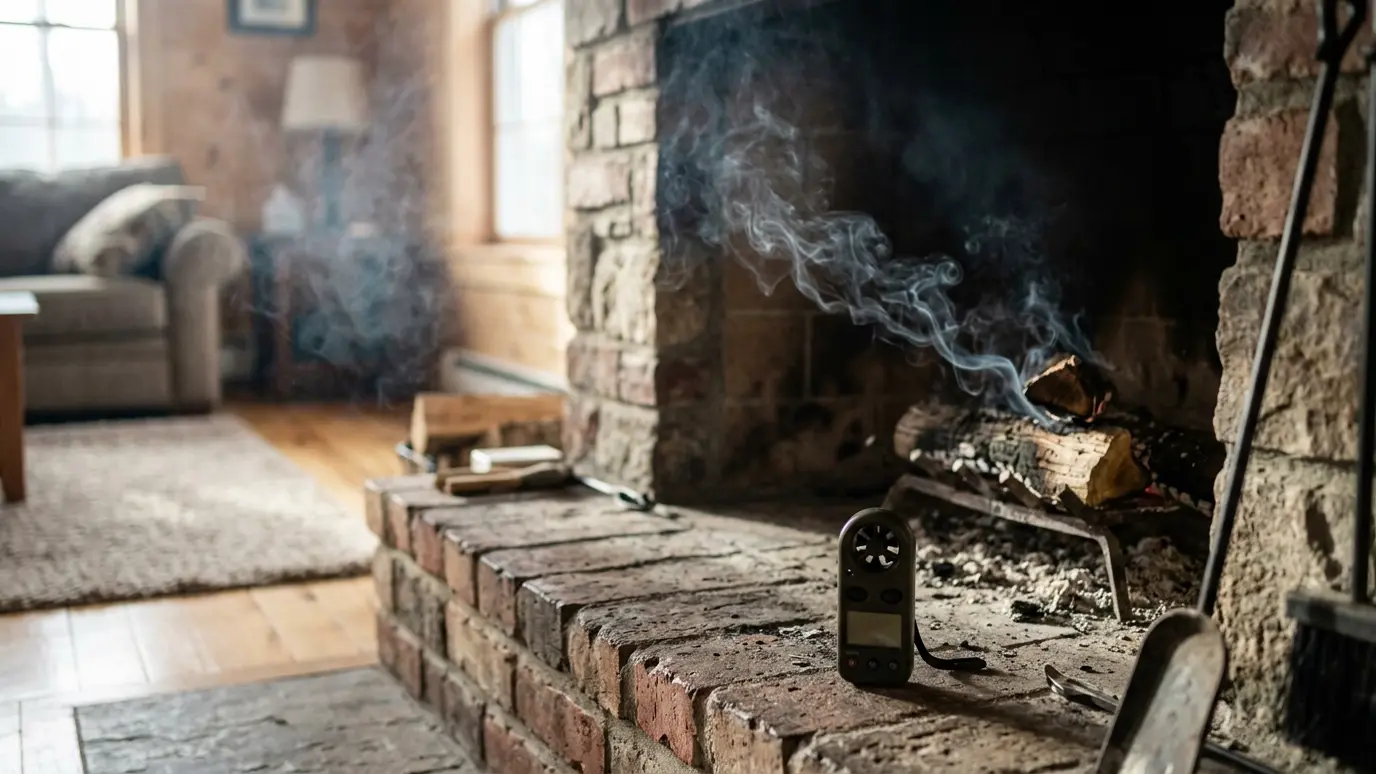 Draft and Smoke DiagnosisA fireplace that smokes, a stove that will not draw or a chimney that pulls cold air down…Explore
Tell us about the project and we will call you back to talk it through.
Or call (615) 357-7797 to talk now.