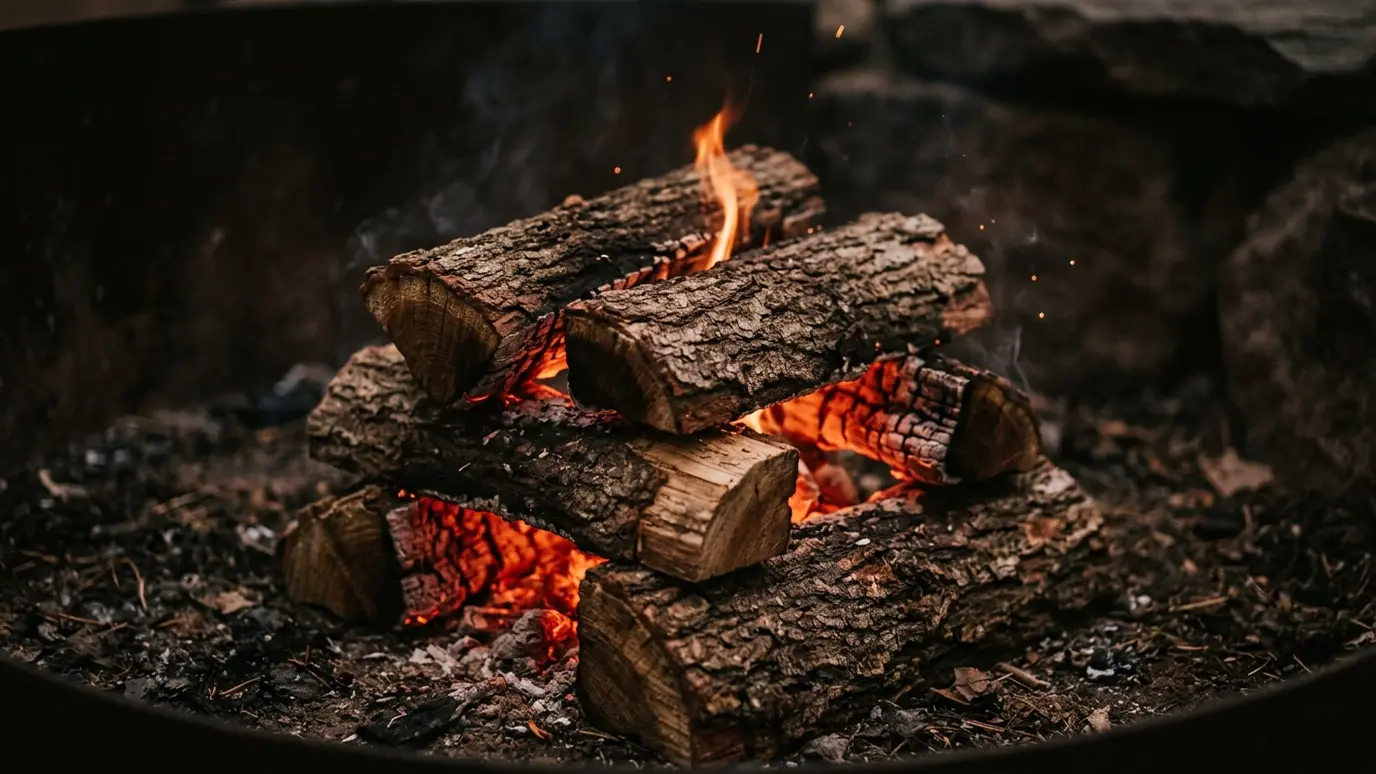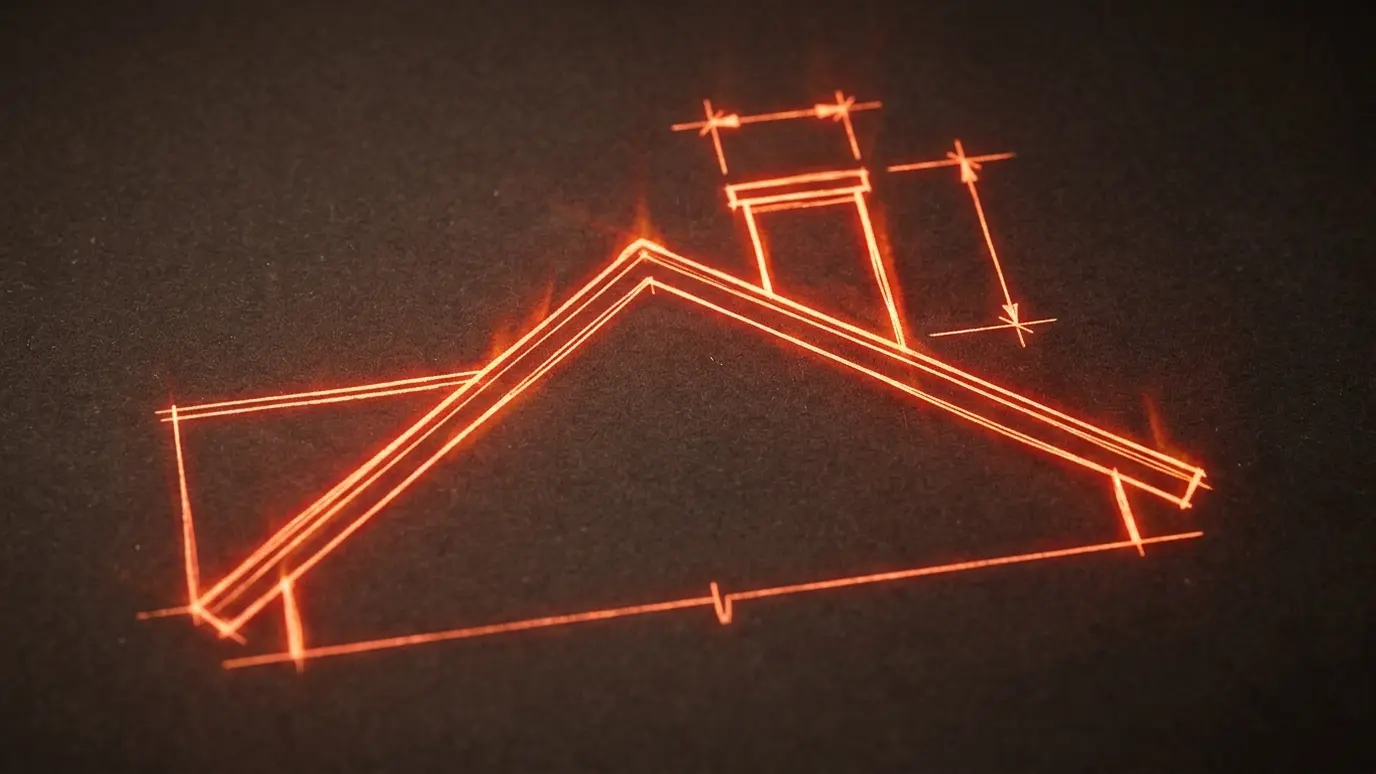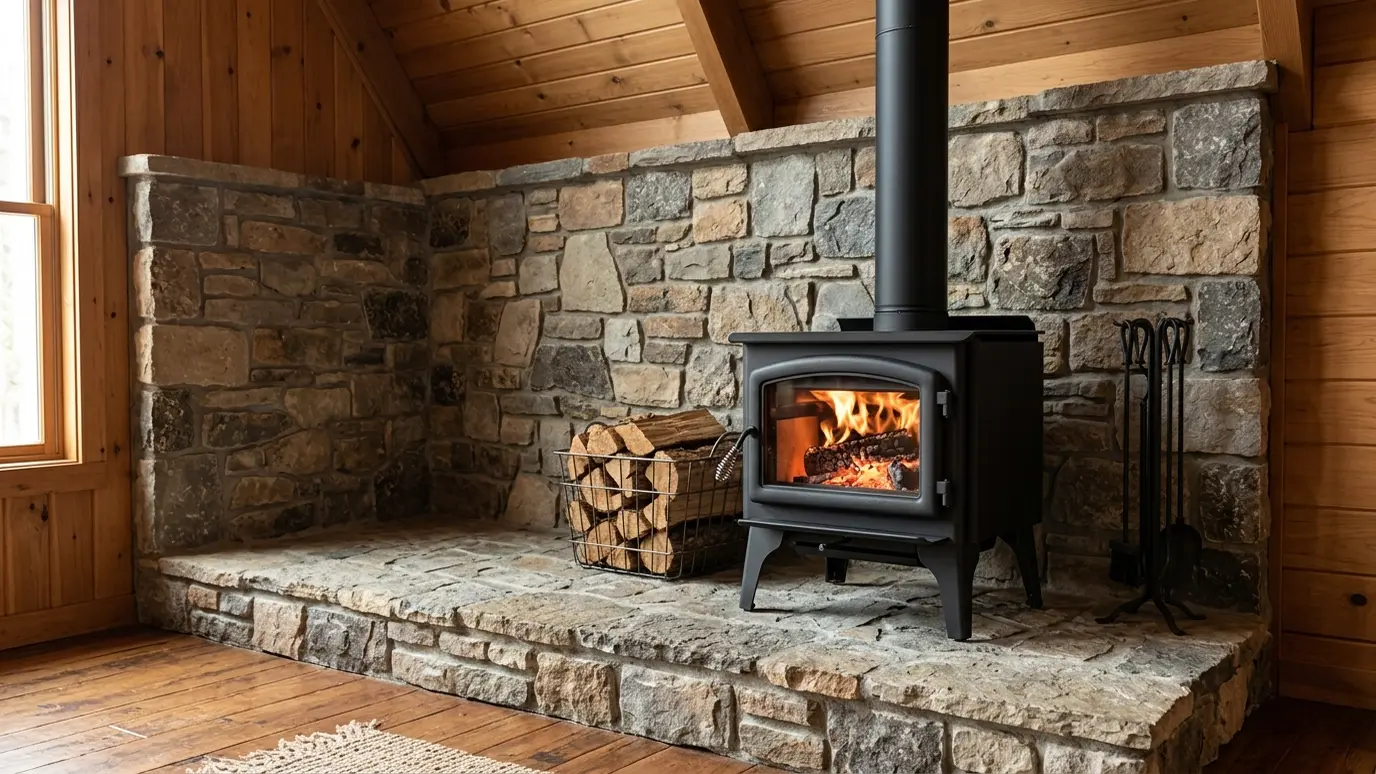
A new wood stove set on a safe hearth with the right pipe, clearances and liner, ready to heat your home with real fire.
A wood stove turns a few logs into steady, even heat that fills a room and keeps going when the power is out. It also makes a very good fire to look at. A stove is only as good as its installation, though. The hearth, the clearances to the walls, the stovepipe and the flue all matter for performance and for safety.
We help you choose a stove for your space and your habits, then install it from the floor to the cap. That means a hearth pad to protect the floor, correct distances from combustible walls, a connector pipe with the right joints and a flue that suits the stove, often a stainless liner. We test the draft and teach you how to light and run the stove cleanly.
Size matters. A stove too large for the room overheats it and smolders to cope, which makes creosote. We help you match output to the space.
A stove needs a non-combustible hearth and set distances from walls and ceilings. We build and measure to those requirements.
The stovepipe connects the stove to the chimney. Straight, short runs with tight joints draw best. In most masonry chimneys, a liner is added.
Many places require a permit, and your insurer may ask about the installation. We help with the paperwork and give you a written description of the work.
Drag the handle to compare.
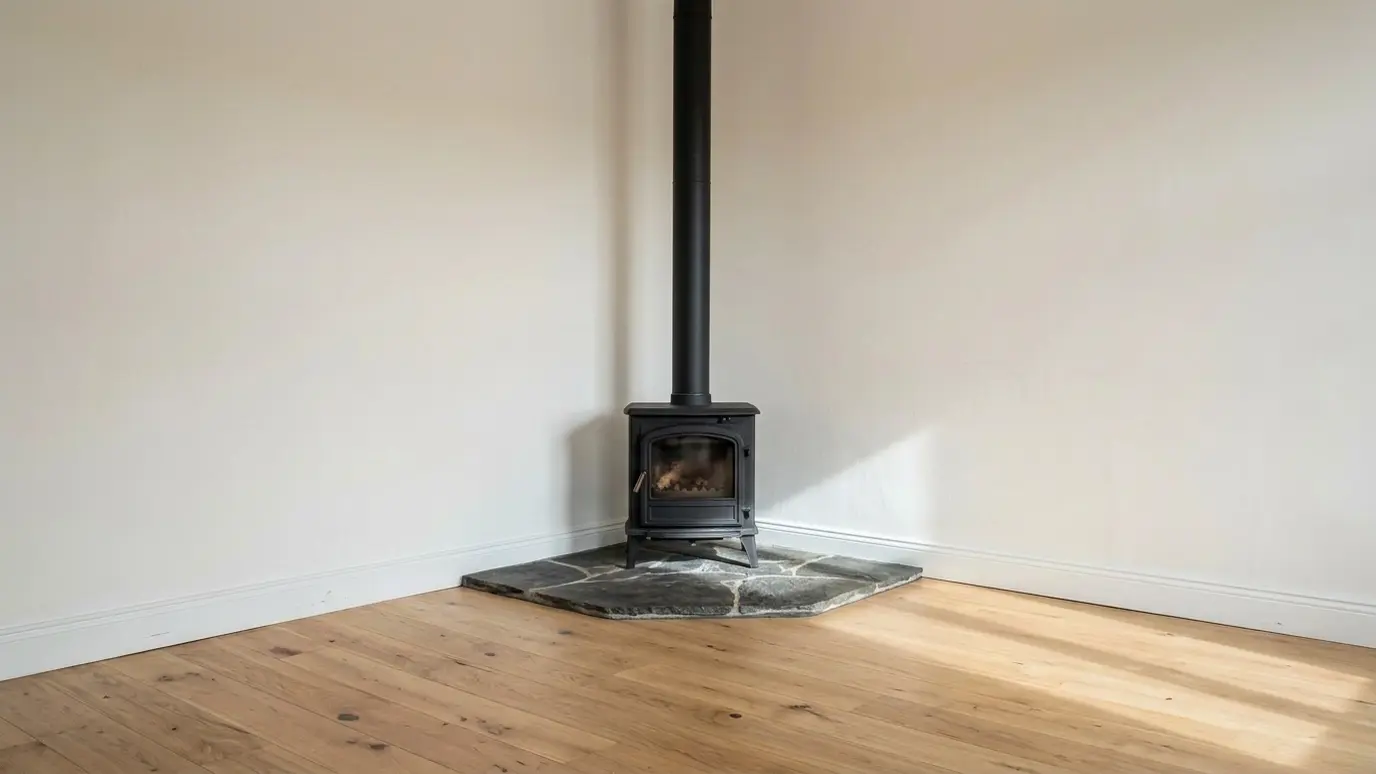
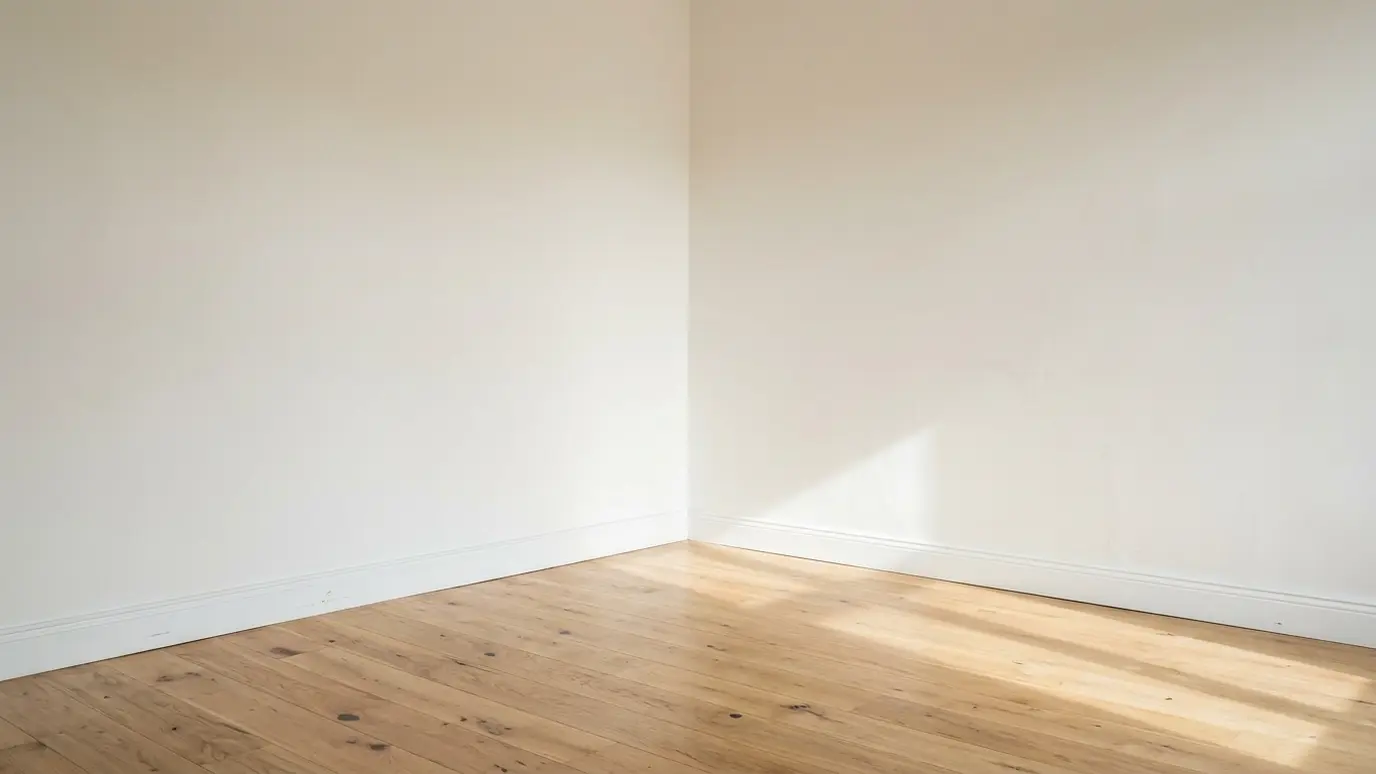 BeforeAfter
Right size for the space.
Built to requirements.
Good draft, less creosote.
Lights easily.
Paperwork made easier.
Cleaner, hotter fires.
Every topic has its own page with what to expect and how we approach it.
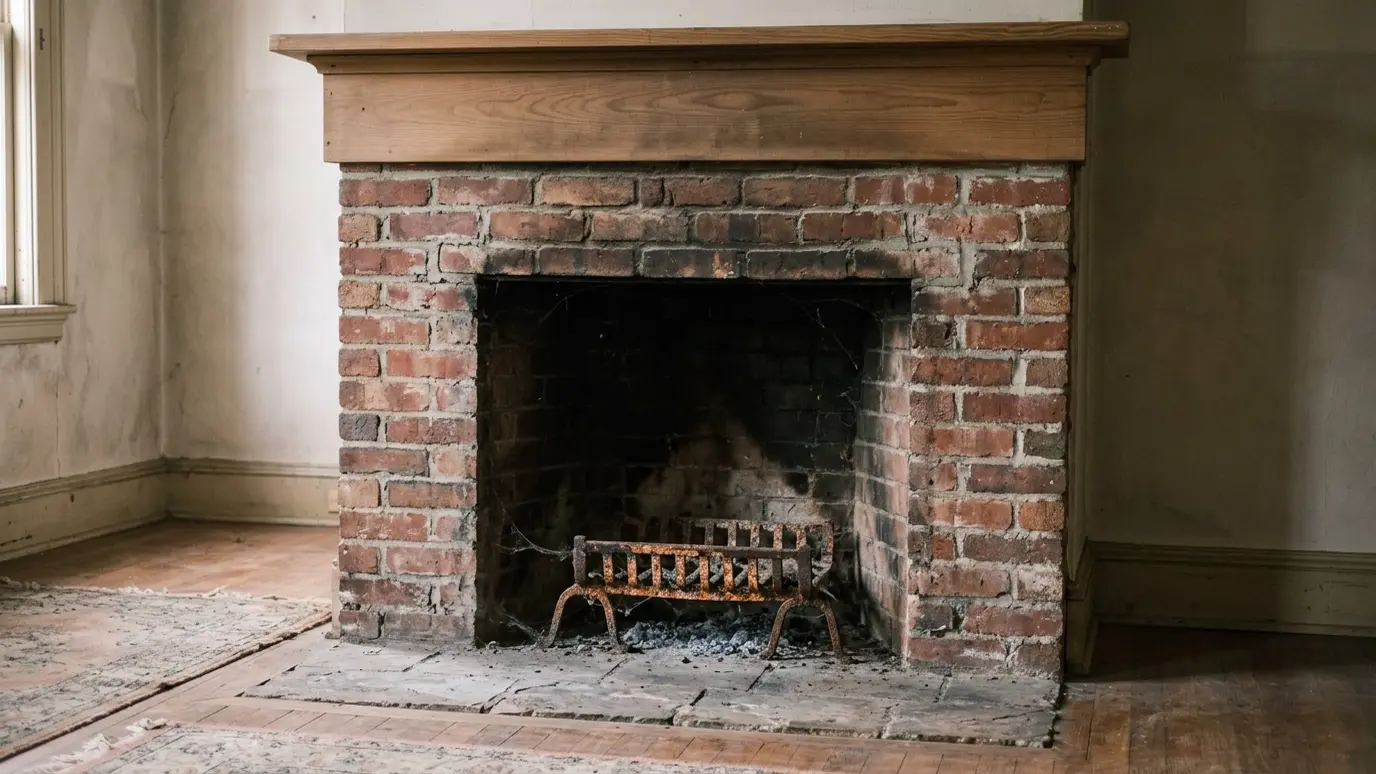 Project situationUnused FireplacesA fireplace that sat cold for years can heat the home again. Here are the steps and the…Learn more
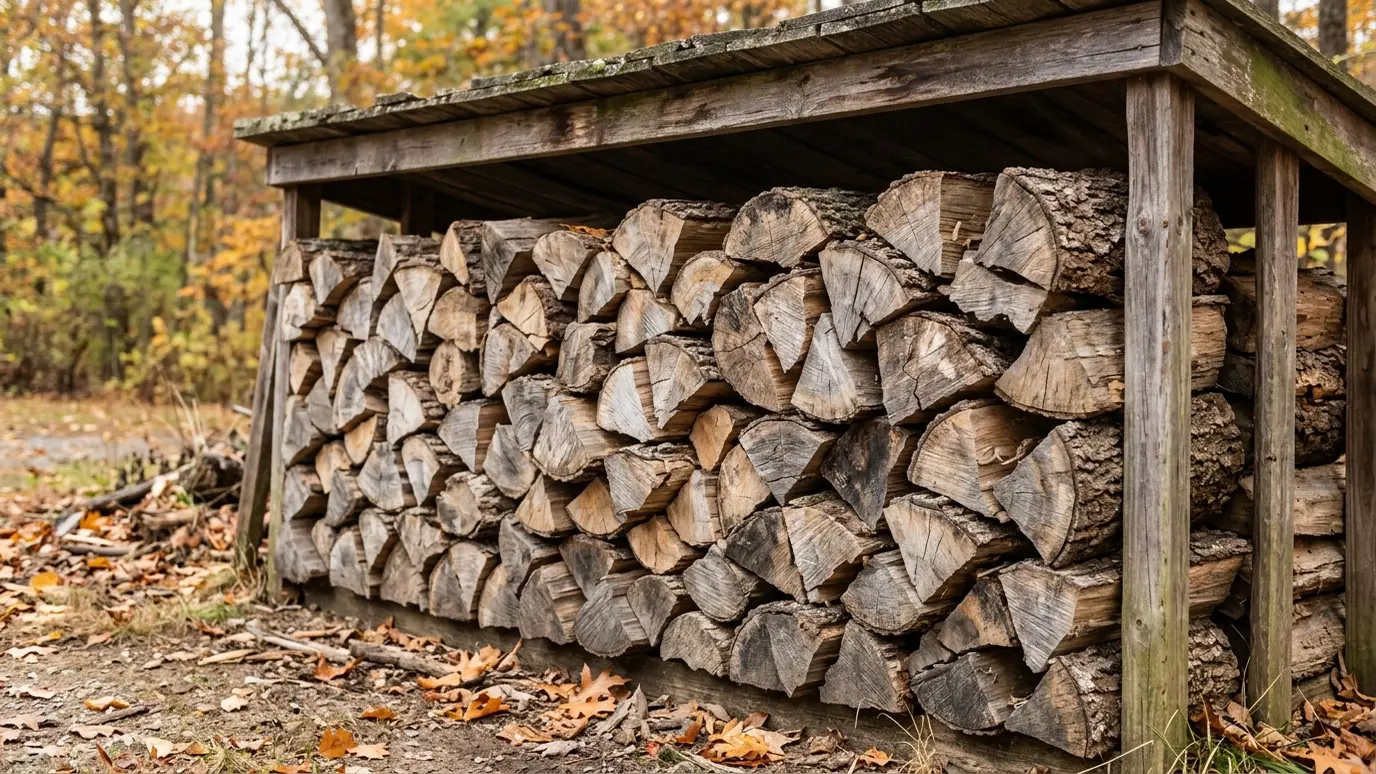 Material guideSeasoned FirewoodWhat you burn decides how clean your chimney stays. Here is how to choose and store firewood.Learn more
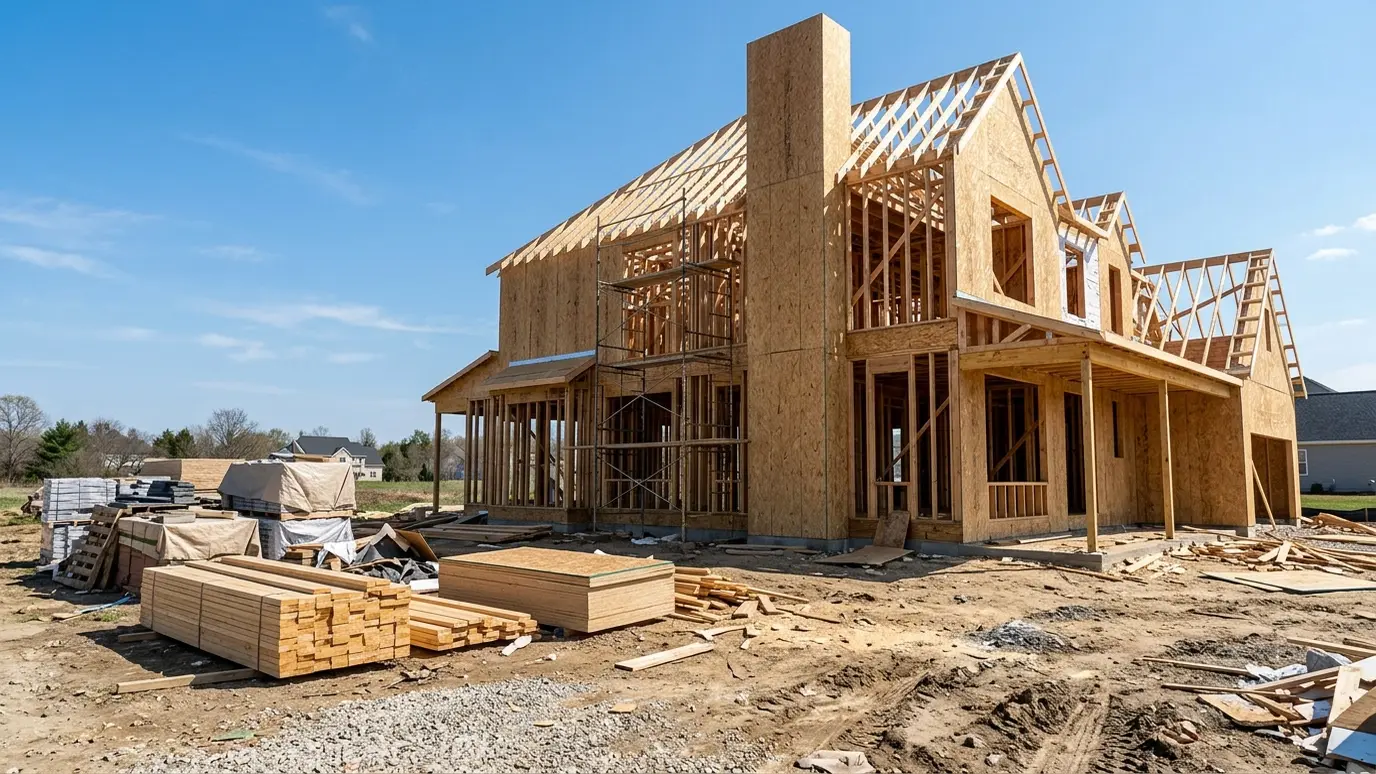 Project situationNew Construction and AdditionsNew homes and additions need chimneys built to draw well and meet the rules. Here is how we…Learn more
Answer five questions about your home and your goals and see the fireplace, stove, insert or gas option that fits best.
You tell us about the chimney, fireplace or stove and what you have noticed, and we set a visit that fits your day.
We look closely at the chimney, inside and out, ask how you use it and take photos of anything of note.
We explain what is urgent, what can wait and what is optional, and give you a written scope and options.
We lay drop cloths, seal the firebox and protect the roof and landscaping before any work begins.
We sweep, repair or install with the right tools and materials, checking our work as we go.
We clean up, show you what we did, share tips and set a reminder for your next visit.
It depends on the room and the house. We help you choose, and bigger is not always better.
Yes, usually with a liner. A freestanding stove can also vent into a masonry chimney.
Often yes. We help you find out and prepare the paperwork.
Usually a day or two, depending on the venting.
Dry, seasoned hardwood burns hot and clean. See our firewood guide and tool.
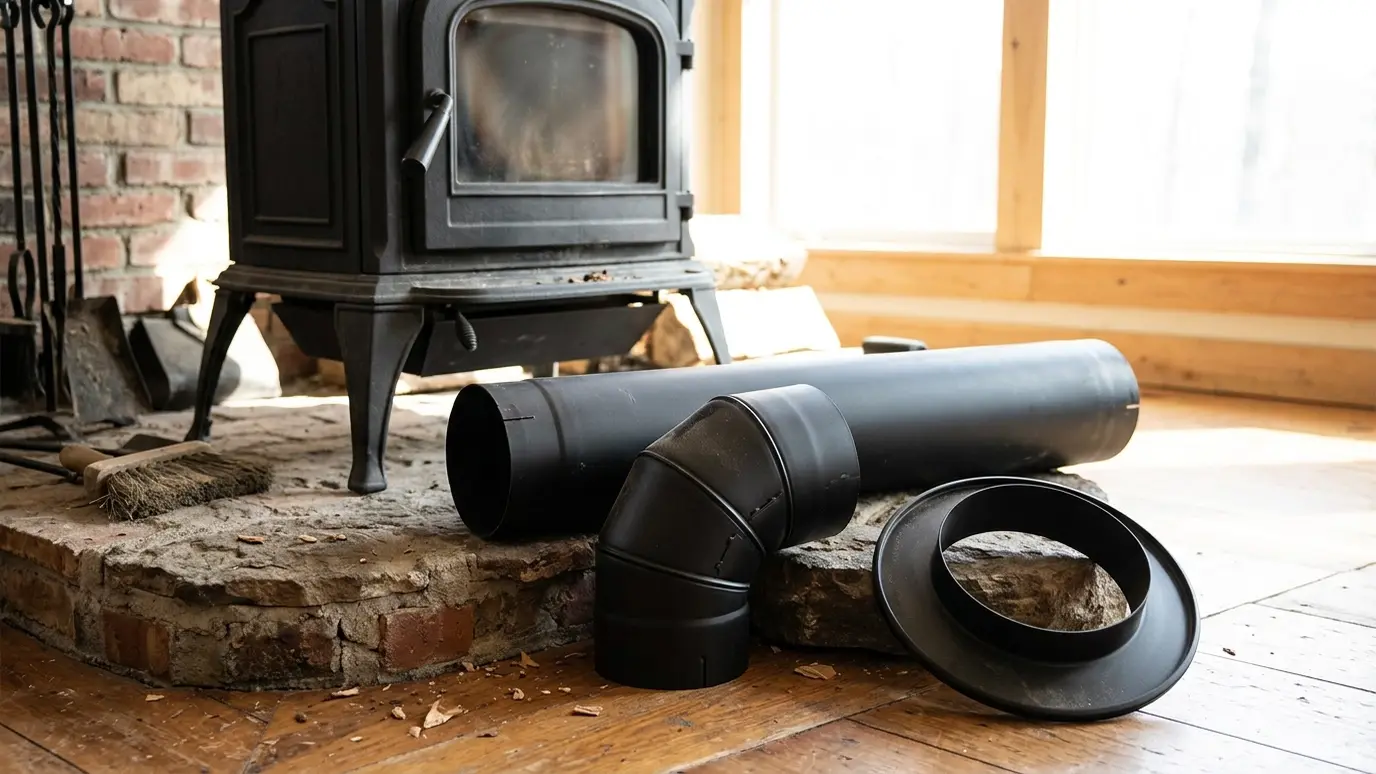 Stove Pipe and Connector ReplacementRusted, loose or poorly fitted stovepipe replaced with tight, correctly sized pipe and a safe connection to the…Explore
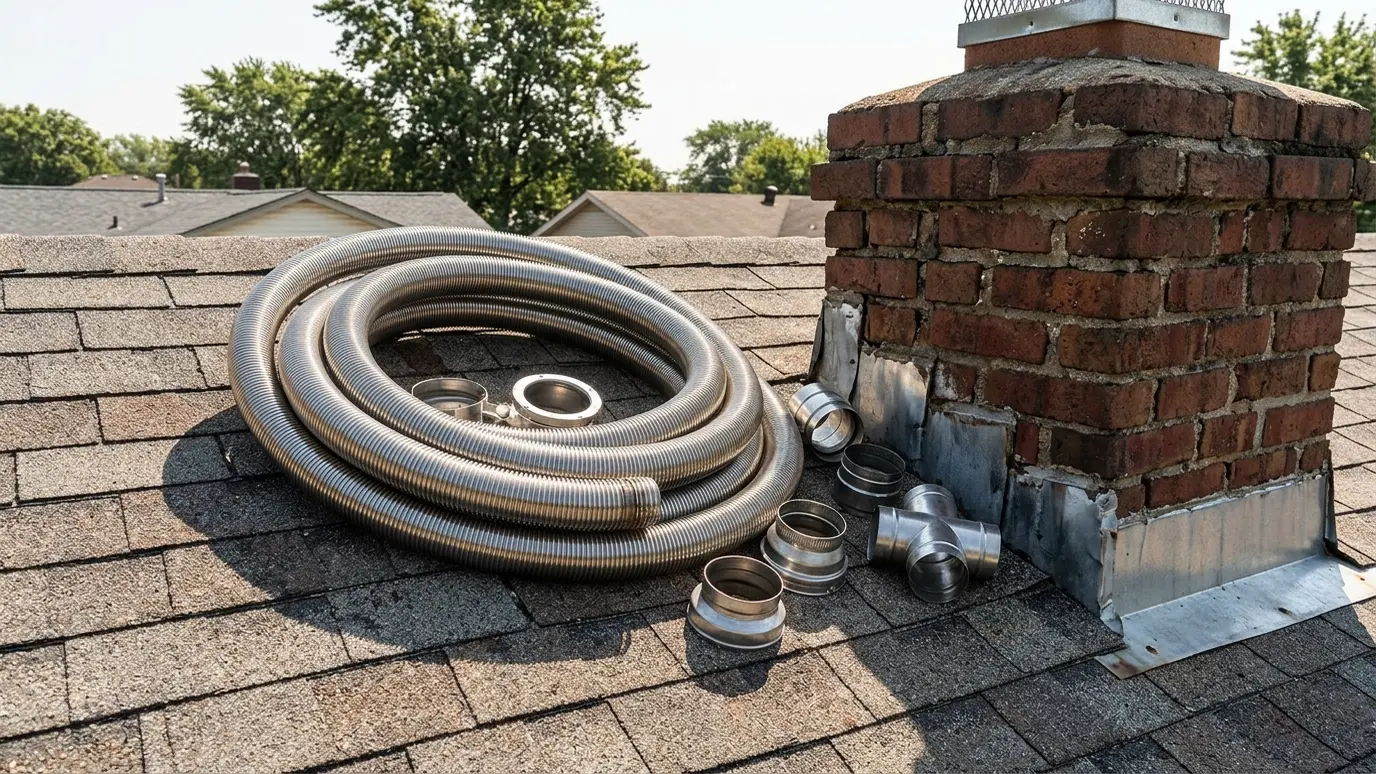 Chimney Liner InstallationA properly sized liner gives smoke a safe, sealed path up the chimney and protects the masonry from…Explore
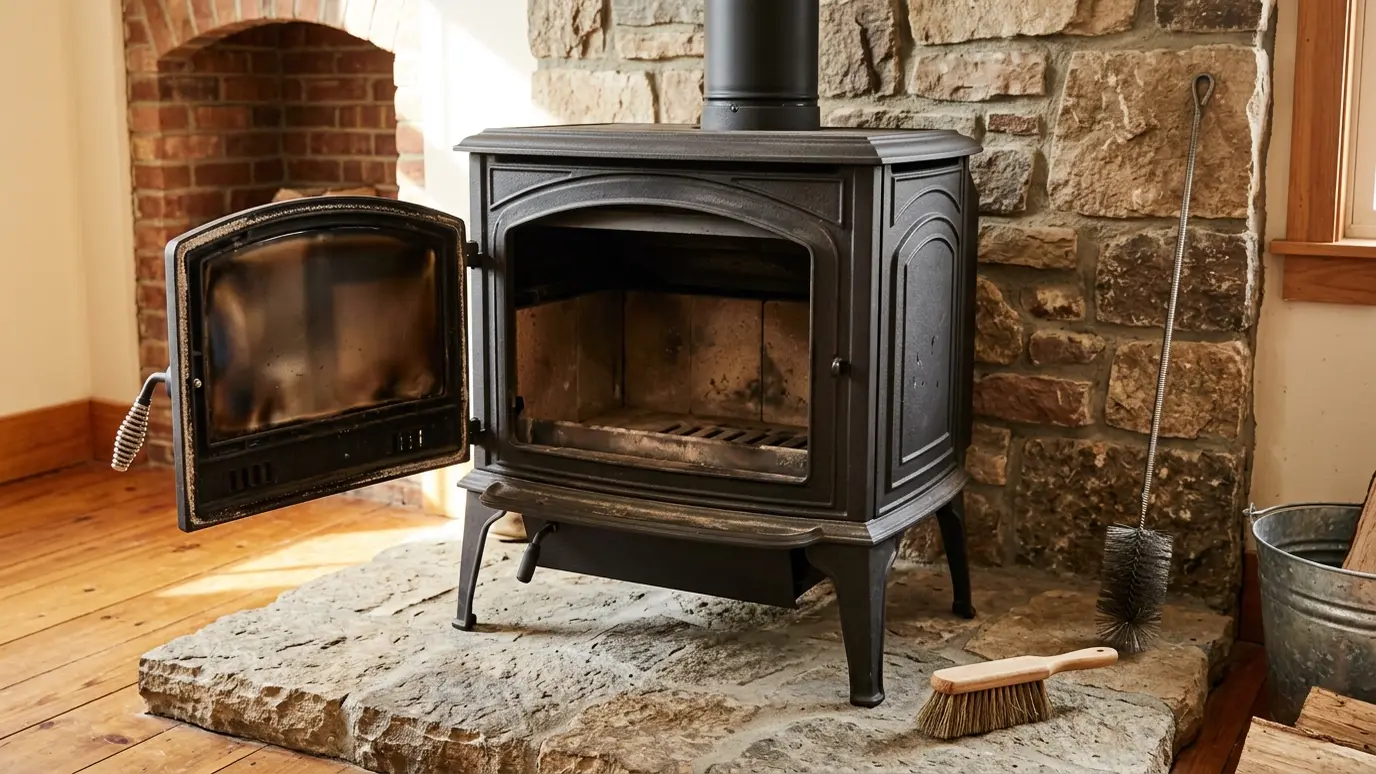 Wood Stove and Insert CleaningCleaning of the stove body, baffles, stovepipe and flue so efficient wood heating stays efficient and safe through…Explore
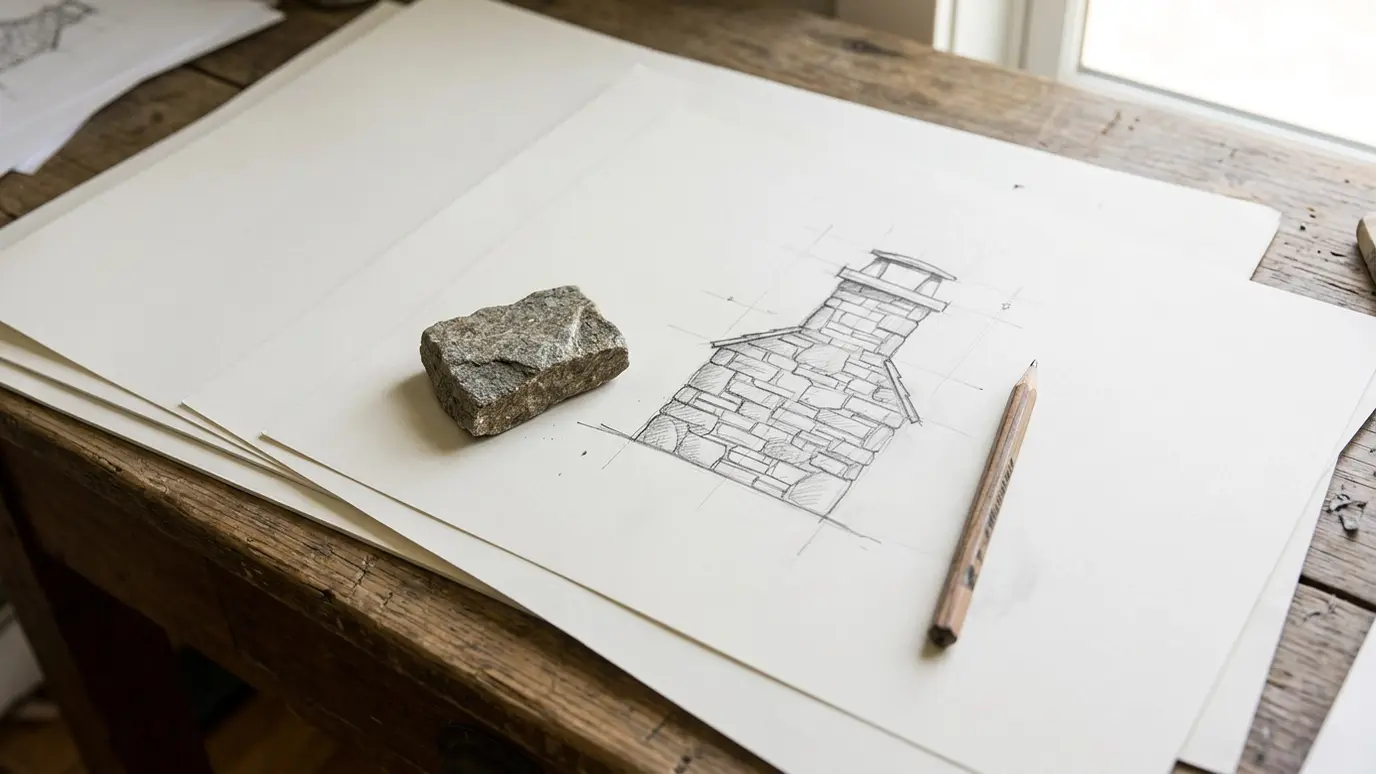 Permits and HOA ApprovalsHelp with the paperwork behind a chimney project: permit questions, drawings and neighborhood association approval packages.Explore
Tell us about the project and we will call you back to talk it through.
Or call (615) 357-7797 to talk now.