Cleaning of the stove body, baffles, stovepipe and flue so efficient wood heating stays efficient and safe through the whole season.
Wood stoves and inserts burn hotter and cleaner than an open fireplace, but they still make creosote, especially when they are damped down for a long, slow burn. Because the flue is narrower and the smoke path is longer, a little buildup matters more. Cleaning the stove, the pipe and the flue together keeps the whole system working the way it should.
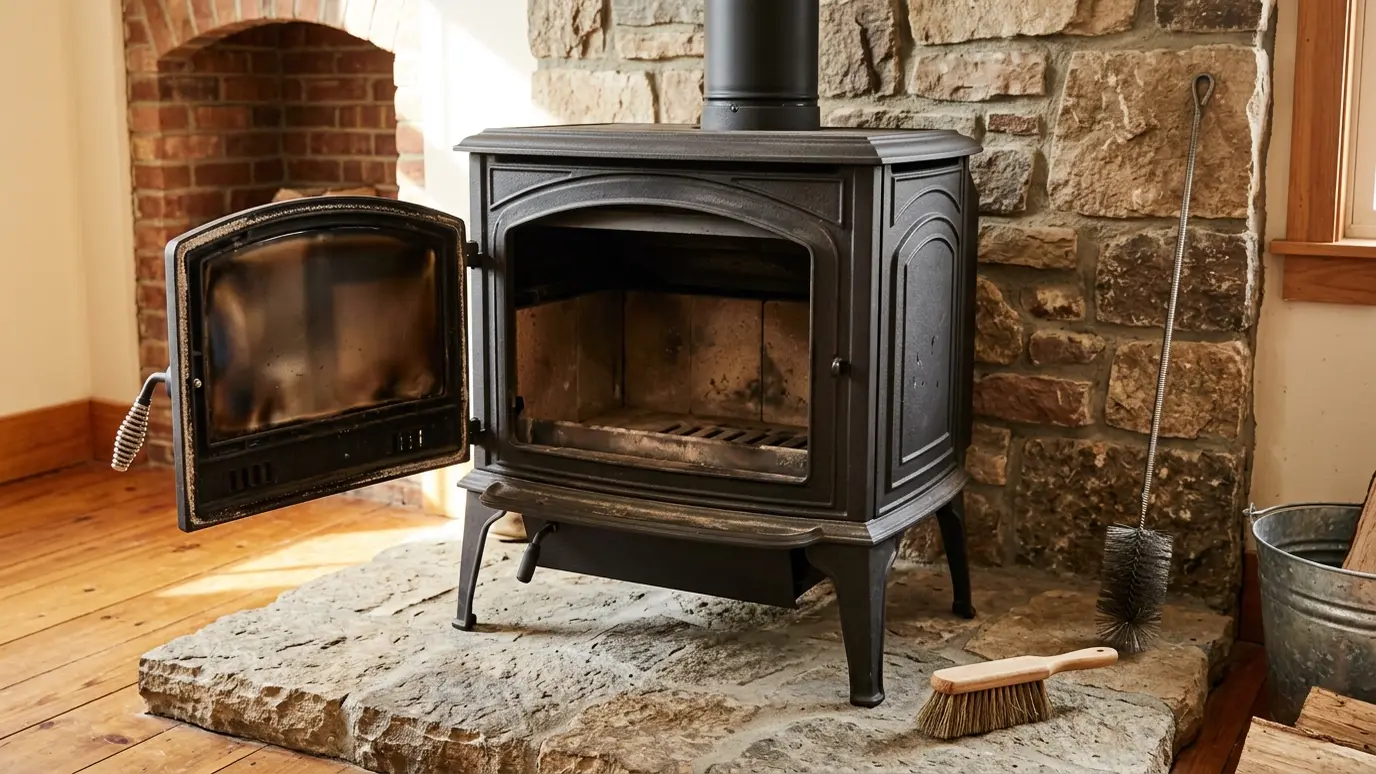
We open the stove, clean the firebox, the baffle and the air passages and then sweep the stovepipe or the liner that carries the smoke up the chimney. We check the door gasket, the glass and the connections as we go. You get a stove that lights easily, burns evenly and does not leak smoke when you open the door.
Ash and fly ash collect on and above the baffle where they can block air flow. We clean the baffle and the passages above it so the stove can breathe.
The pipe from the stove to the chimney is the first place creosote builds. We take it apart if needed, clean it and make sure every joint is tight.
An insert vents through a liner, and a freestanding stove may vent into a masonry chimney. We use brushes sized to the pipe so we clean it fully without damage.
A worn gasket lets air in and smoke out, and a sooty glass makes the stove hard to enjoy. We check them and clean the glass.
Drag the handle to compare.
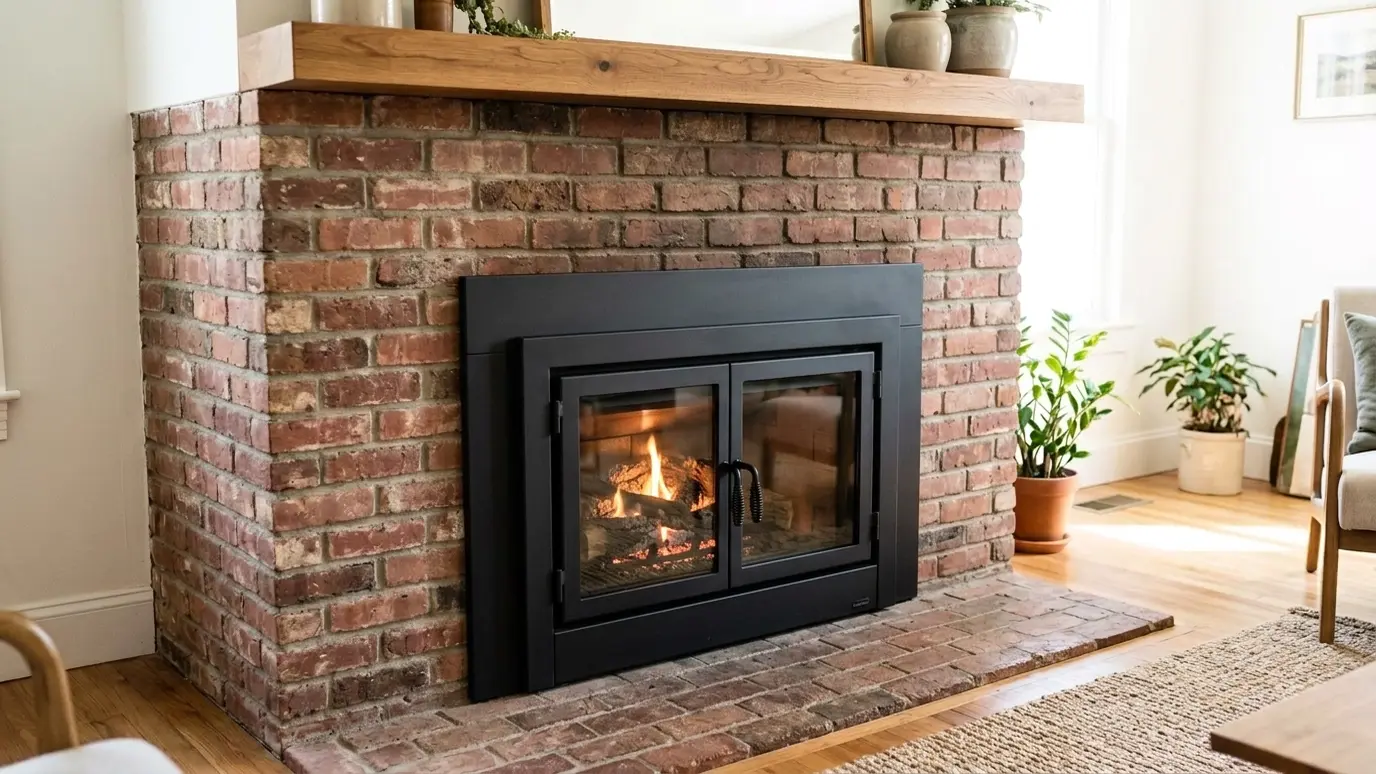
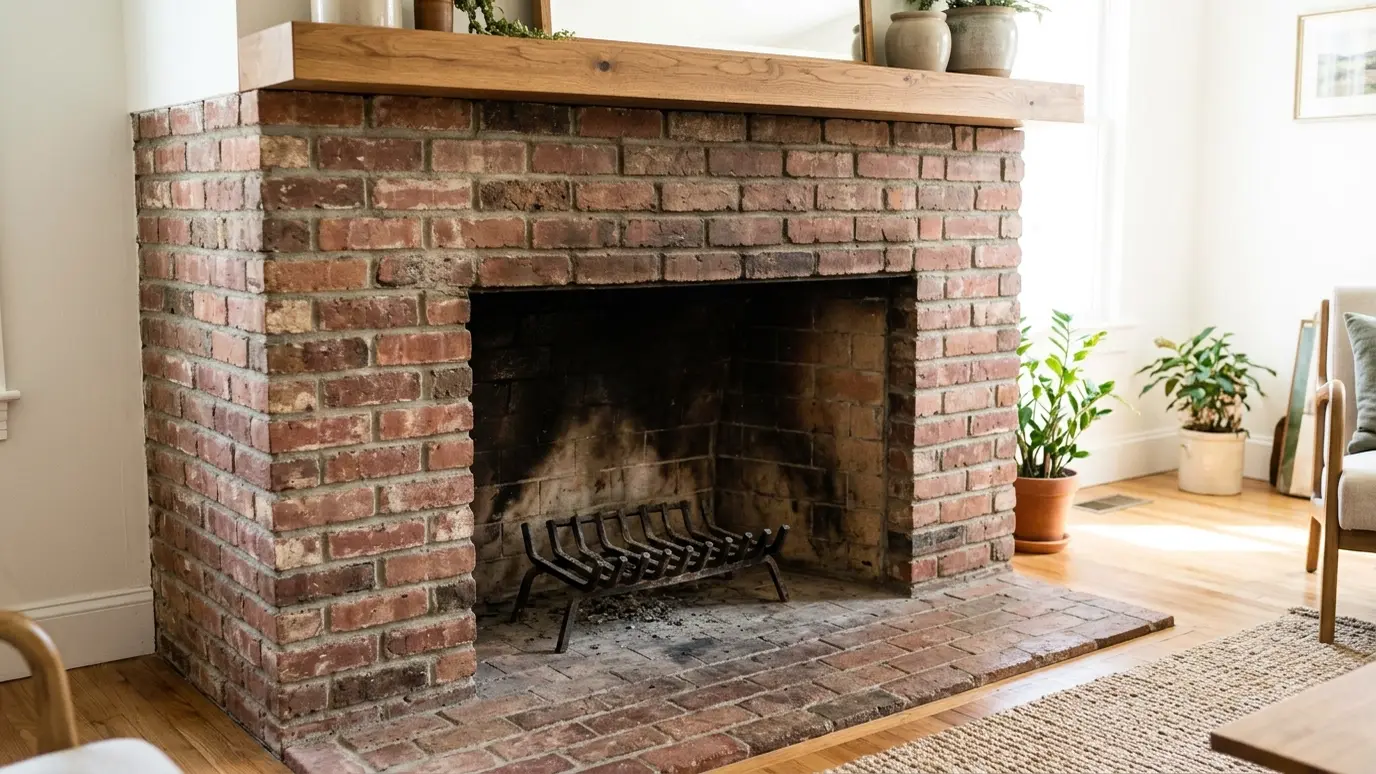 BeforeAfter
Stove, pipe and flue.
Less creosote to build.
Small leaks found early.
Smoke goes up the pipe.
Floor and hearth protected.
Before the burning season.
Every topic has its own page with what to expect and how we approach it.
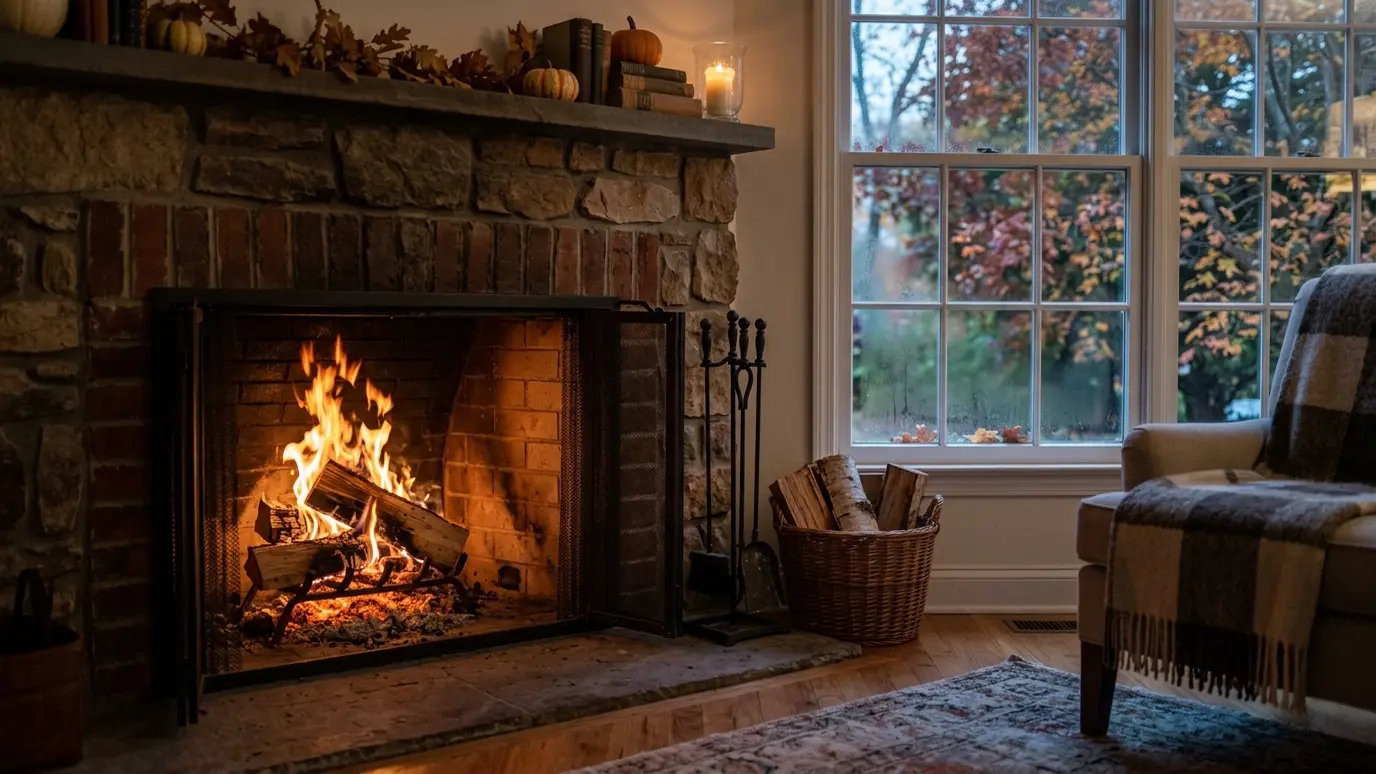 Project situationFirst Fire of the SeasonThe first cold night is not the time to find out your chimney needs work. Here is how…Learn more
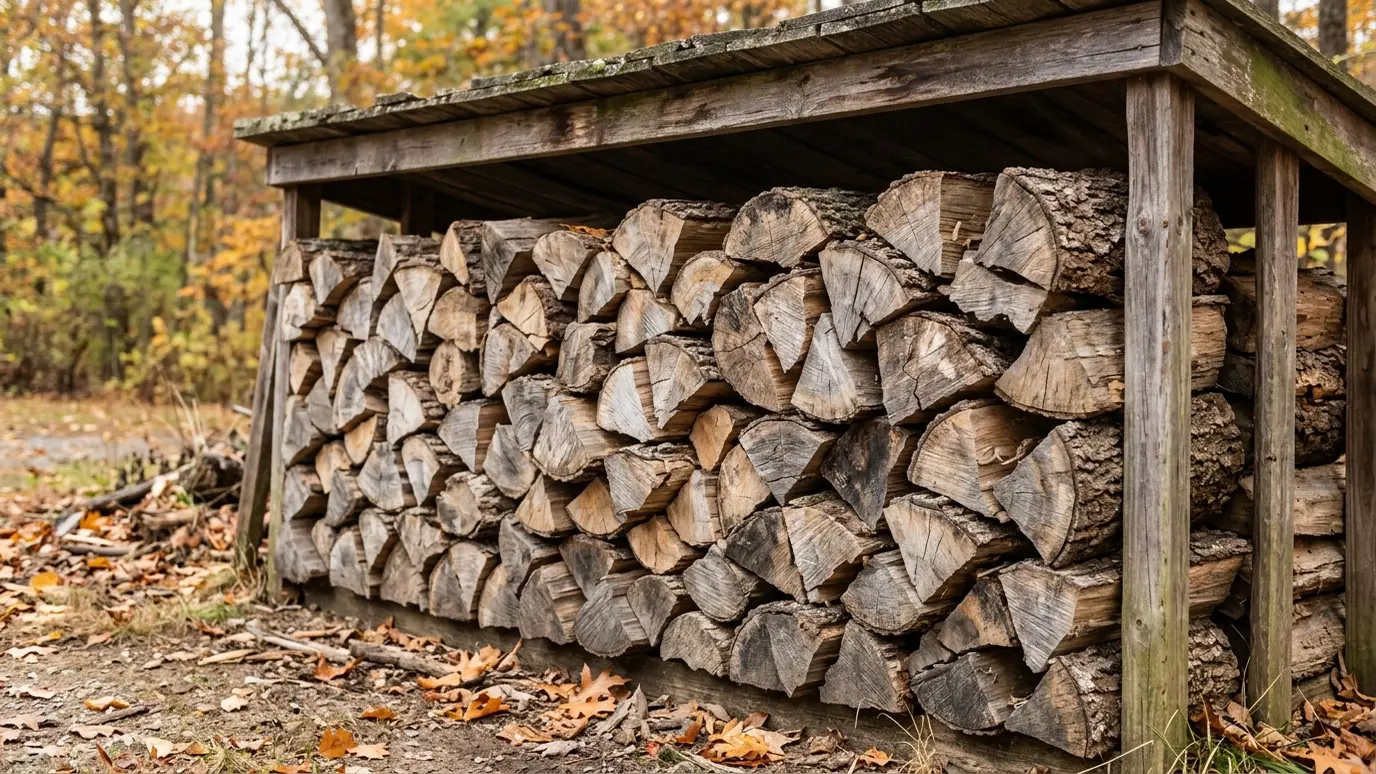 Material guideSeasoned FirewoodWhat you burn decides how clean your chimney stays. Here is how to choose and store firewood.Learn more
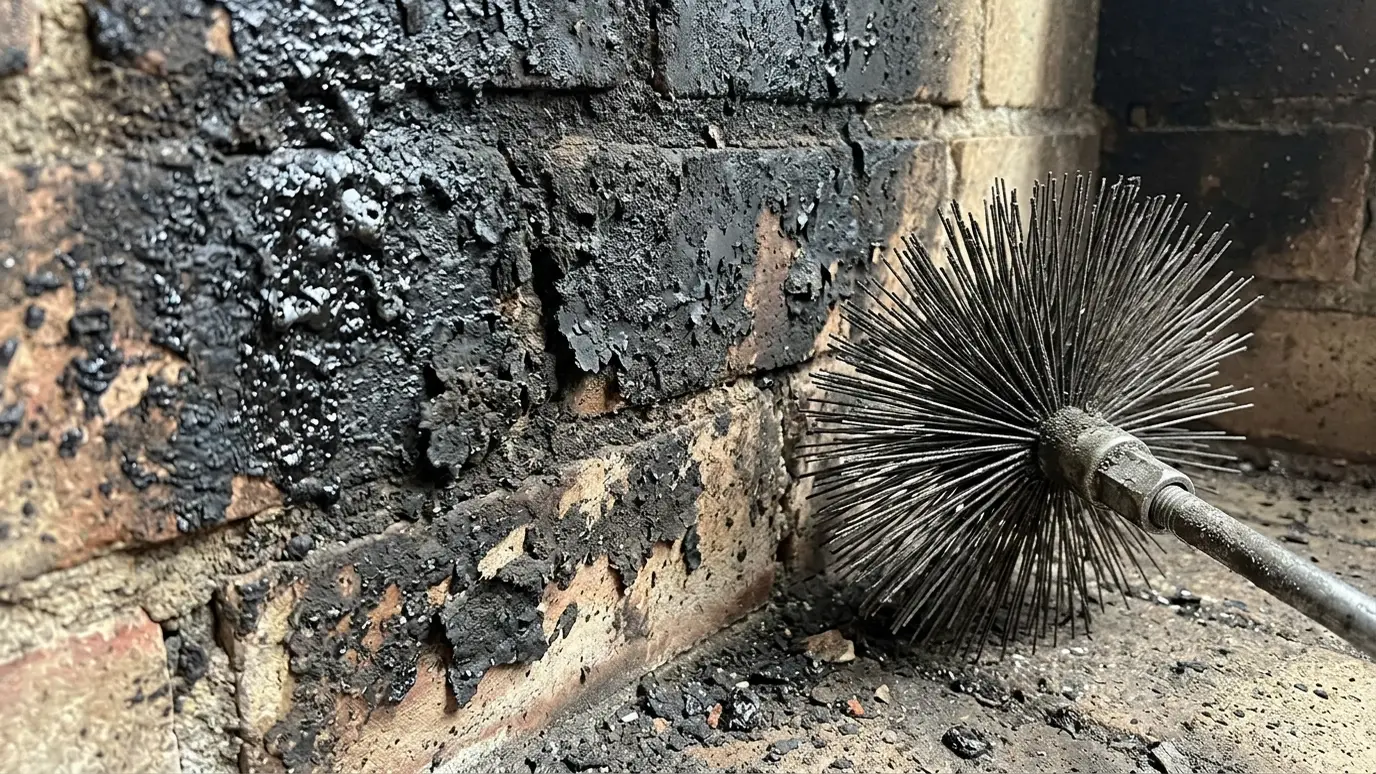 Material guideCreosote and SootCreosote and soot are the byproducts of every fire. Here is what they are and why they matter.Learn more
Tell us what you burn and how often to see when your chimney should be swept and inspected.
You tell us about the chimney, fireplace or stove and what you have noticed, and we set a visit that fits your day.
We look closely at the chimney, inside and out, ask how you use it and take photos of anything of note.
We explain what is urgent, what can wait and what is optional, and give you a written scope and options.
We lay drop cloths, seal the firebox and protect the roof and landscaping before any work begins.
We sweep, repair or install with the right tools and materials, checking our work as we go.
We clean up, show you what we did, share tips and set a reminder for your next visit.
Often at least once a year, and more if you burn it as a main heat source. Burning dry wood hot keeps buildup lower.
Wet wood, low fires and poor draft are common causes. Cleaning helps, and we can suggest changes to your burning.
Sometimes they do, depending on the model. We explain what is needed before we start.
Yes, or we can point you to the right part for your stove.
Slow, smoldering fires make more creosote. We can show you how to burn hotter and cleaner.
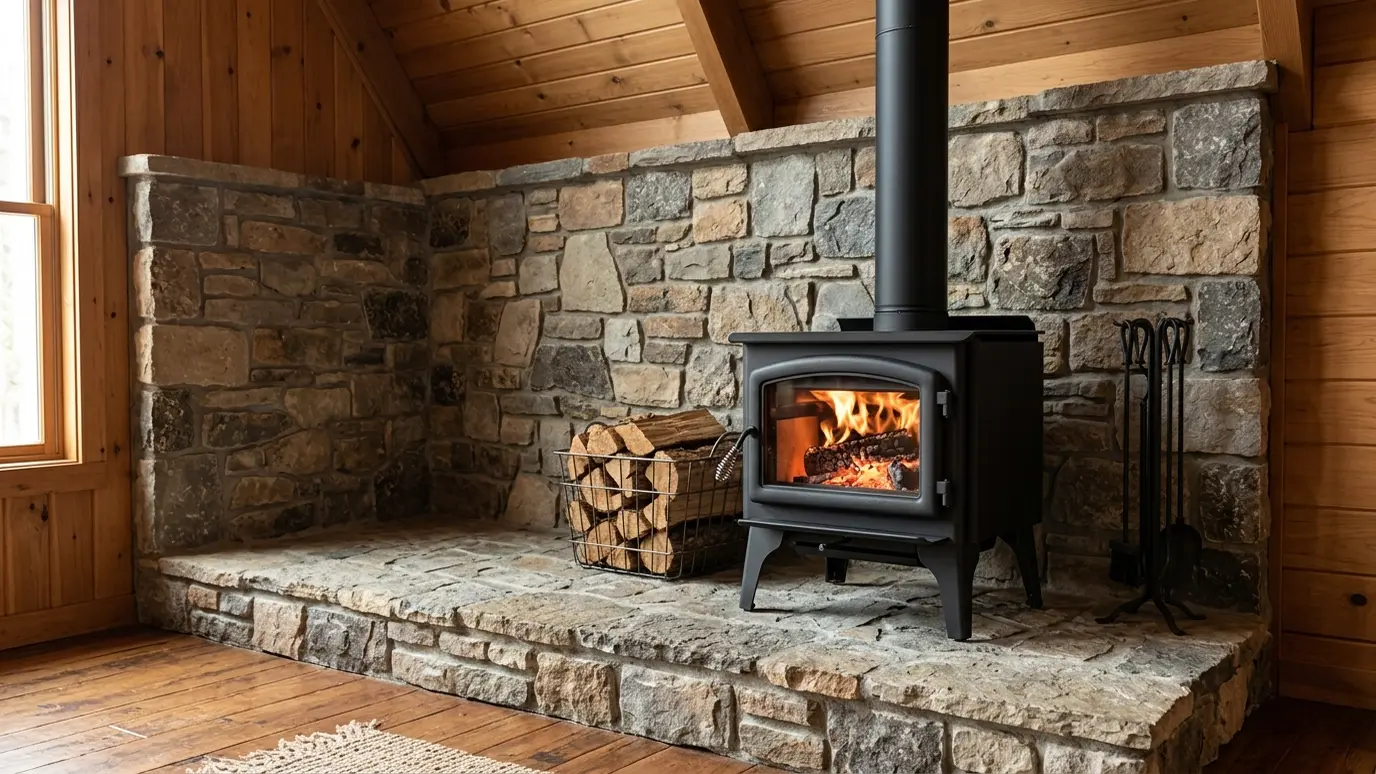 Wood Stove InstallationA new wood stove set on a safe hearth with the right pipe, clearances and liner, ready to…Explore
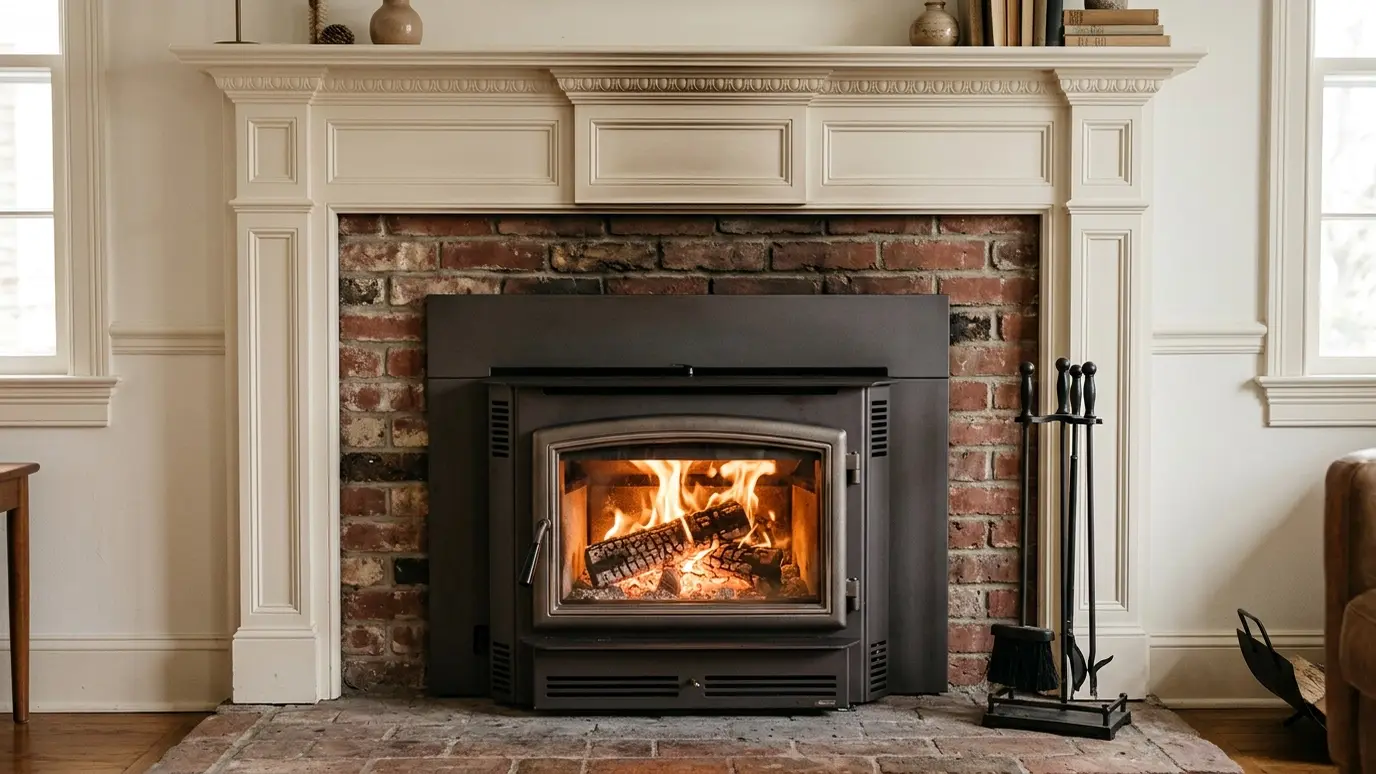 Fireplace Insert InstallationA steel or cast iron insert turns a drafty open fireplace into an efficient heater, with a liner…Explore
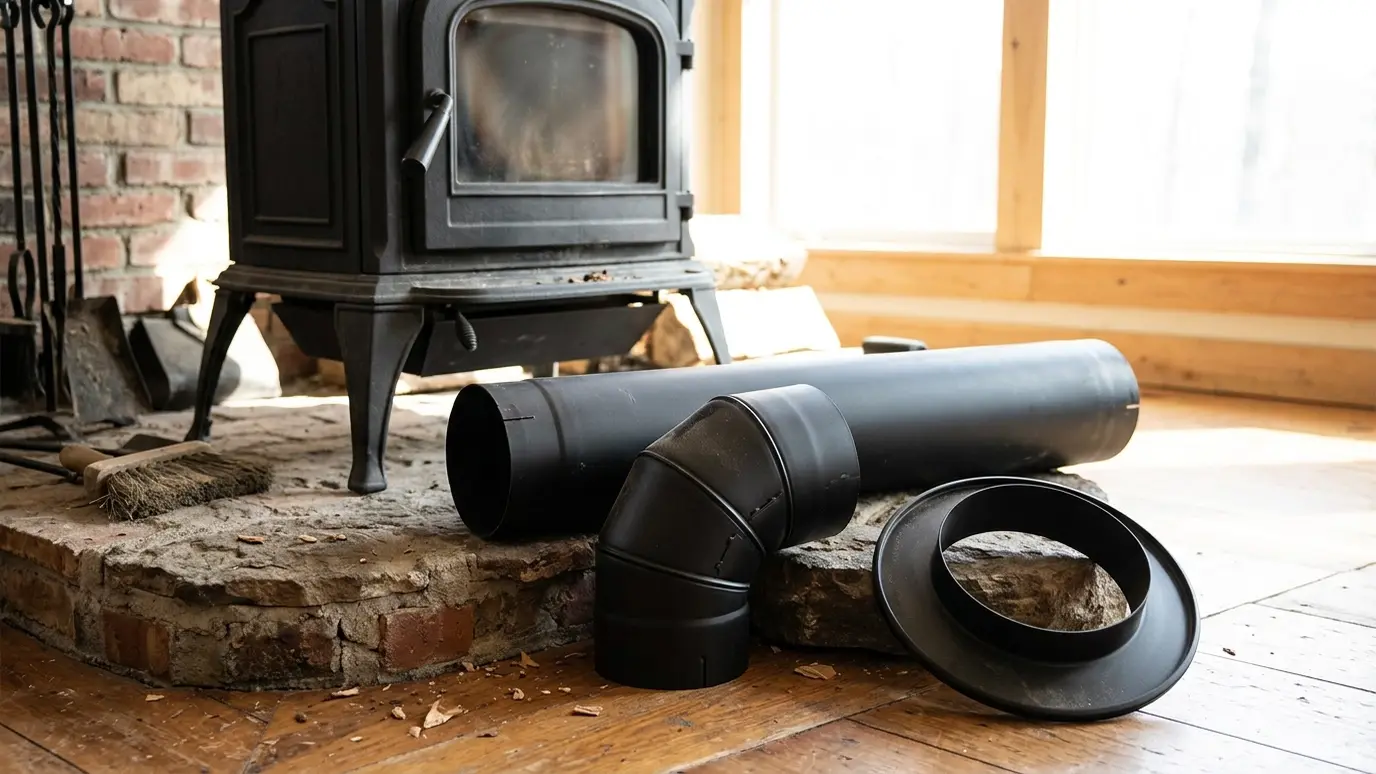 Stove Pipe and Connector ReplacementRusted, loose or poorly fitted stovepipe replaced with tight, correctly sized pipe and a safe connection to the…Explore
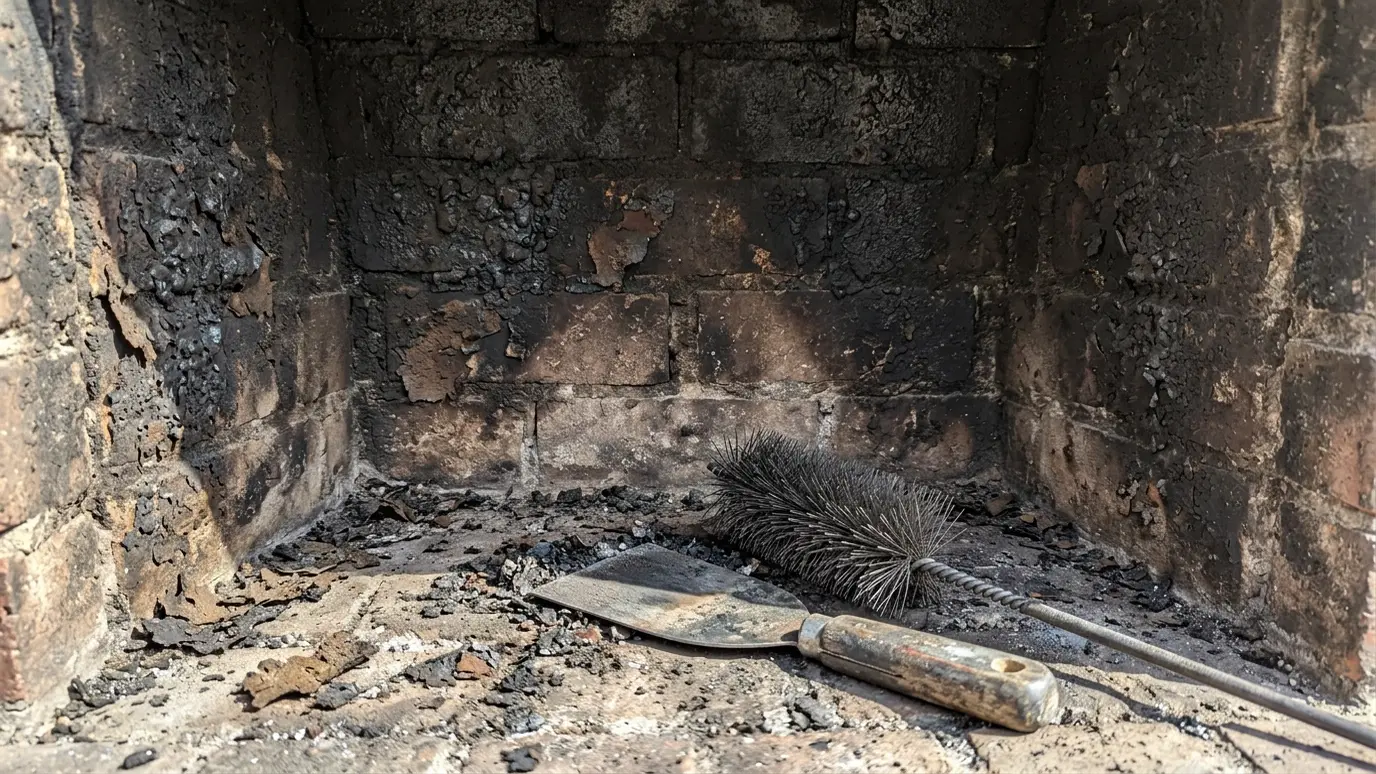 Creosote and Glaze RemovalHeavy creosote and shiny glaze are removed with the right tools and methods, so a dangerous buildup stops…Explore
Tell us about the project and we will call you back to talk it through.
Or call (615) 357-7797 to talk now.