Signs of a leak
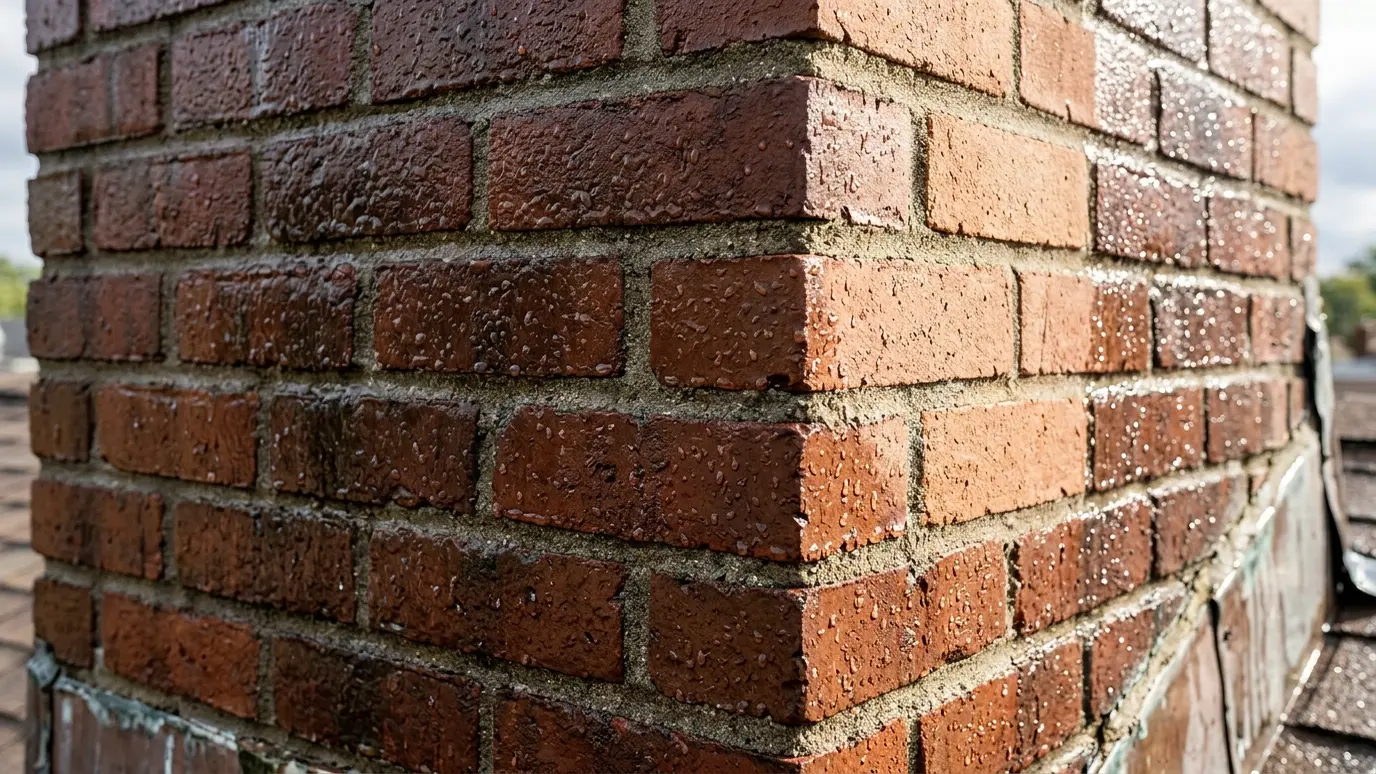
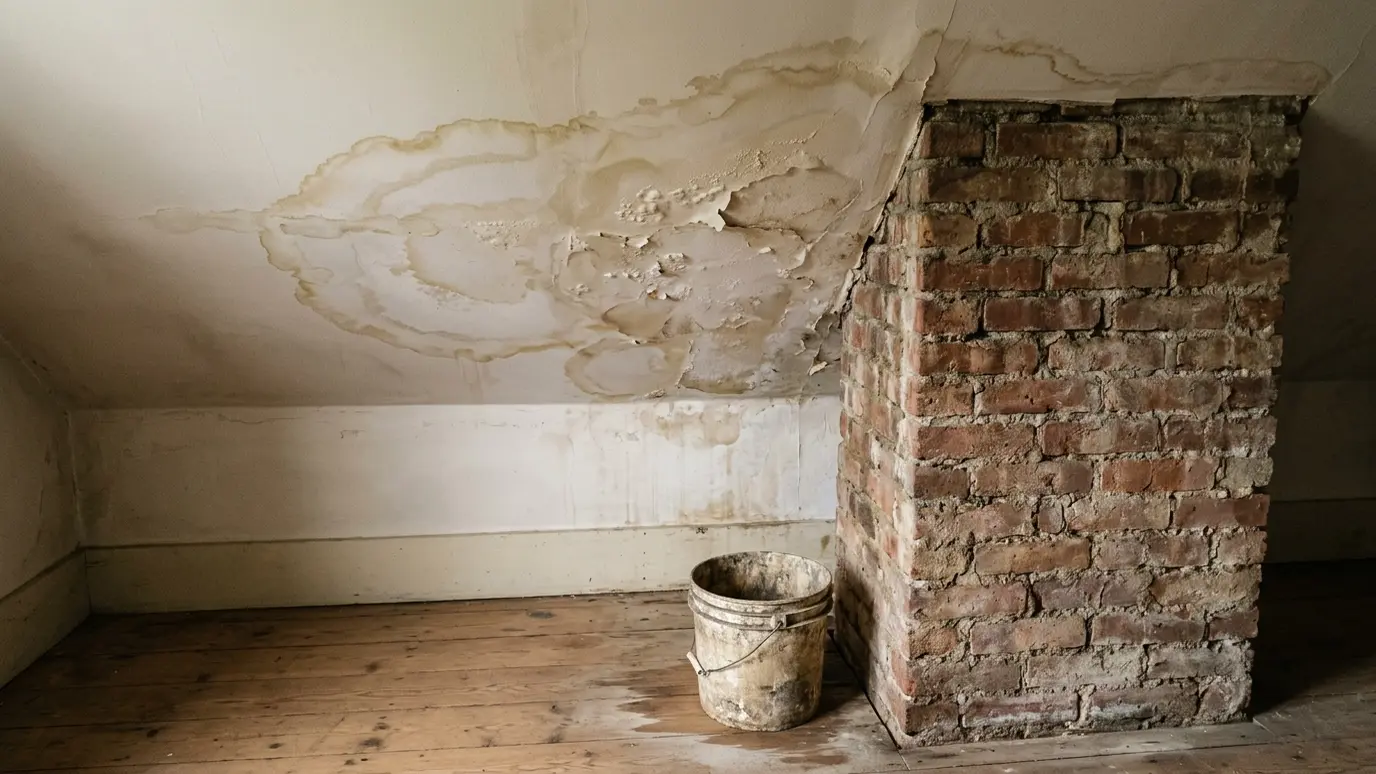
Ceiling stains, damp walls, musty smell, rusty damper, water in the firebox and white staining on the brick all point to a leak.
Water can travel before it shows.
Common sources
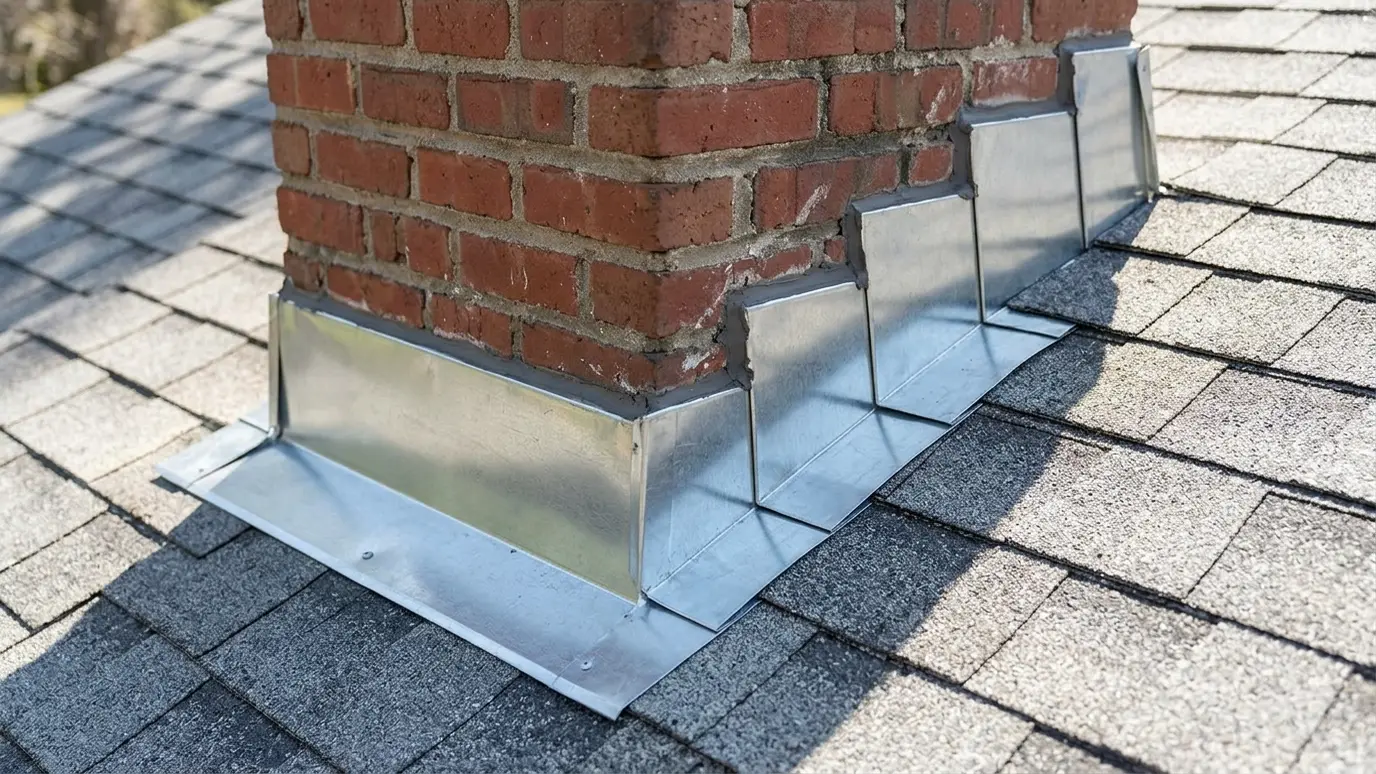
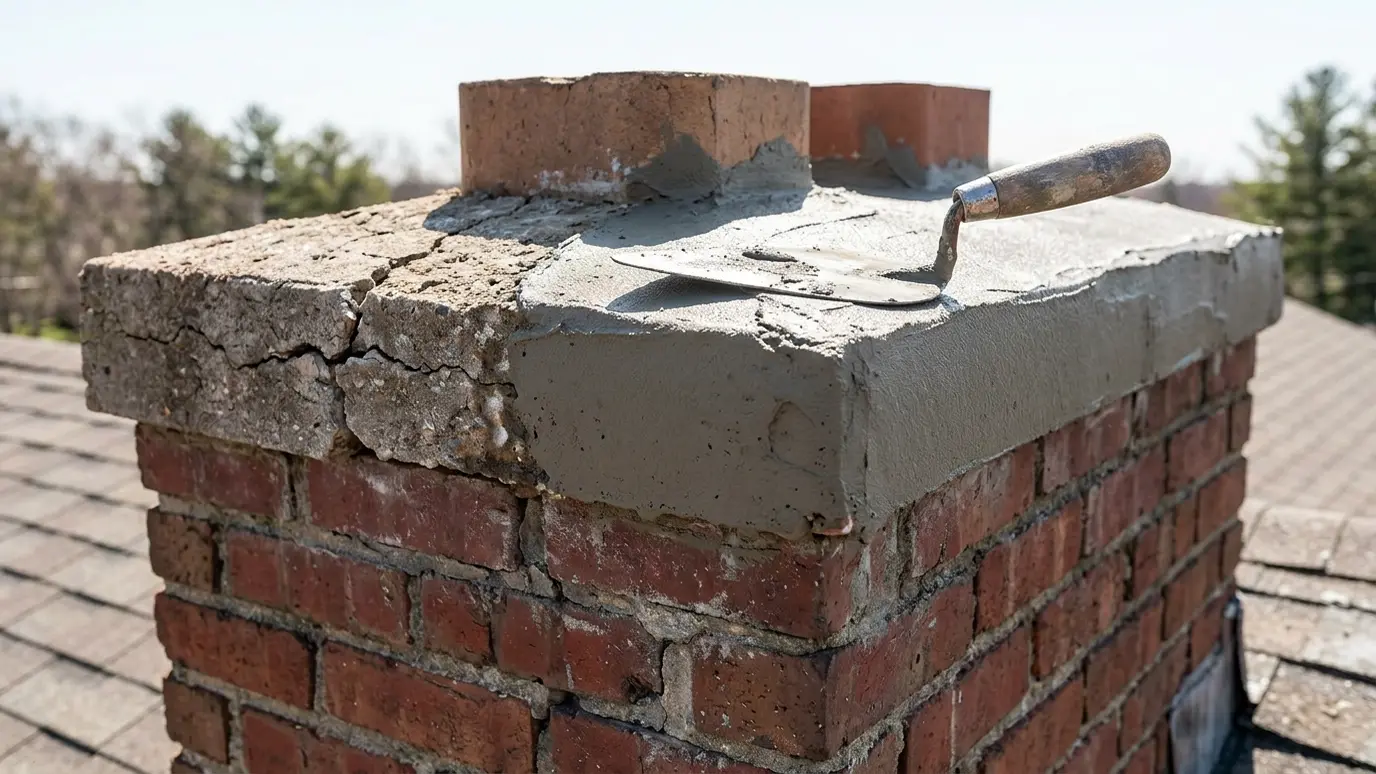
Flashing, crown, cap, mortar joints, cracked brick and the flue itself. Sometimes it is the roof beside the chimney.
Each has a different fix.
How leaks are traced
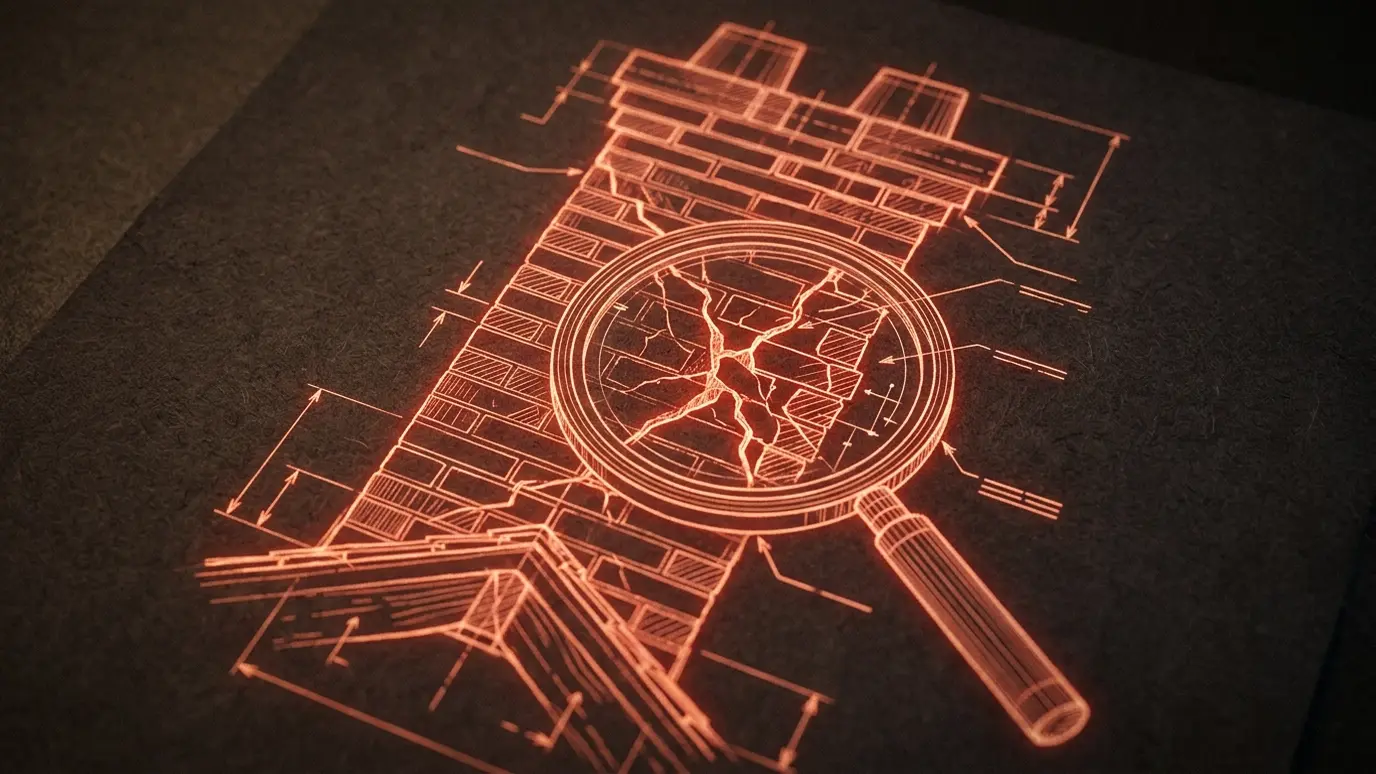
Start at the top, check each part and use a controlled water test if needed. A camera looks inside the flue.
Guessing wastes money.
Repairs that work
Counterflashing set into the joints, a new crown, repointing, a cap and a breathable sealer.
Caulk and tar are short-term only.
Protecting the house
Dry out wet areas, check insulation and framing and watch for mold.
Fix the chimney first so it does not come back.
Preventing leaks
Yearly inspection, prompt repairs and a good cap and crown keep water out.
It is much cheaper than rebuilding.
Trace the leak before repairing it, use metal and mortar instead of caulk and dry out what got wet.