After a chimney fire, a full inspection and the repairs that make the system safe again, from cracked tiles to damaged liners.
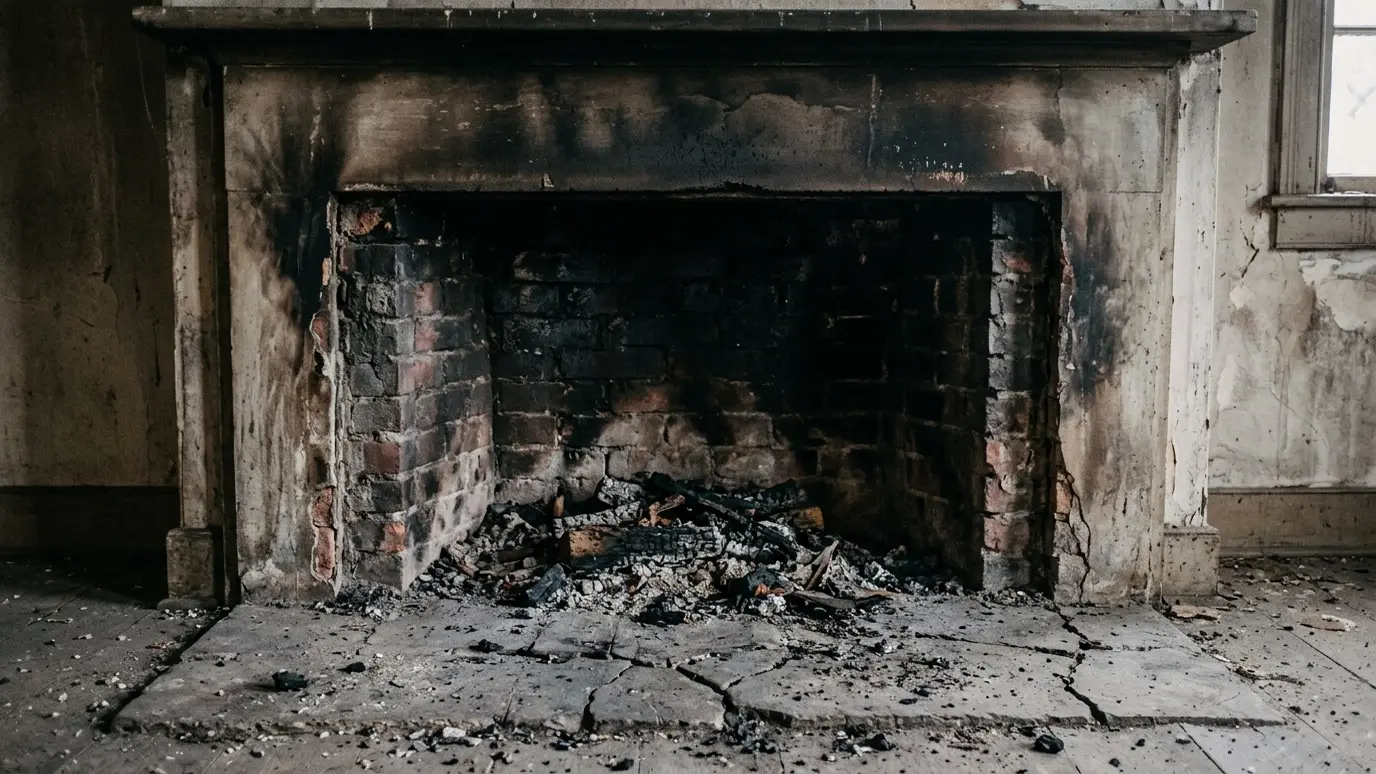
Not every chimney fire is dramatic. Some burn quietly inside the flue with a rumbling sound and a lot of smoke, and the family may not realize what happened. Even so, the heat can crack flue tiles, warp a metal liner, damage mortar and let flames reach the wood framing around the chimney. A chimney that has had a fire should not be used again until it has been inspected.
We begin with a camera inspection of the whole flue, because damage is often hidden. Then we explain what we found and what is needed, which might be cleaning, tile replacement, relining, repair of masonry or a combination. We also document the damage with photos, which helps with an insurance claim.
Puffy or flaking creosote, warped metal, cracked or scorched tiles and discolored or cracked masonry are common signs, along with a history of a loud roaring in the flue.
A scan shows cracks and gaps in the tiles and joints that a flashlight misses. It is the only way to be sure the flue is safe.
Minor damage may be repaired. When a flue is cracked or broken, a stainless steel liner is often the best answer because it makes a new, sealed path for smoke.
We provide photos and a written description of the damage. We do not handle claims, but we make the paperwork easier.
Drag the handle to compare.
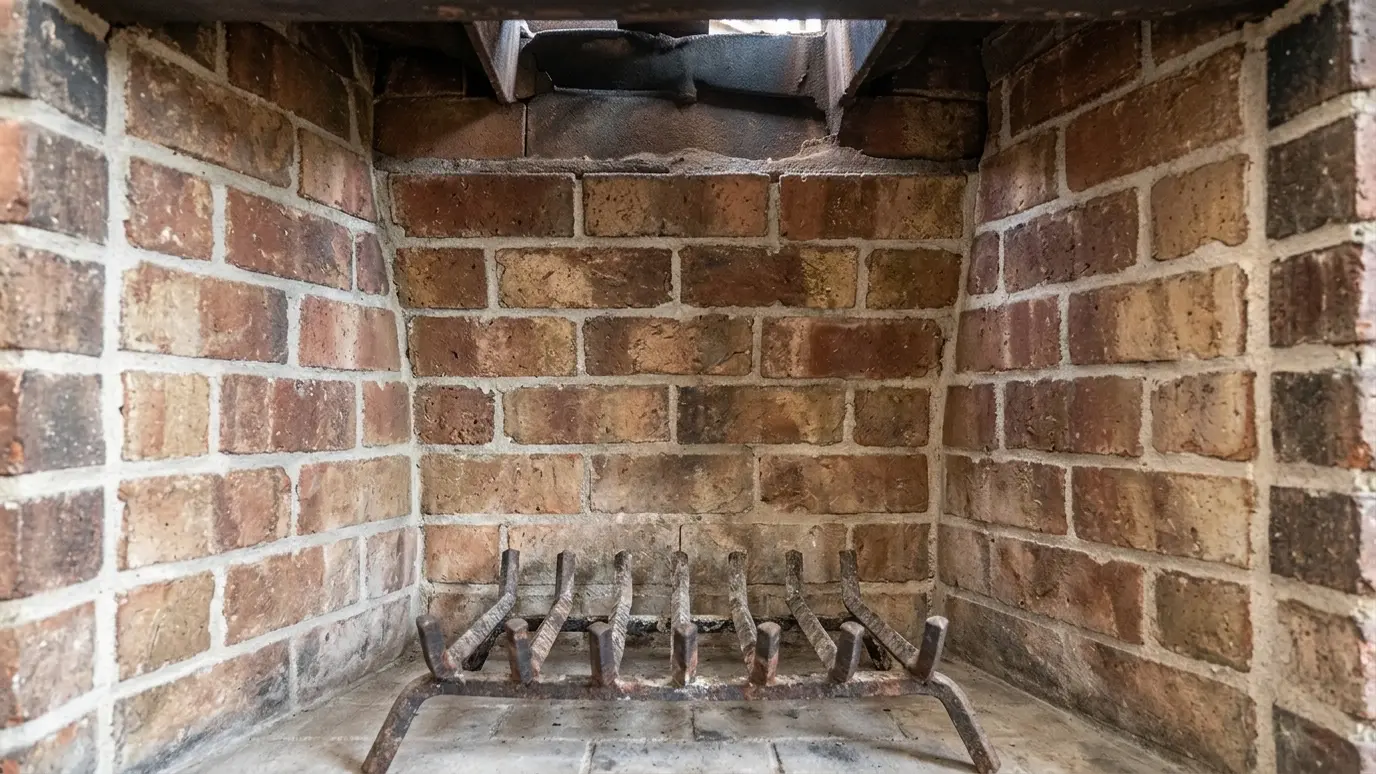
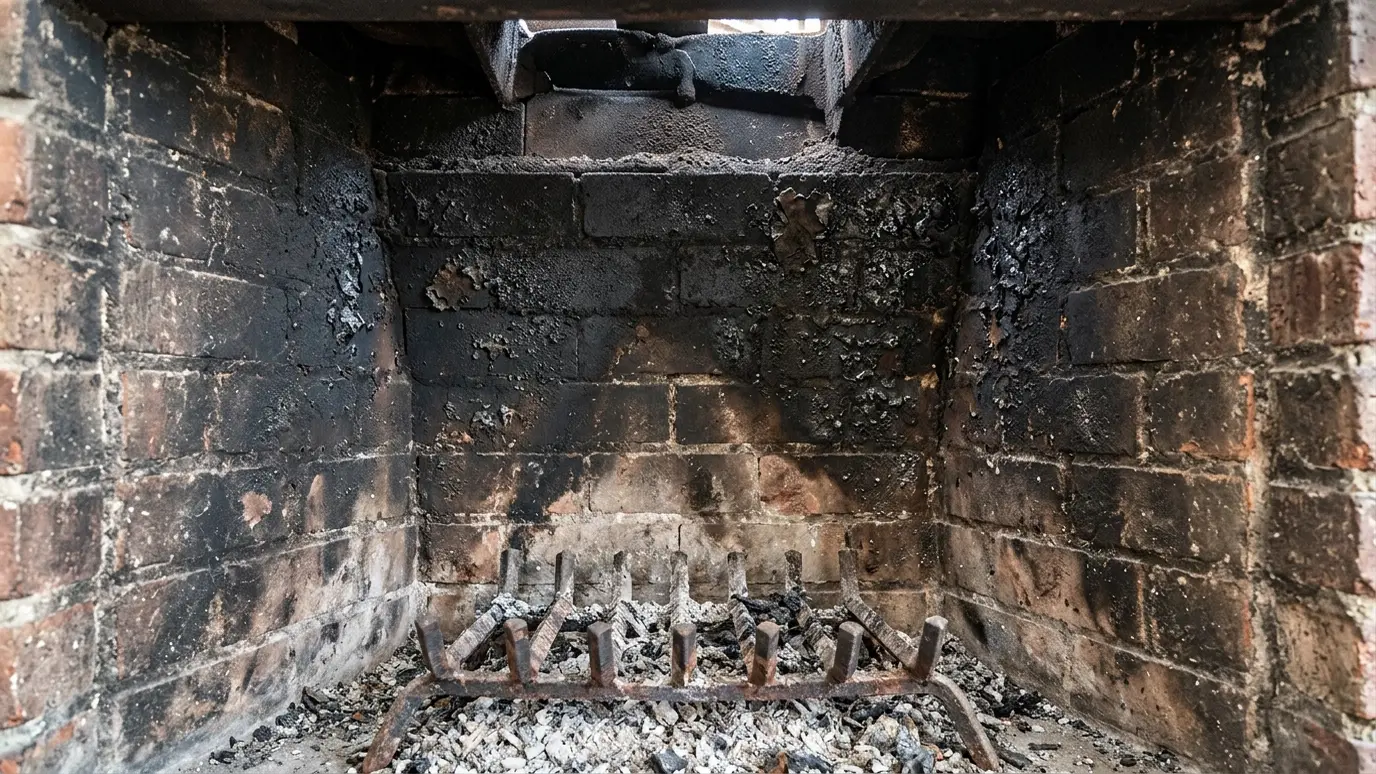 BeforeAfter
No use until inspected.
Hidden damage found.
Honest options.
Framing and masonry too.
Helpful for claims.
We explain every step.
Every topic has its own page with what to expect and how we approach it.
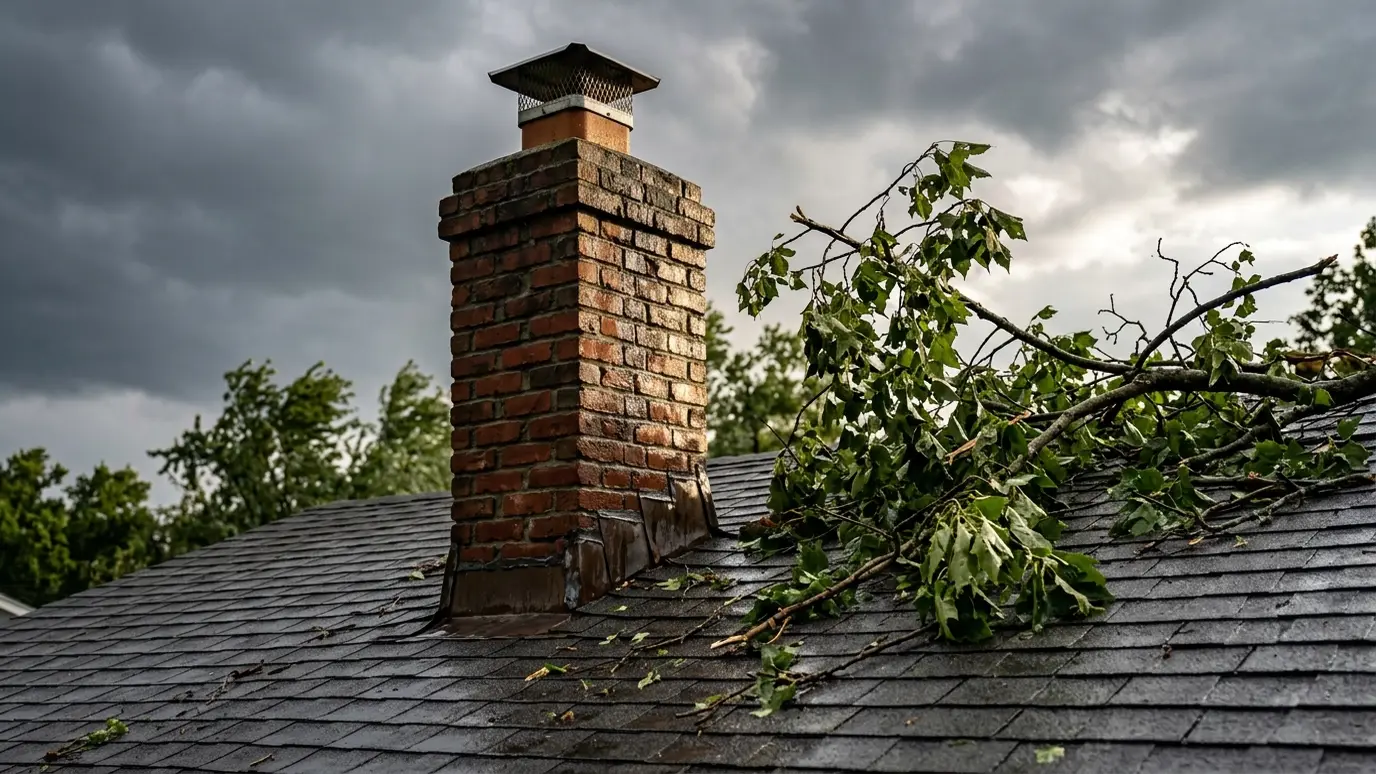 Project situationStorm and Wind DamageSevere weather finds the tallest part of your house. Here is what to do and how we make…Learn more
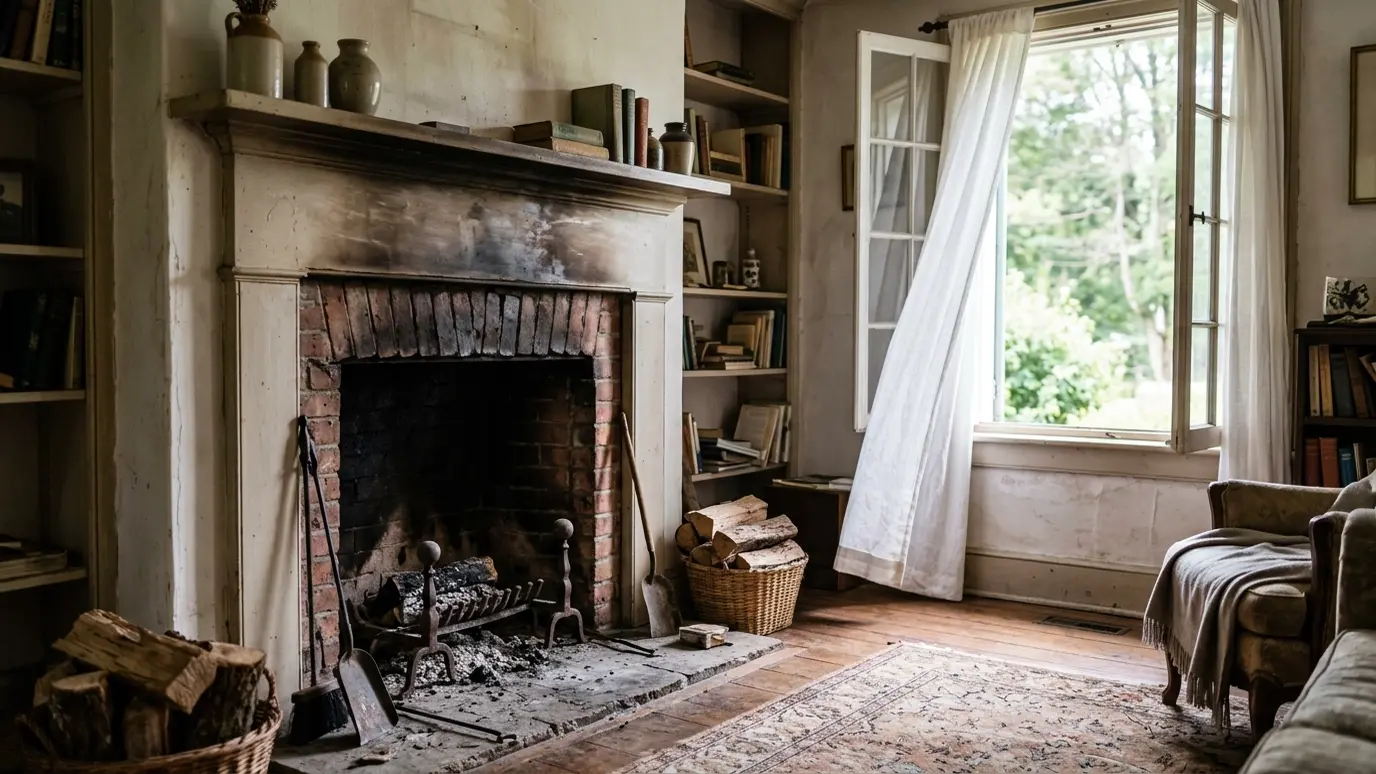 Project situationSmoke and Odor ProblemsSmoke in the room or a smoky smell in summer both have causes. Here is how we find…Learn more
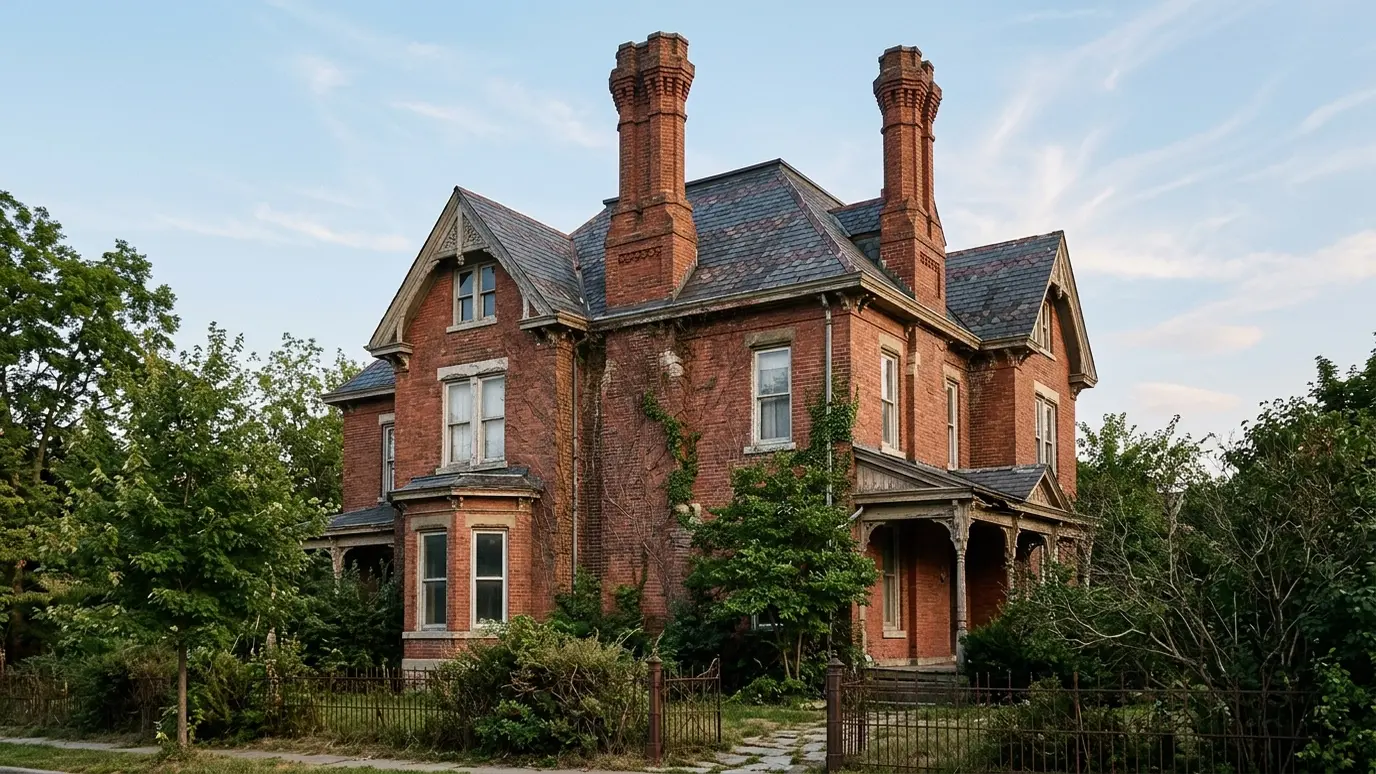 Project situationOlder and Historic HomesOlder chimneys have soft brick, old mortar and no liner. They need a gentler approach and the right…Learn more
Pick what you see or smell to learn what it may mean and how urgent it is.
You tell us about the chimney, fireplace or stove and what you have noticed, and we set a visit that fits your day.
We look closely at the chimney, inside and out, ask how you use it and take photos of anything of note.
We explain what is urgent, what can wait and what is optional, and give you a written scope and options.
We lay drop cloths, seal the firebox and protect the roof and landscaping before any work begins.
We sweep, repair or install with the right tools and materials, checking our work as we go.
We clean up, show you what we did, share tips and set a reminder for your next visit.
Loud roaring, heavy smoke, a strange smell or damaged tiles are signs. Some fires go unnoticed.
Not until a professional inspection. Hidden damage can allow smoke or flames to escape.
That depends on your policy. We provide photos and a written description of the damage.
Not always, but it can. A camera scan answers the question.
Cleaning and inspection can be quick. Relining usually takes a day or two.
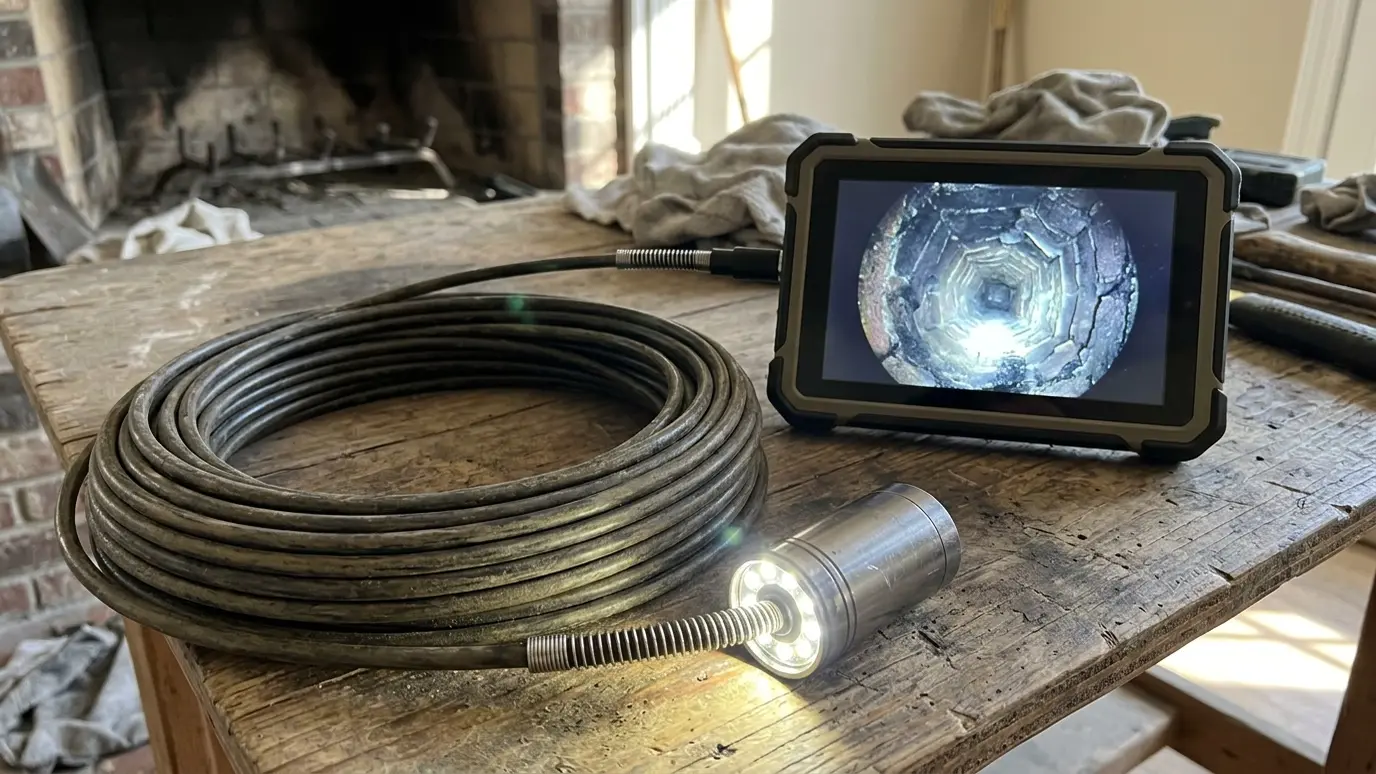 Chimney Camera InspectionA small camera is run through the flue so we can see cracks, gaps and buildup that a…Explore
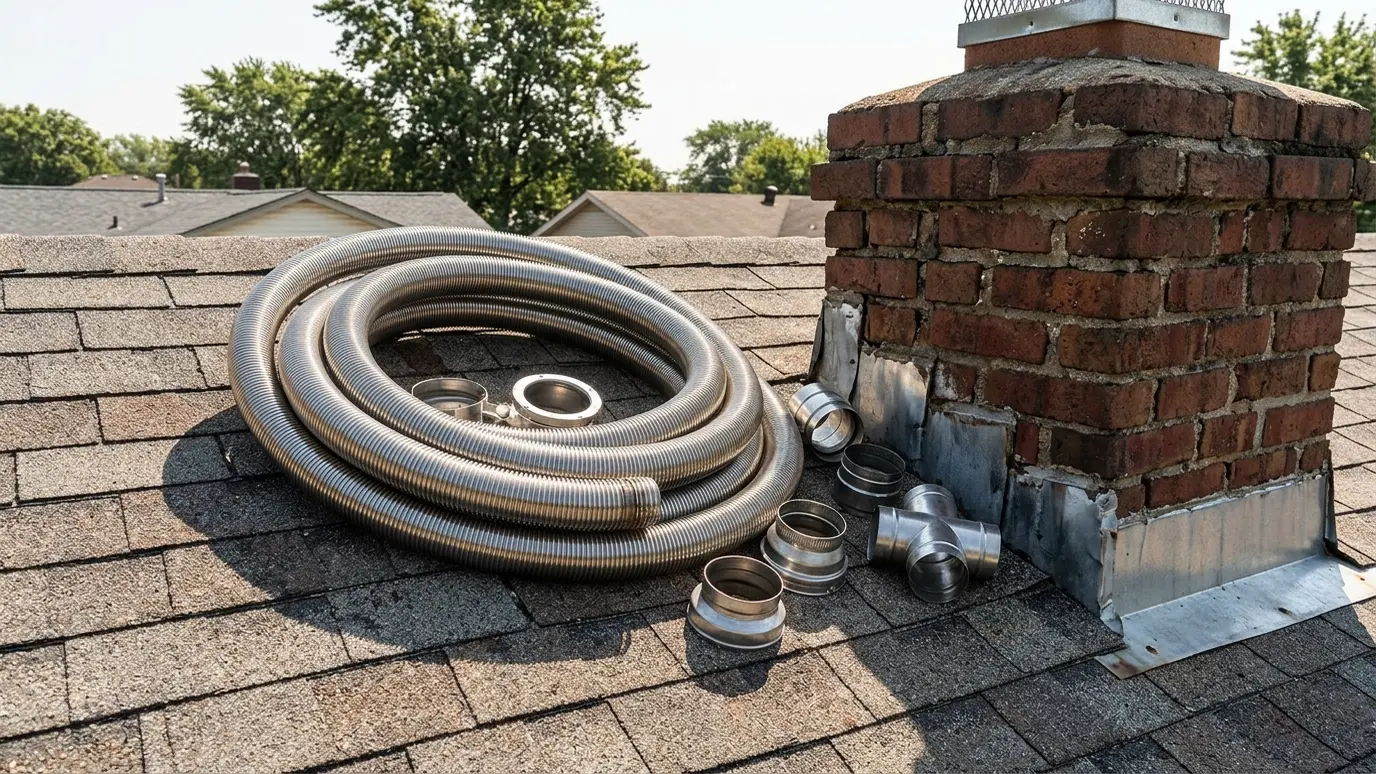 Chimney Liner InstallationA properly sized liner gives smoke a safe, sealed path up the chimney and protects the masonry from…Explore
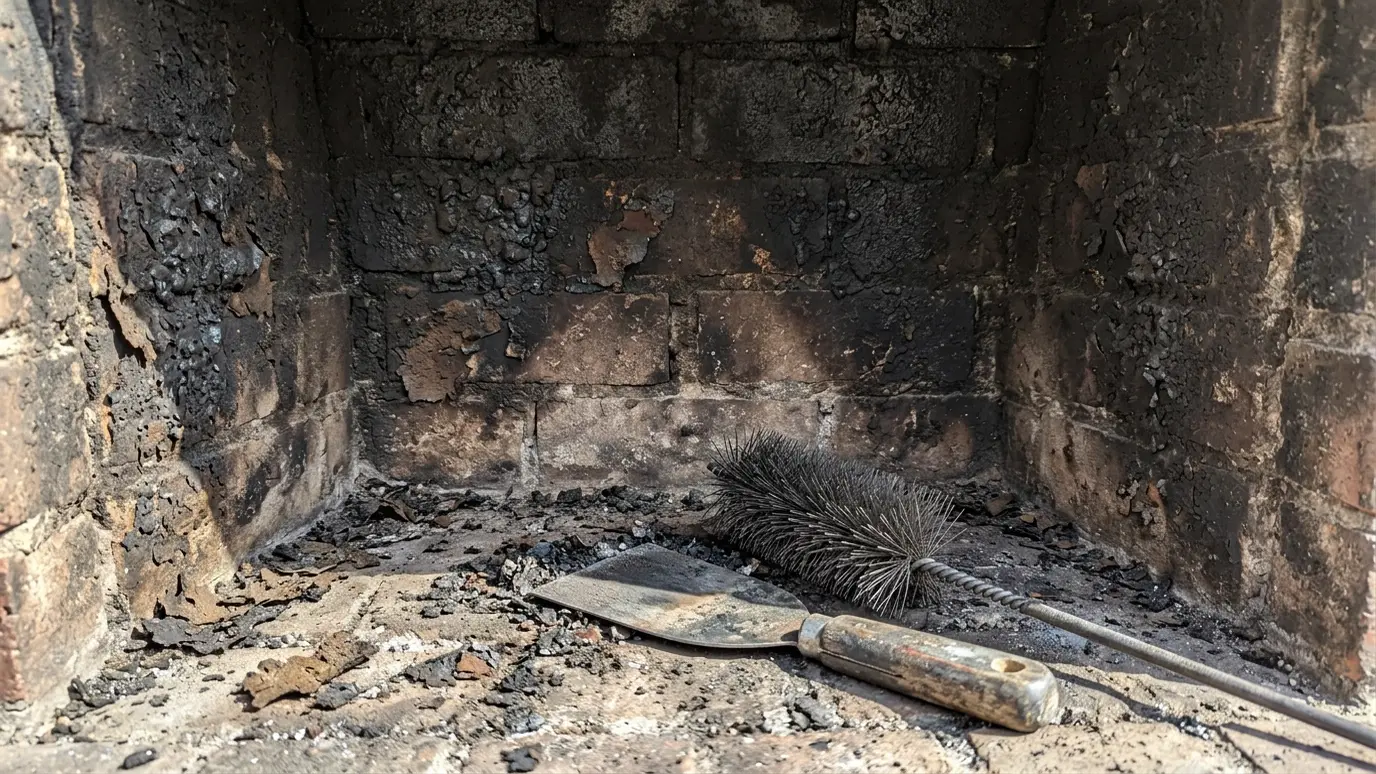 Creosote and Glaze RemovalHeavy creosote and shiny glaze are removed with the right tools and methods, so a dangerous buildup stops…Explore
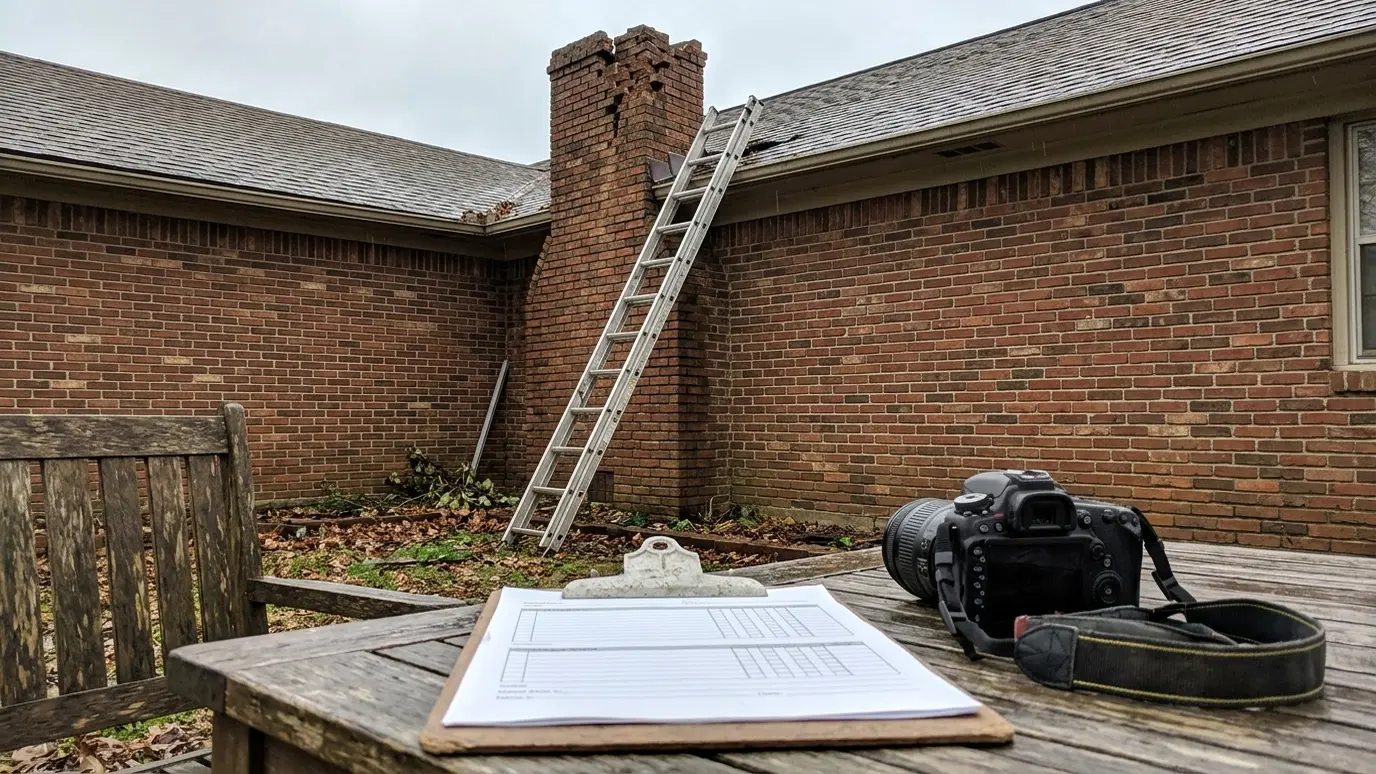 Insurance and Storm DocumentationDated photos and a plain written description of chimney damage, ready for you to share with your insurance…Explore
Tell us about the project and we will call you back to talk it through.
Or call (615) 357-7797 to talk now.