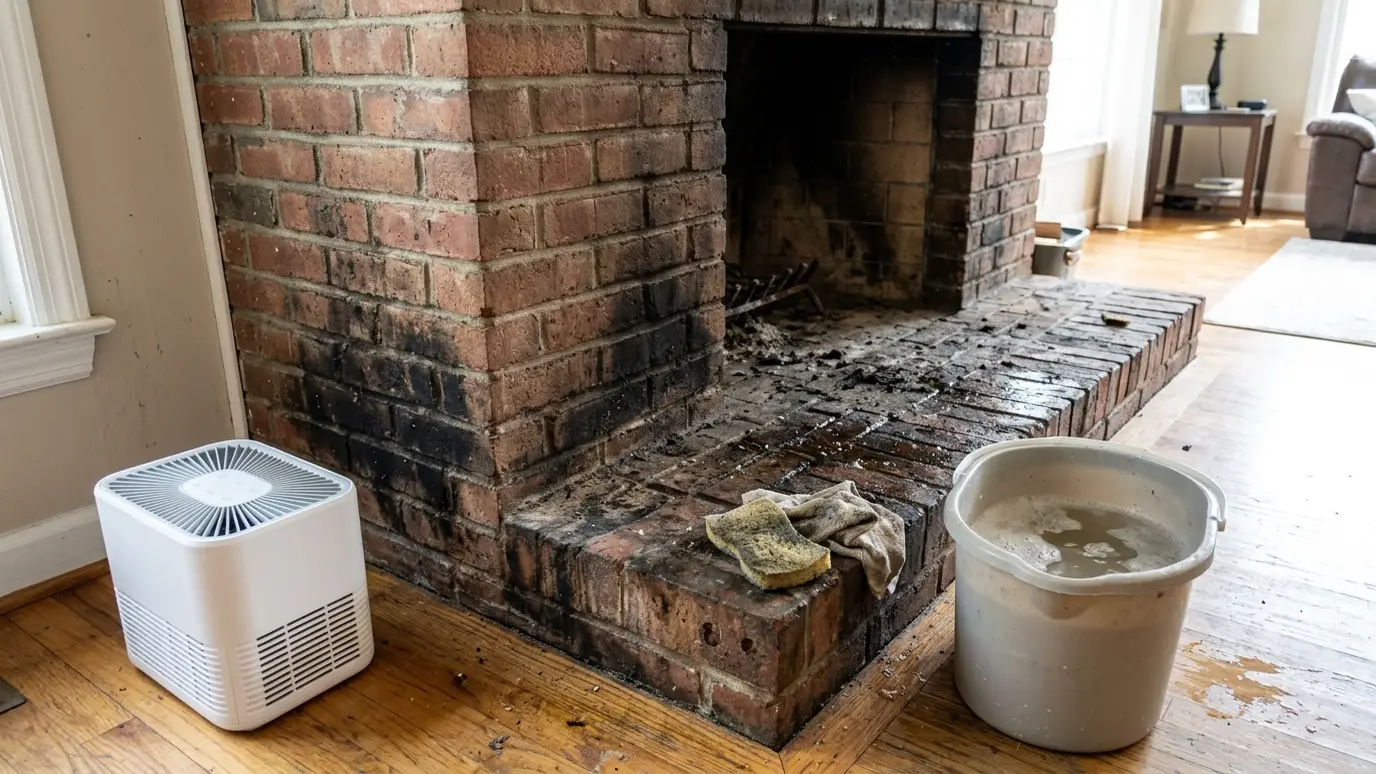
Smoky smells and soot stains traced to their source and treated, so the room smells fresh and the fireplace looks clean again.
A fireplace that smells when it is not in use is trying to tell you something. Often the cause is old creosote that gives off a sharp, campfire-and-tar smell when humid air rises through the flue. Sometimes it is damp soot, a leaking crown, a downdraft or an animal. Treating the smell without finding the cause only covers it for a few days.
We begin by tracing the odor. We look at the flue, the damper, the smoke chamber and the cap and ask when the smell is strongest. Then we clean what is causing it, seal what is letting air or water in and treat the surfaces. For soot stains on the surround, we use methods suited to the brick, stone or paint so the cleaning does not make things worse.
Creosote, wet soot, a leaking crown, a missing cap and a downdraft each cause odors in different ways. We look at all of them before we decide.
The most effective way to remove a chimney smell is to clean the flue and firebox where the deposits sit. Sprays and fresheners help a little but do not last.
A tight damper, a cap with a good seal and a sound crown help stop moist air from carrying odors into the house.
Light soot stains clean up well. Deep stains in porous materials may need more steps, and we are honest about what to expect.
Drag the handle to compare.
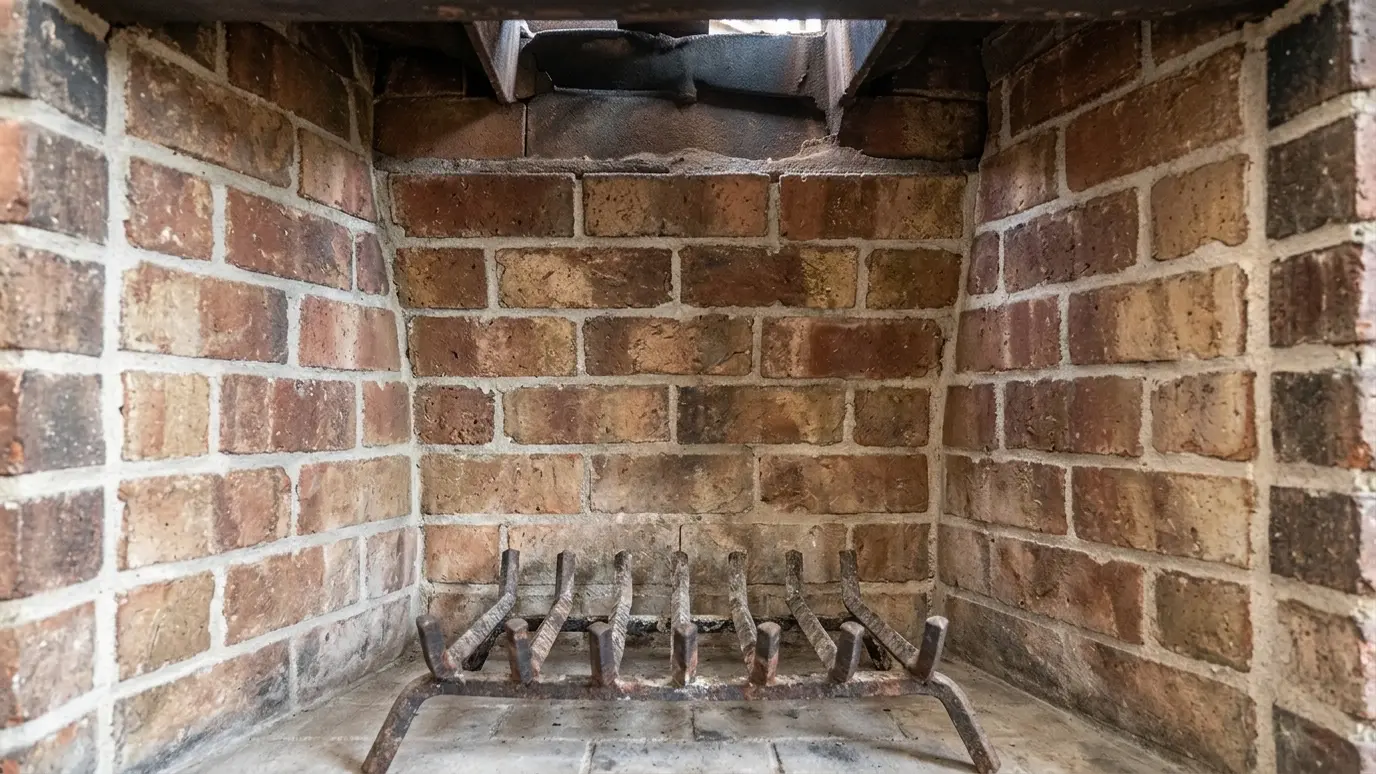
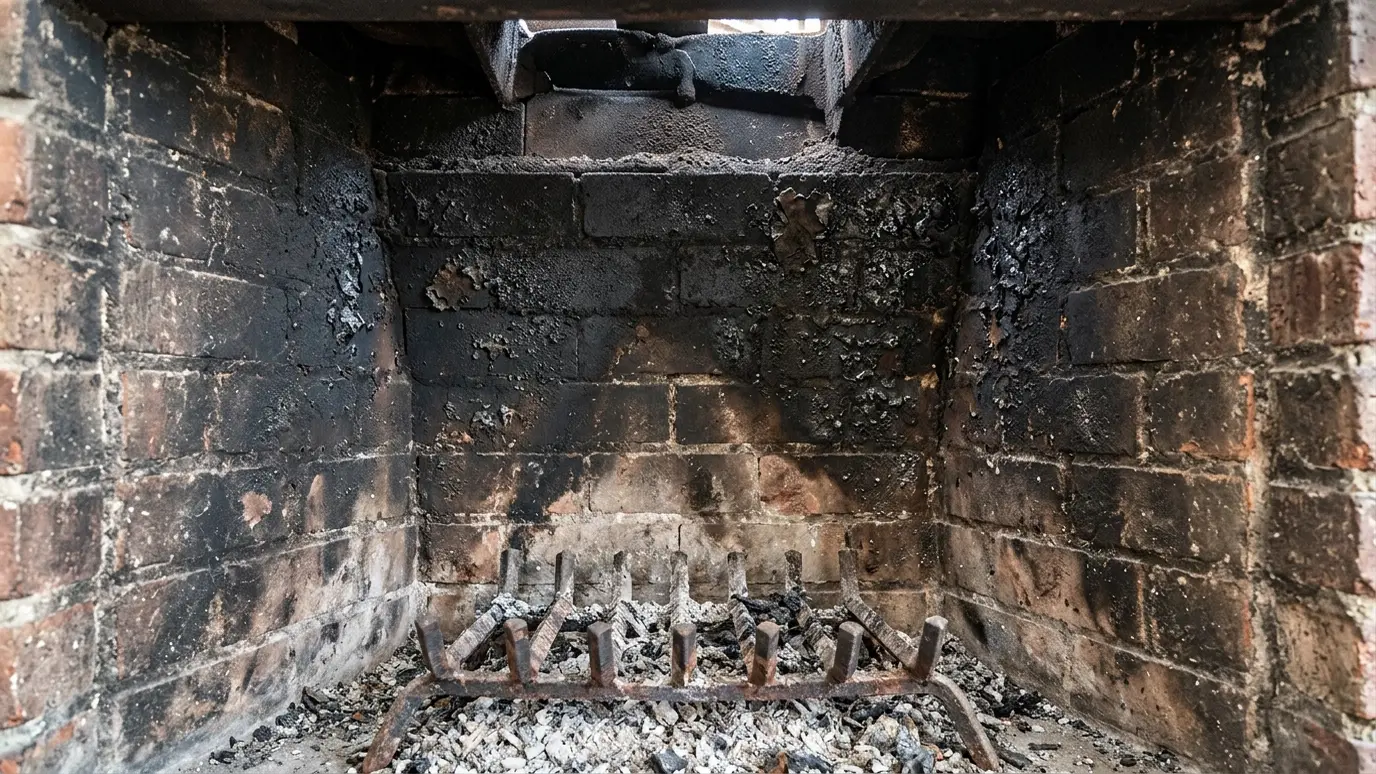 BeforeAfter
Not just covered up.
Flue and firebox.
Dampers and caps checked.
Methods matched to material.
Smell gone, not hidden.
On what is possible.
Every topic has its own page with what to expect and how we approach it.
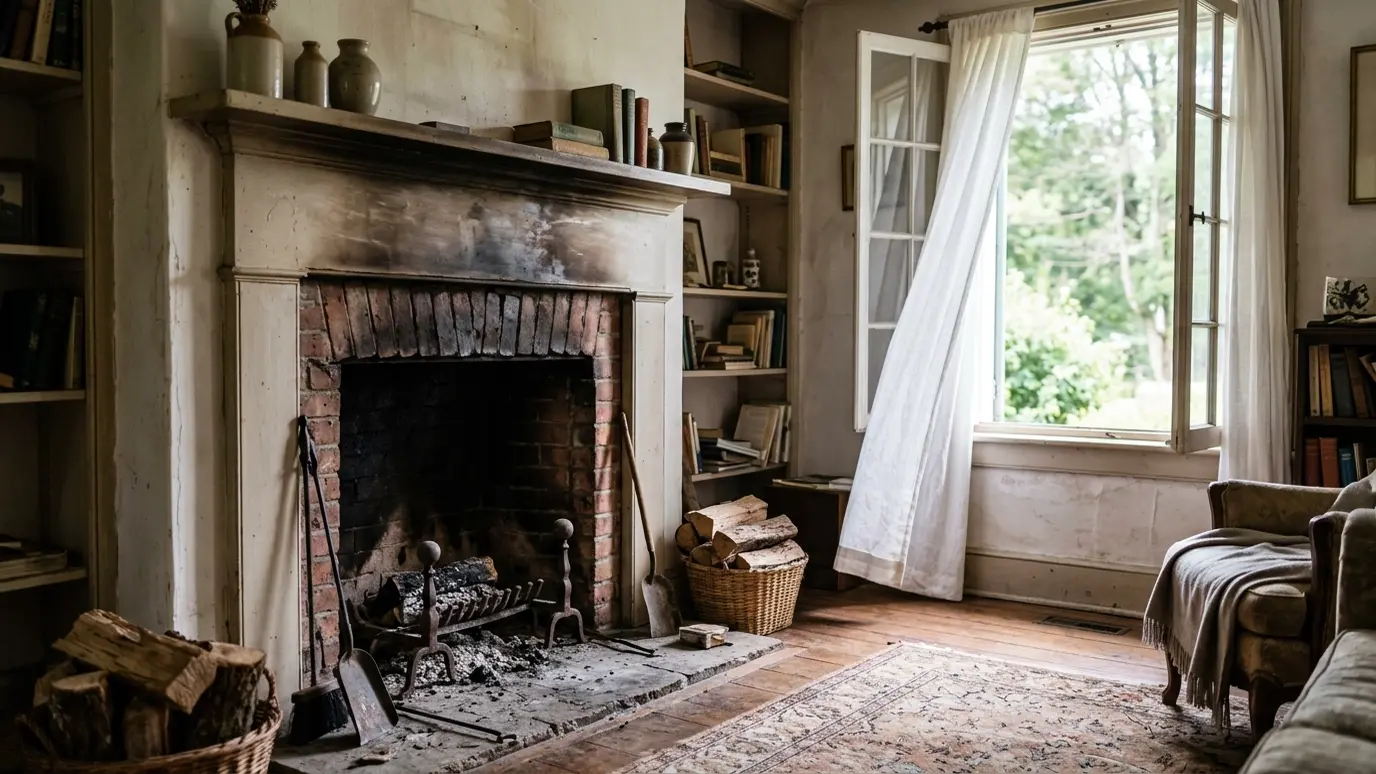 Project situationSmoke and Odor ProblemsSmoke in the room or a smoky smell in summer both have causes. Here is how we find…Learn more
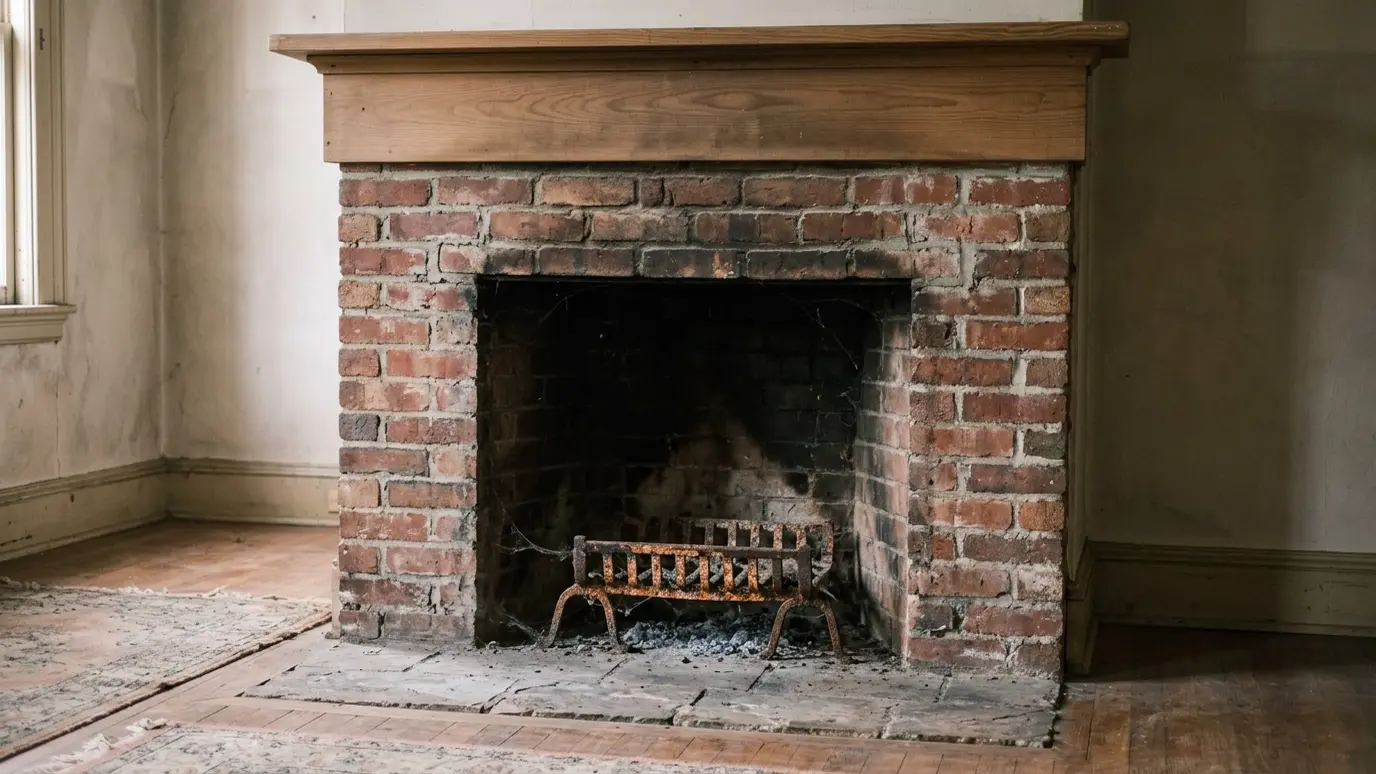 Project situationUnused FireplacesA fireplace that sat cold for years can heat the home again. Here are the steps and the…Learn more
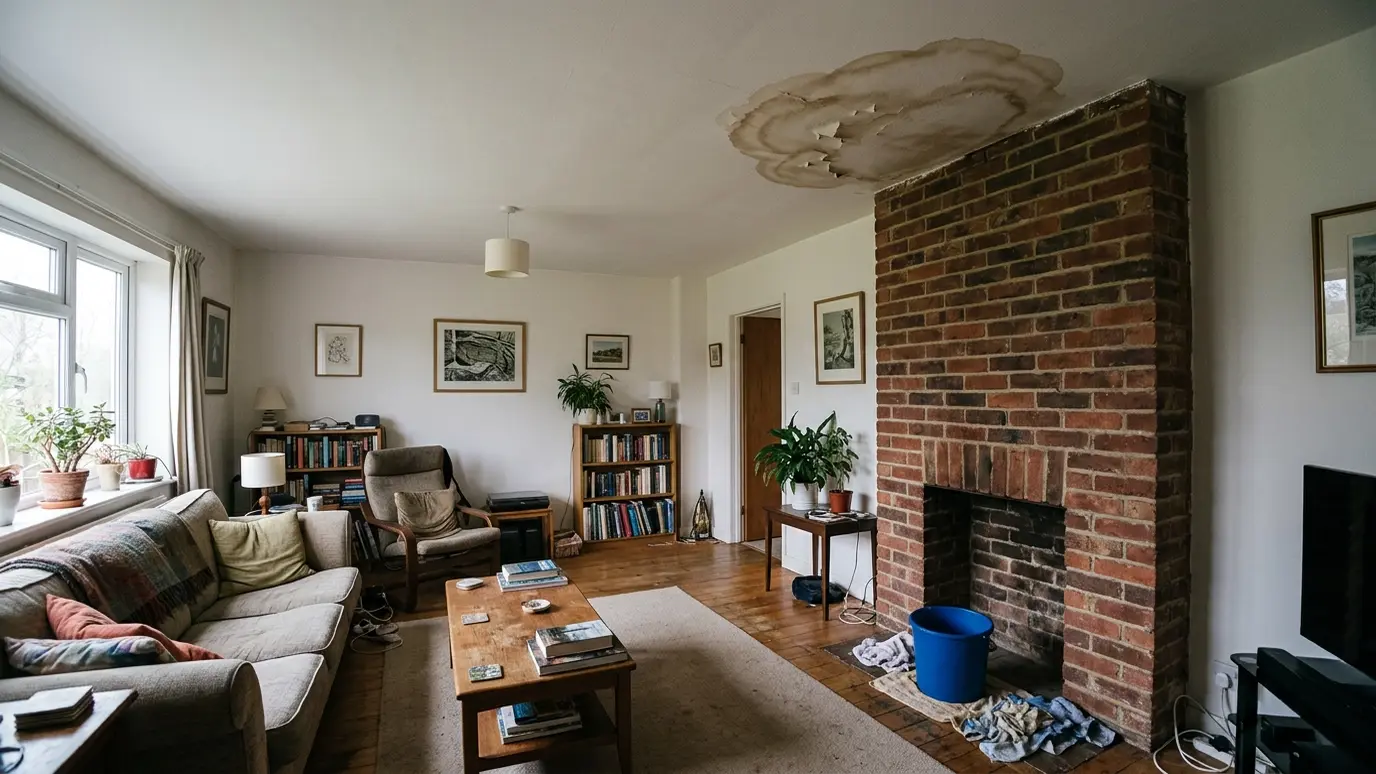 Project situationLeaks and Water DamageWater finds every weakness in a chimney. Here is where leaks come from and how they are stopped.Learn more
Tell us what you burn and how often to see when your chimney should be swept and inspected.
You tell us about the chimney, fireplace or stove and what you have noticed, and we set a visit that fits your day.
We look closely at the chimney, inside and out, ask how you use it and take photos of anything of note.
We explain what is urgent, what can wait and what is optional, and give you a written scope and options.
We lay drop cloths, seal the firebox and protect the roof and landscaping before any work begins.
We sweep, repair or install with the right tools and materials, checking our work as we go.
We clean up, show you what we did, share tips and set a reminder for your next visit.
Humid air carries the odor of old creosote down the flue. A clean flue and a good seal help a lot.
Often yes. It keeps humid air and odors from coming down. See our page on top sealing dampers.
Often yes. Results depend on how deep the stain is and what the material is.
Yes. A nest or a trapped animal can smell, and we can check and remove it.
Usually it is a nuisance, but a smell with smoke or soot in the room should be checked right away.
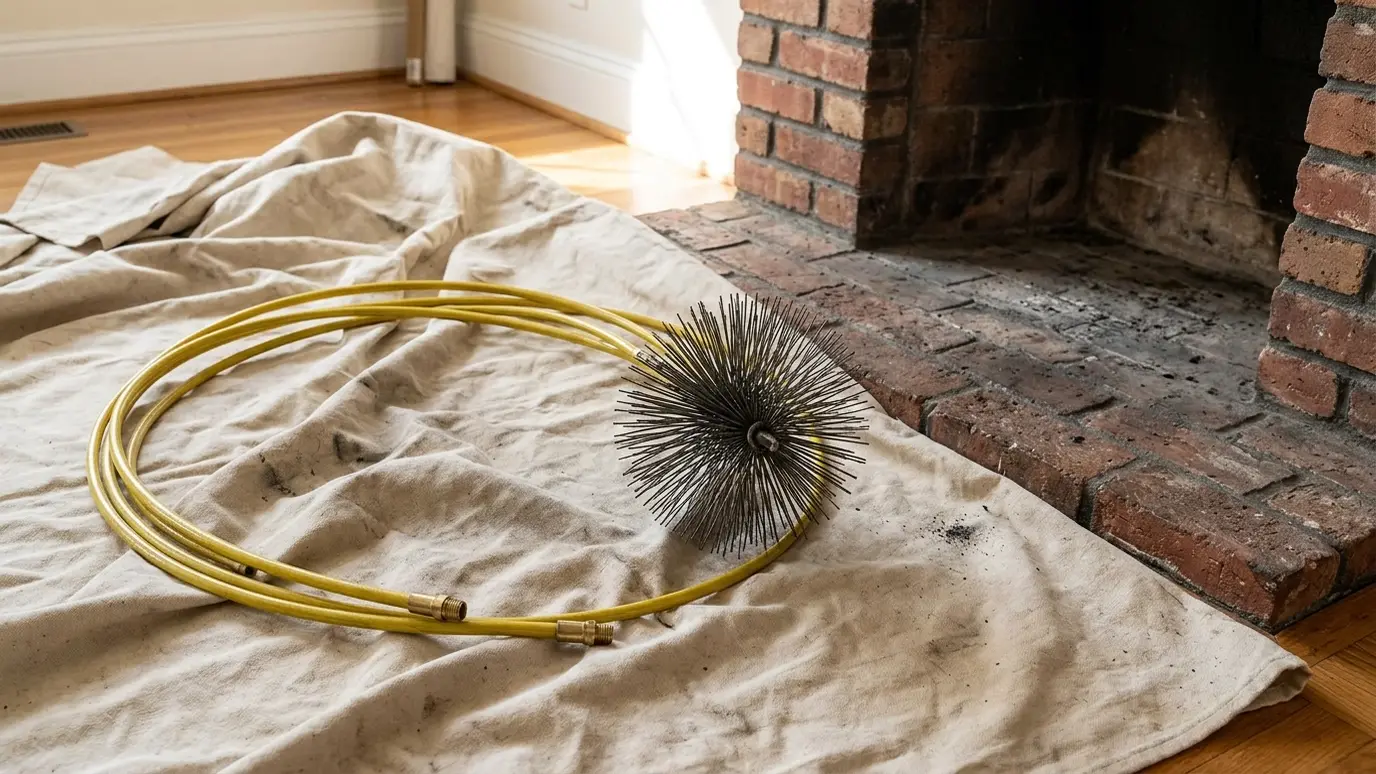 Chimney Cleaning and SweepingA tidy, thorough sweep that removes soot and creosote from the flue, smoke chamber and firebox so every…Explore
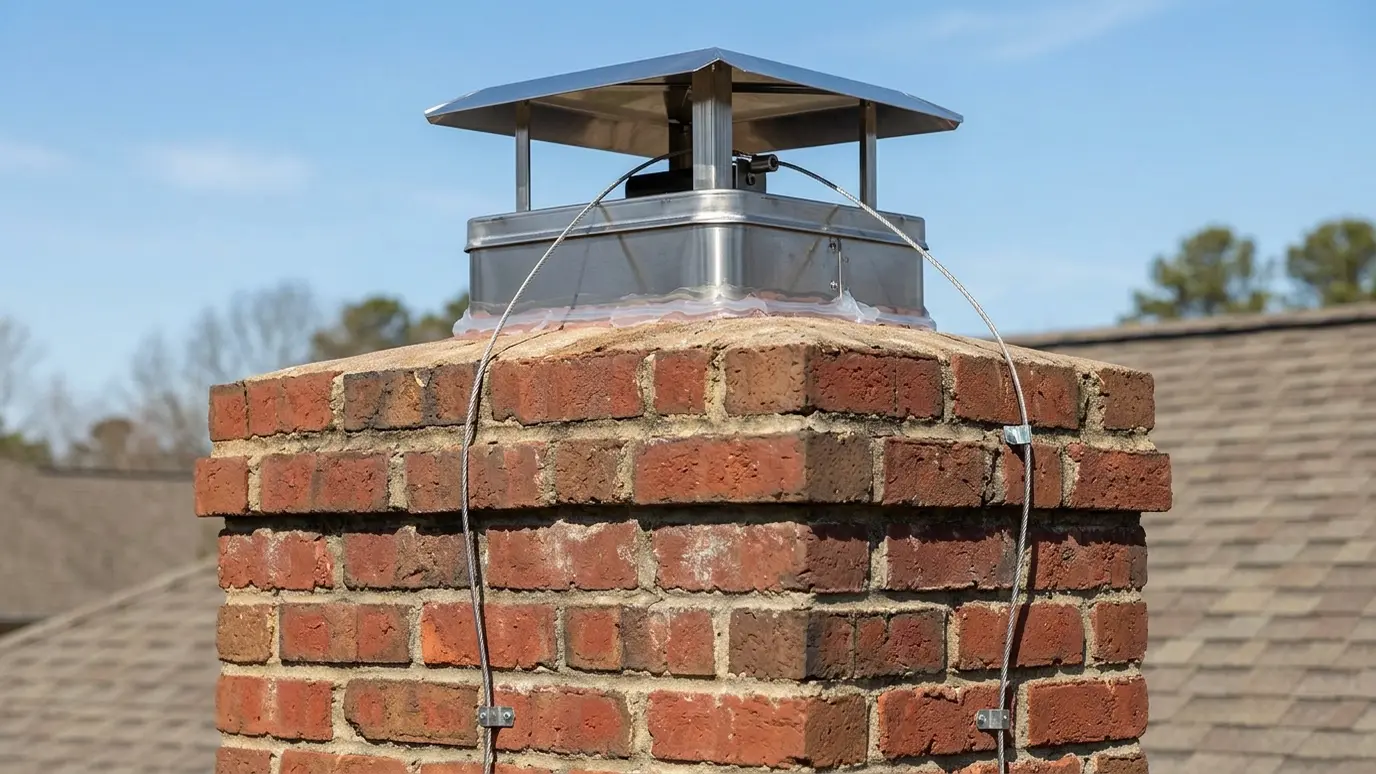 Top Sealing DampersA silicone-sealed damper at the top of the flue stops drafts, moisture and animals, and it doubles as…Explore
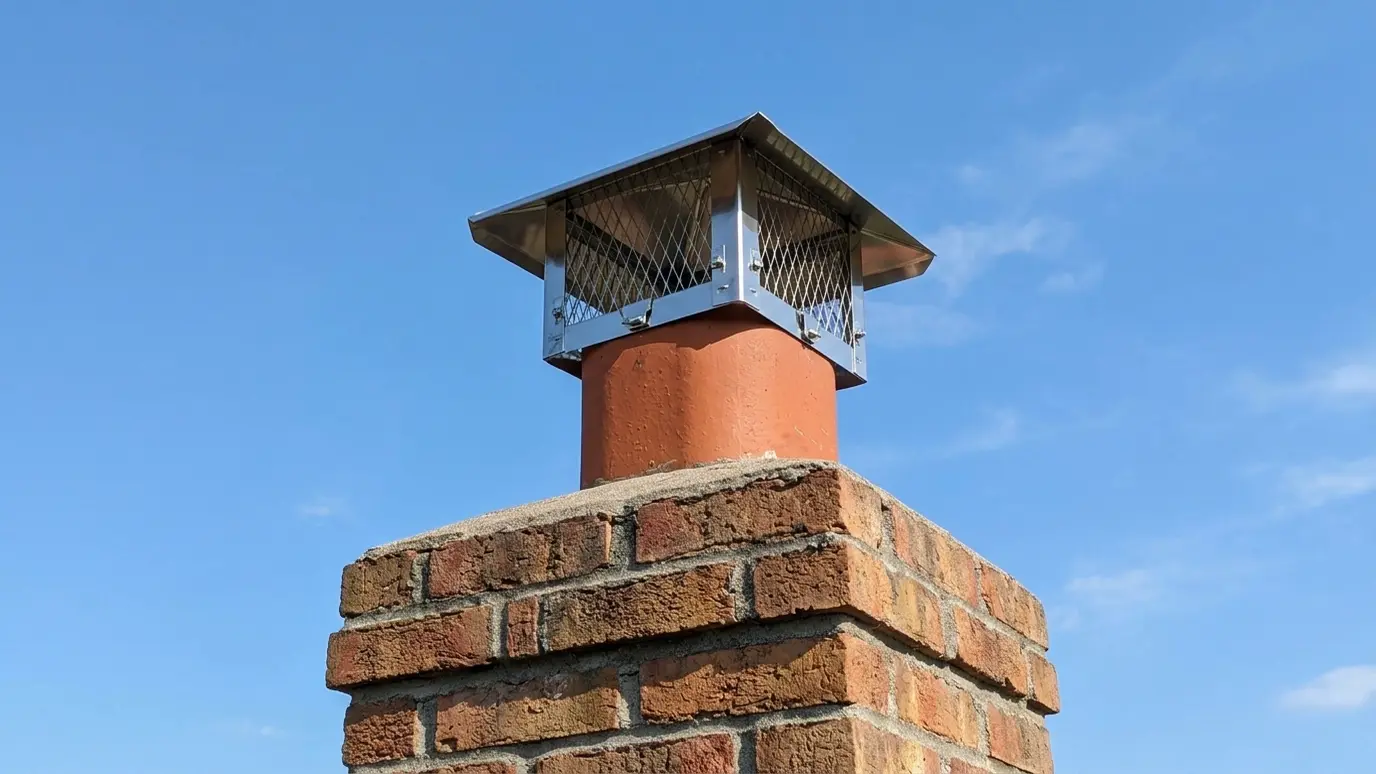 Chimney Cap InstallationA well-fitted cap with mesh screening that keeps out rain, animals, leaves and sparks while letting smoke escape…Explore
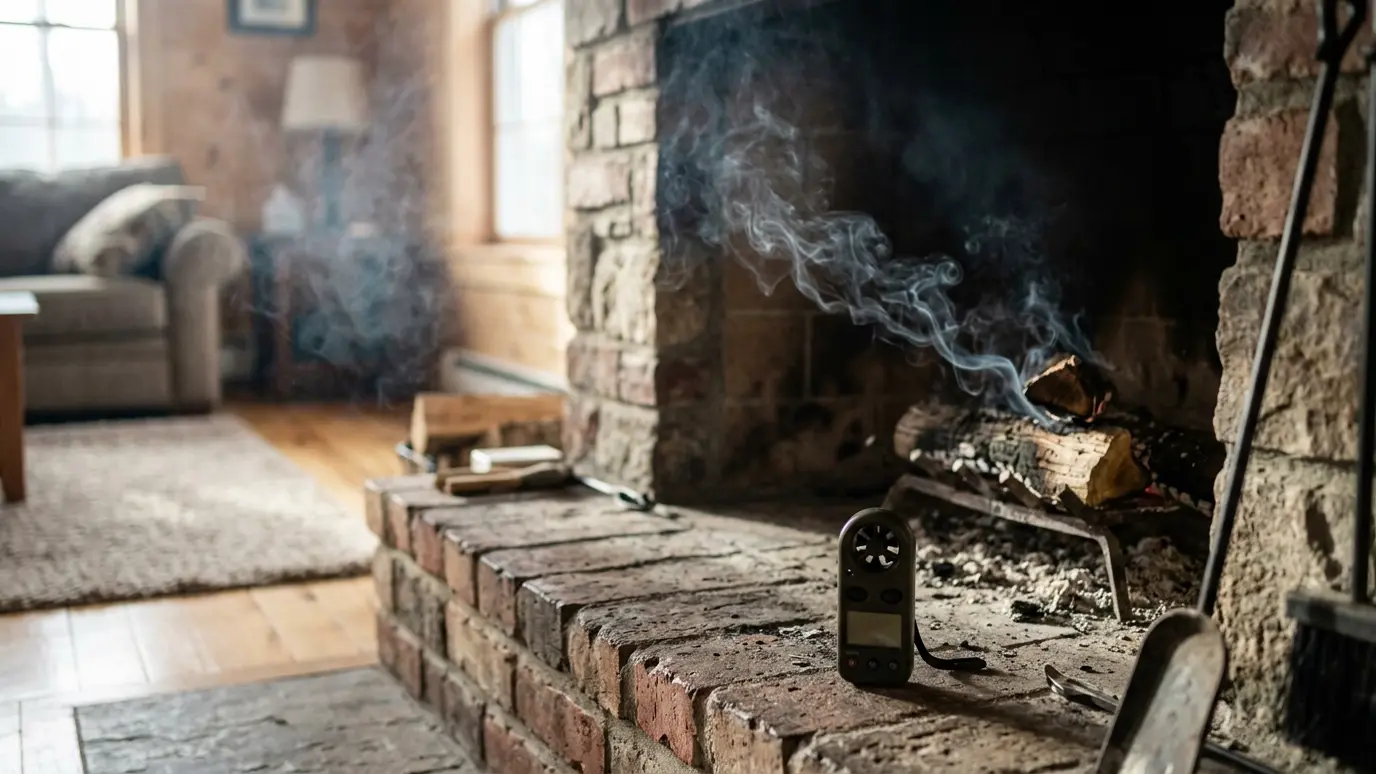 Draft and Smoke DiagnosisA fireplace that smokes, a stove that will not draw or a chimney that pulls cold air down…Explore
Tell us about the project and we will call you back to talk it through.
Or call (615) 357-7797 to talk now.