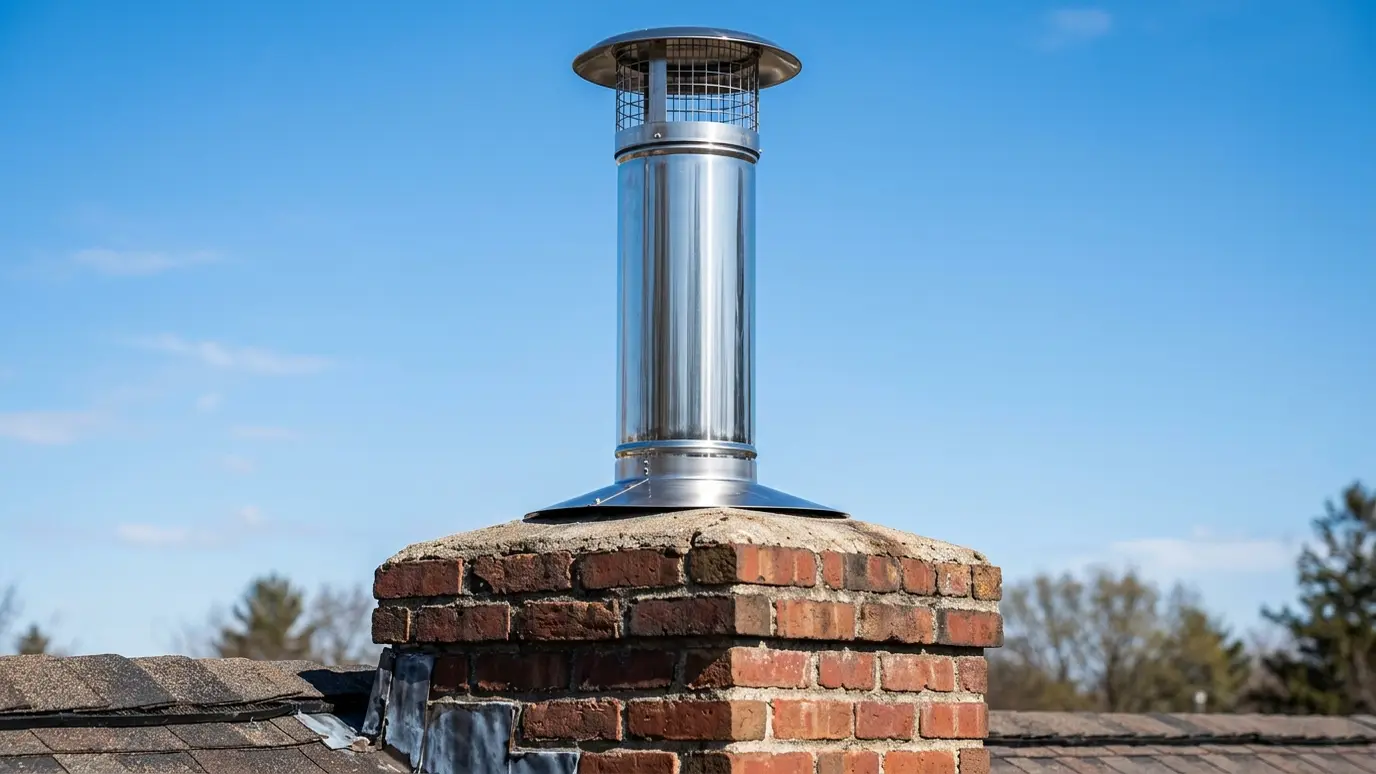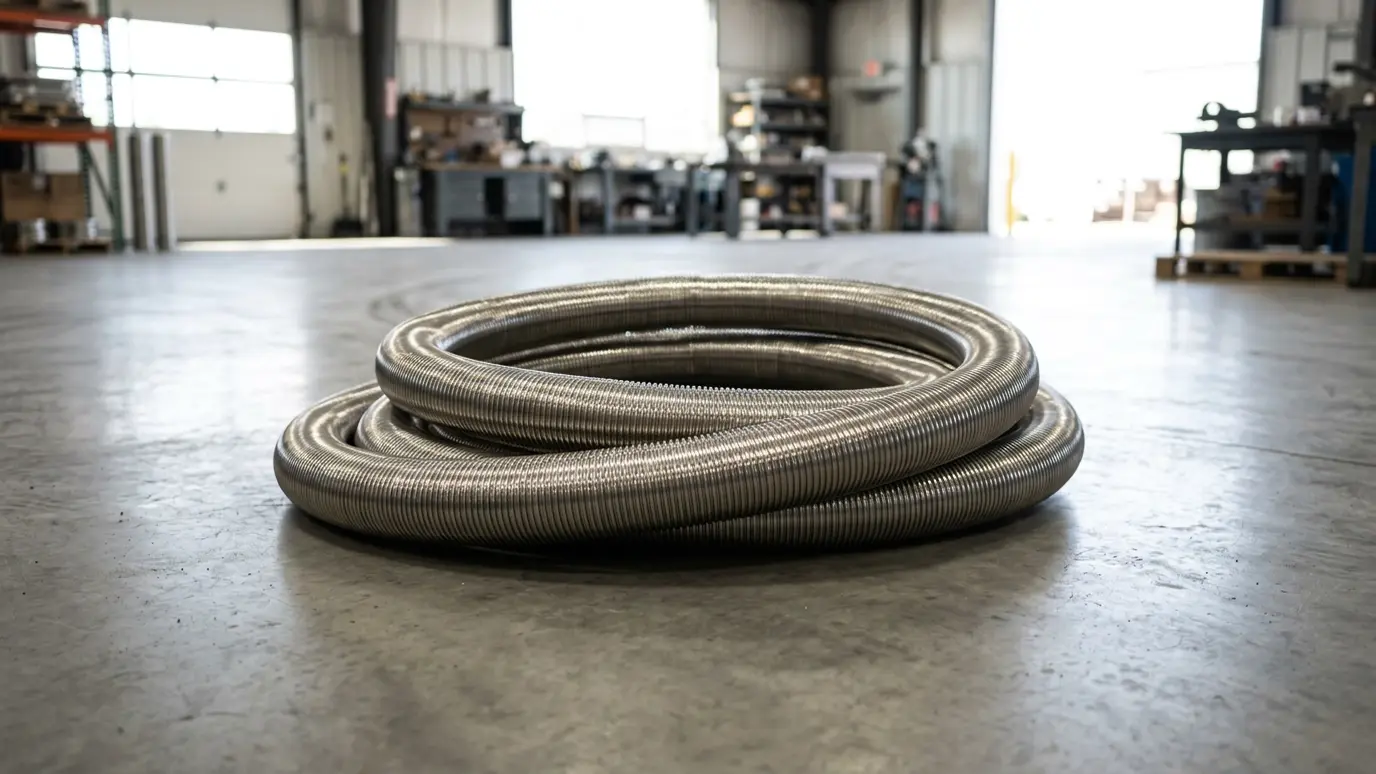
Stainless liners are the standard way to make an old chimney safe. Here is how they work.
A stainless steel liner is a pipe, usually flexible, that runs the full length of the flue. It gives smoke a smooth, sealed, correctly sized path and protects the masonry from heat and acid. It is the most common way to fix a damaged flue and the usual partner for a stove or insert.
Liners come in different grades and thicknesses for different fuels, and they can be wrapped in insulation for better draft. The key to a good liner is matching it to the appliance and installing it with tight connections and a good top plate.
Smoke stays in the flue.
Better draft.
Less creosote.
From heat and acid.
Flexible options.
Decades.
Take the quiz, check a problem or ballpark a budget.
 Which Fireplace or Stove Do I Need? QuizAnswer five questions about your home and your goals and see the fireplace, stove, insert or gas option that fits best.Try it
 Chimney Problem CheckerPick what you see or smell to learn what it may mean and how urgent it is.Try it
 Chimney Budget PlannerPick a project and a size and get a ballpark planning range.Try it
Quality liners often last decades.
For wood stoves and inserts and for cold chimneys it is a good idea.
It depends on the fuel. We match it to yours.
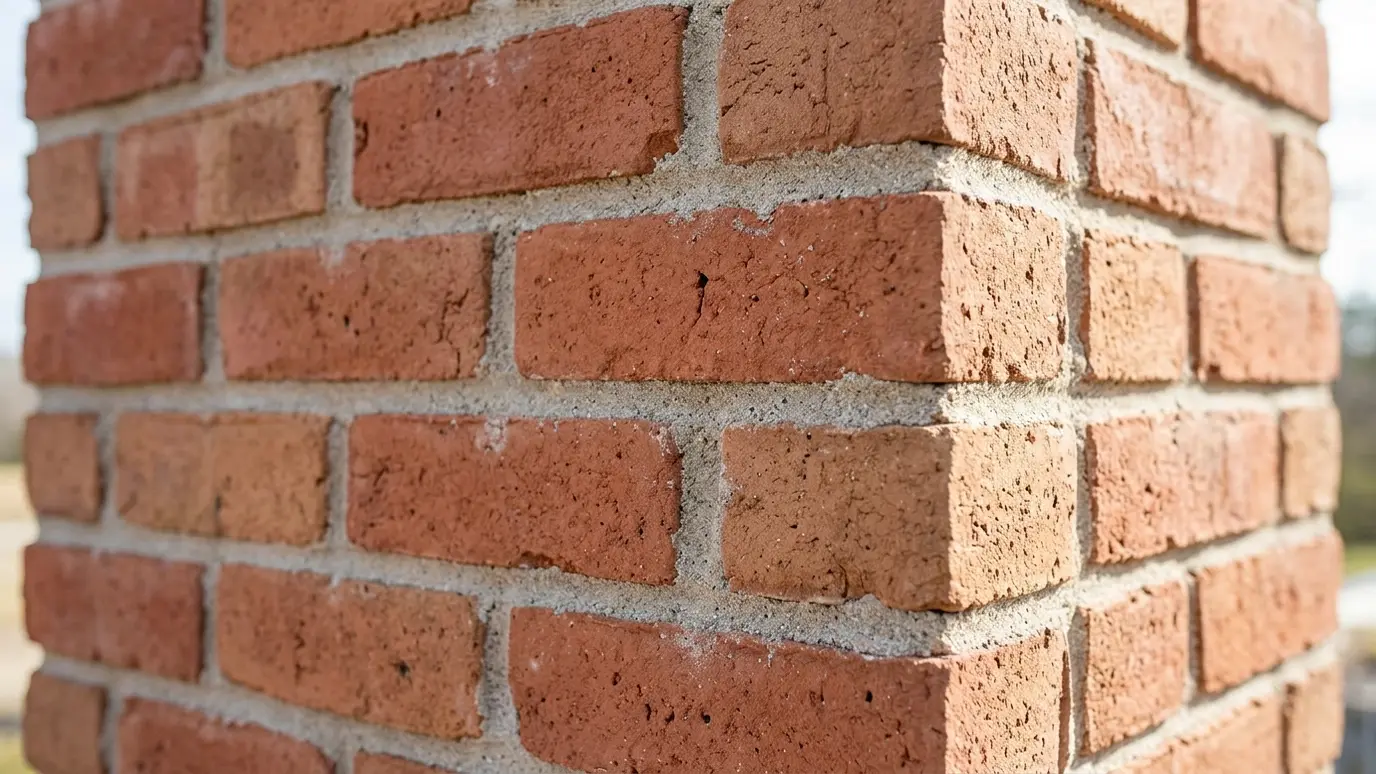 Material guideBrick and MortarBrick and mortar are the classic chimney materials. Here is how they work, wear and are repaired.Learn more
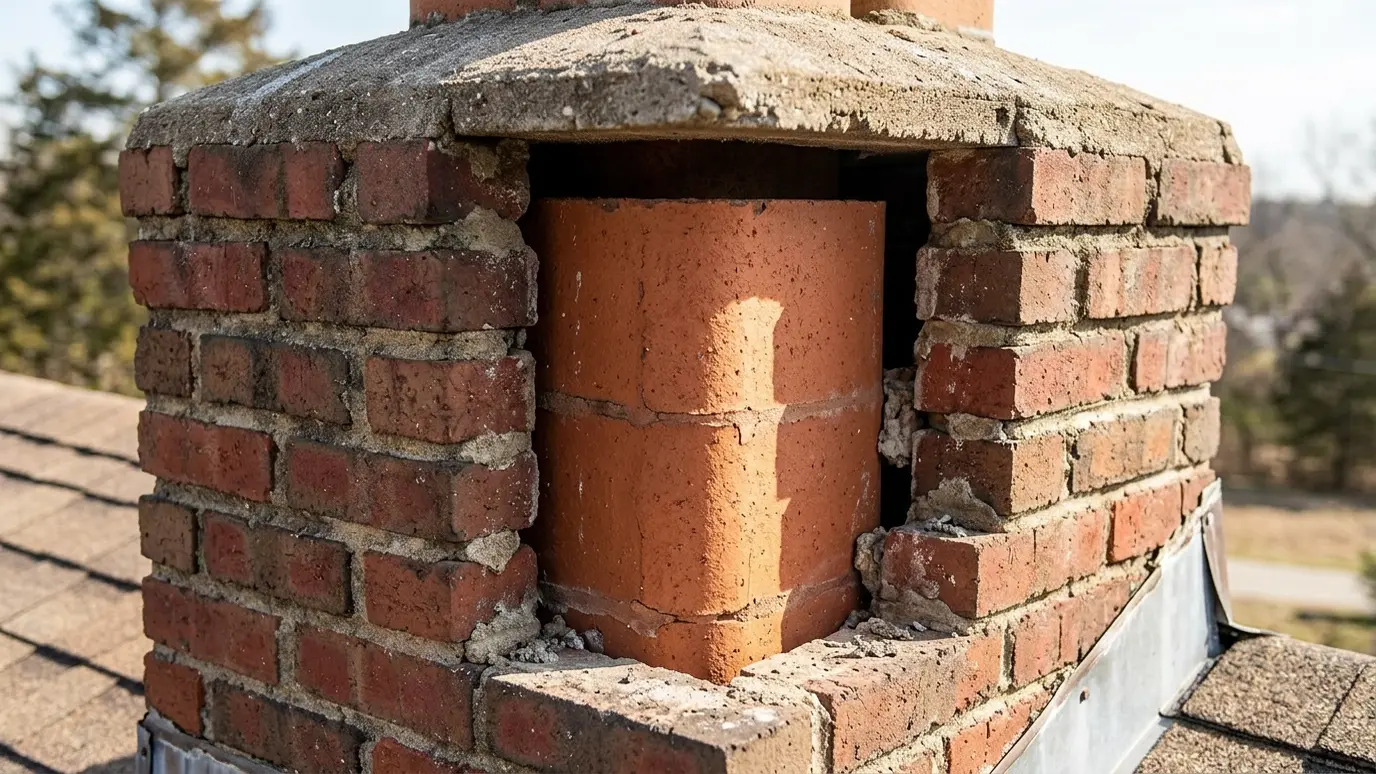 Material guideClay Flue TileClay tile has lined chimneys for a century. Here is what it does well and where it fails.Learn more
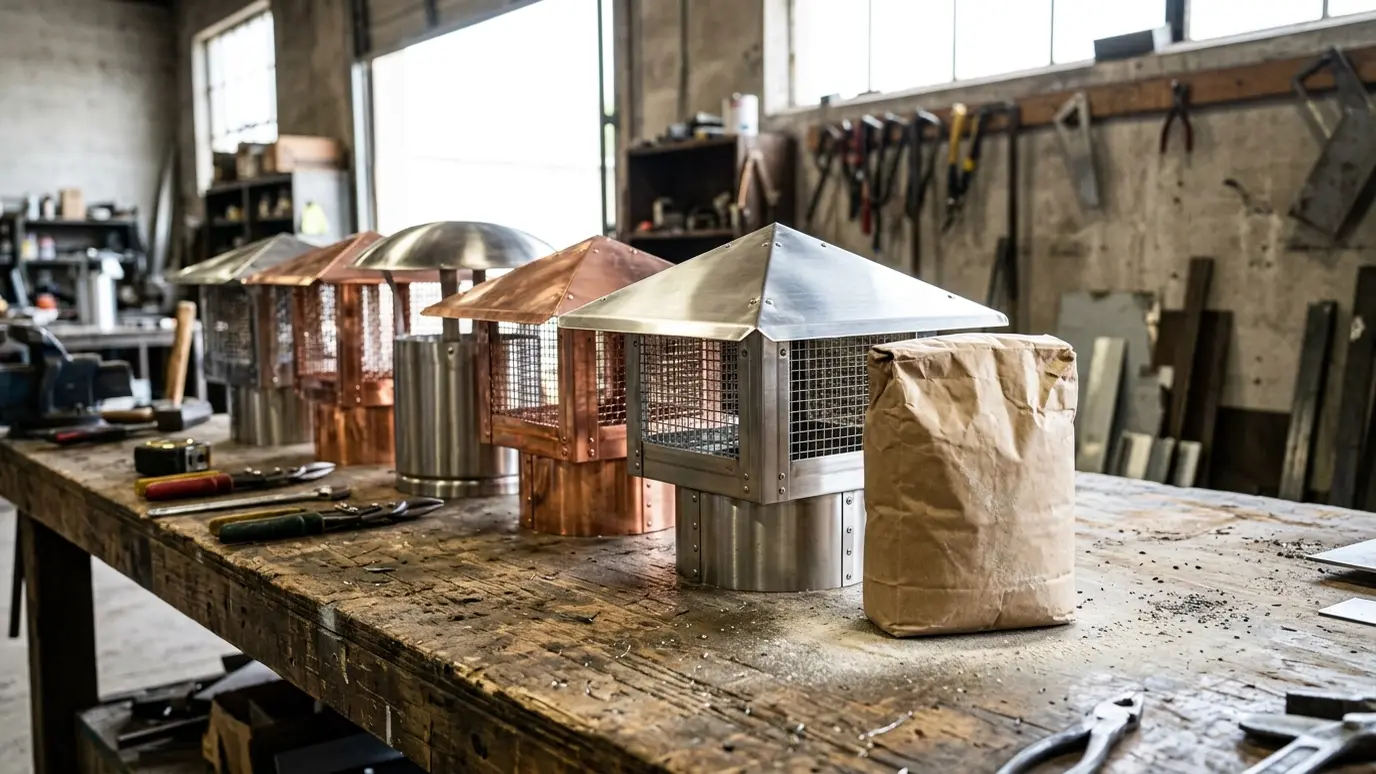 Material guideCaps and CrownsCaps and crowns are the hat and the roof of your chimney. Here is what they do and…Learn more
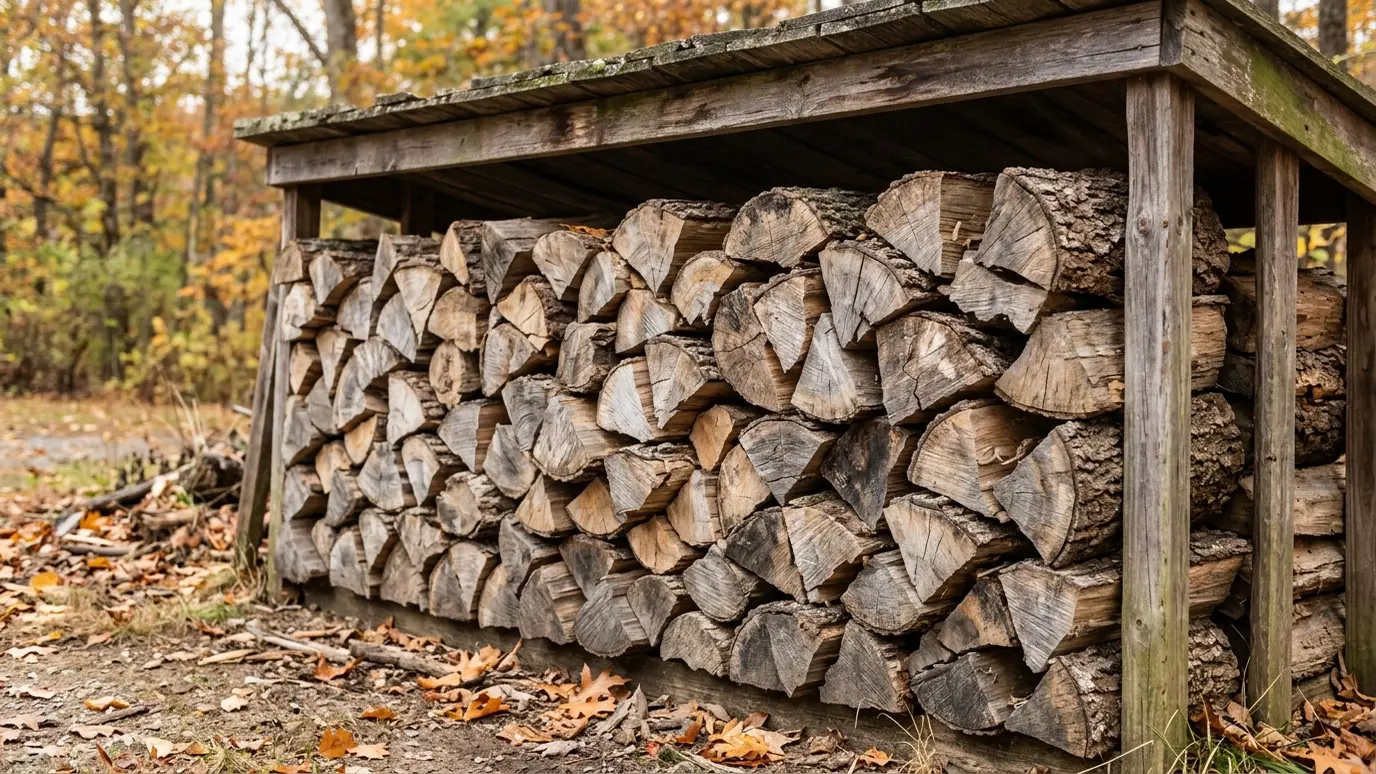 Material guideSeasoned FirewoodWhat you burn decides how clean your chimney stays. Here is how to choose and store firewood.Learn more
Call us and we will visit, look closely at your chimney and give you a clear plan and a written scope.