Cleaning and inspection
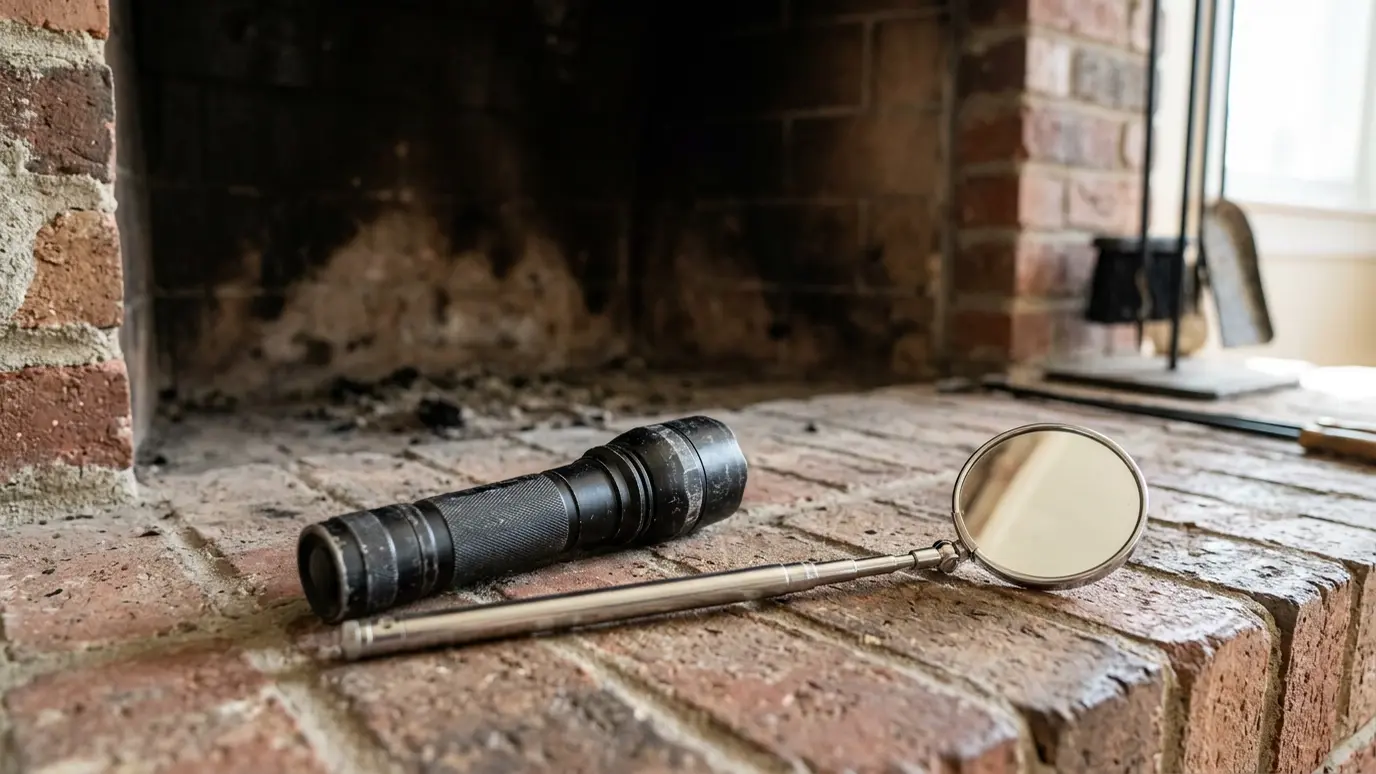
A sweep or a basic inspection is the lowest-cost visit and depends on the number of flues, the height and the amount of buildup. Adding a camera scan adds time and equipment.
Ask what the visit includes, such as photos and a written report, so you can compare like with like.
Repairs
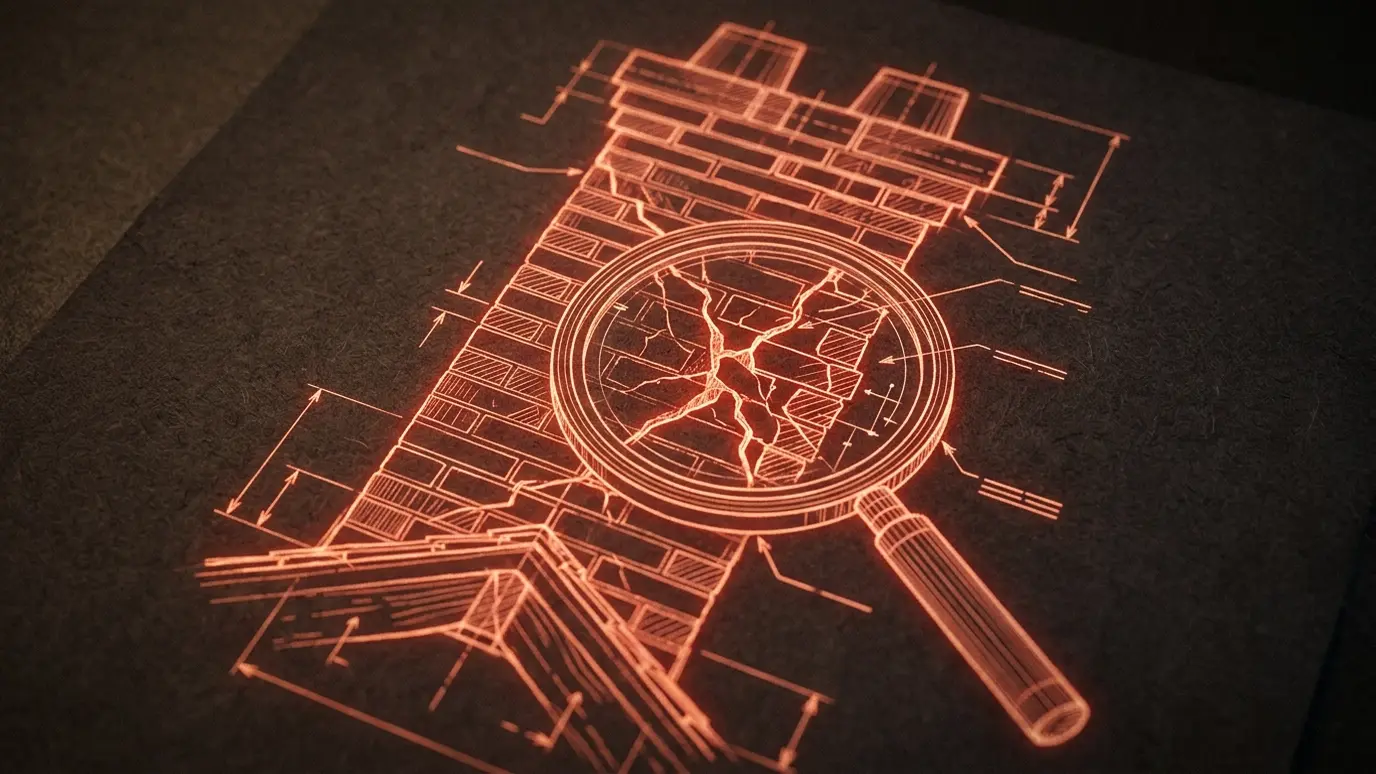
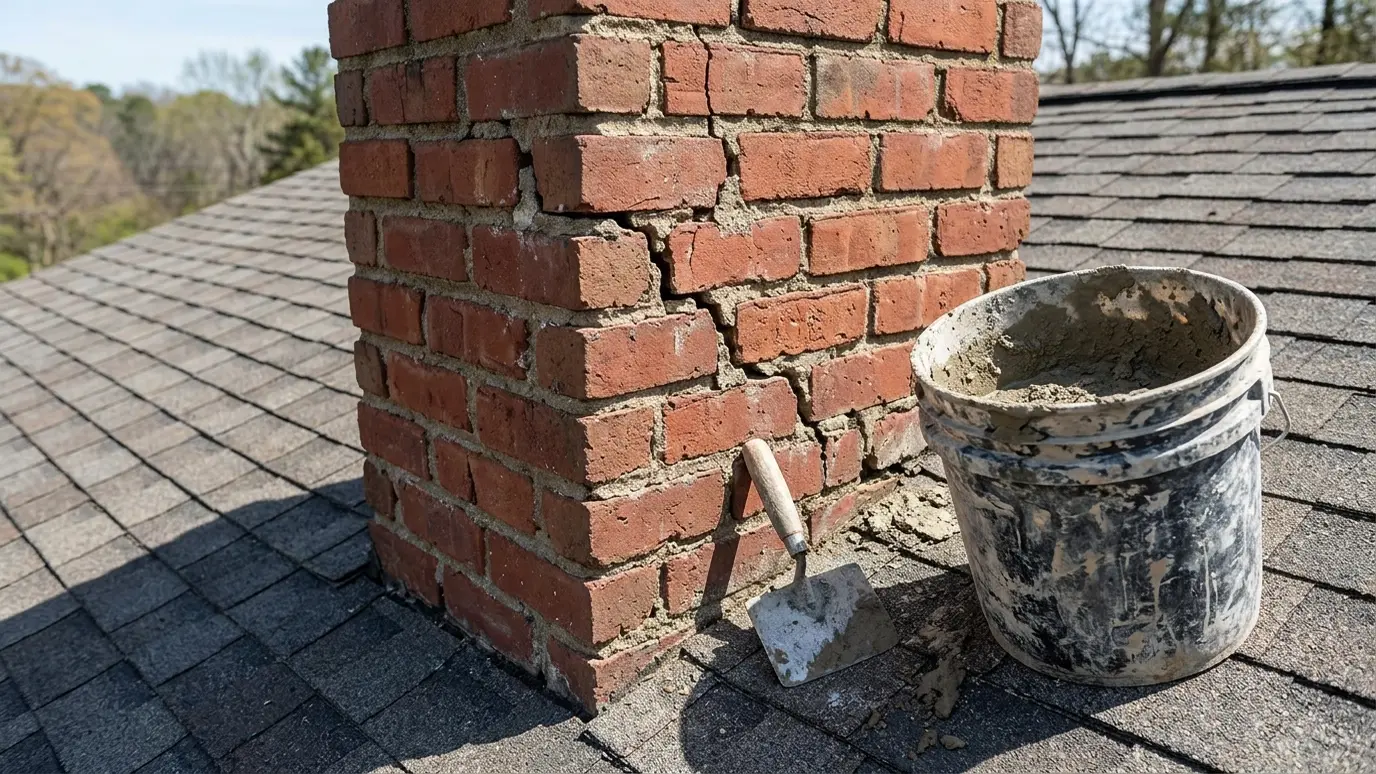
Crown repair, a new cap, flashing and repointing each have a different scope. A small crown seal costs far less than a rebuild, and cost rises with the area of masonry involved.
Ask for the scope in writing and what will be done if more damage is found.
Liners and relining
Liner cost depends on the chimney height, the type and grade of liner, whether it is insulated and the number of bends.
Make sure the liner size matches your appliance, since a wrong size can cause problems later.
Stoves, inserts and gas
The appliance itself is usually the largest cost, followed by the venting and the hearth or surround. Gas lines and electrical work are separate trades.
A clear proposal lists the appliance, venting, hearth, labor and permits separately.
Access and roof
Tall, steep or hard-to-reach roofs take more time and equipment. A chimney in a tight spot can add to the price.
A good proposal notes any access assumptions.
How to compare proposals
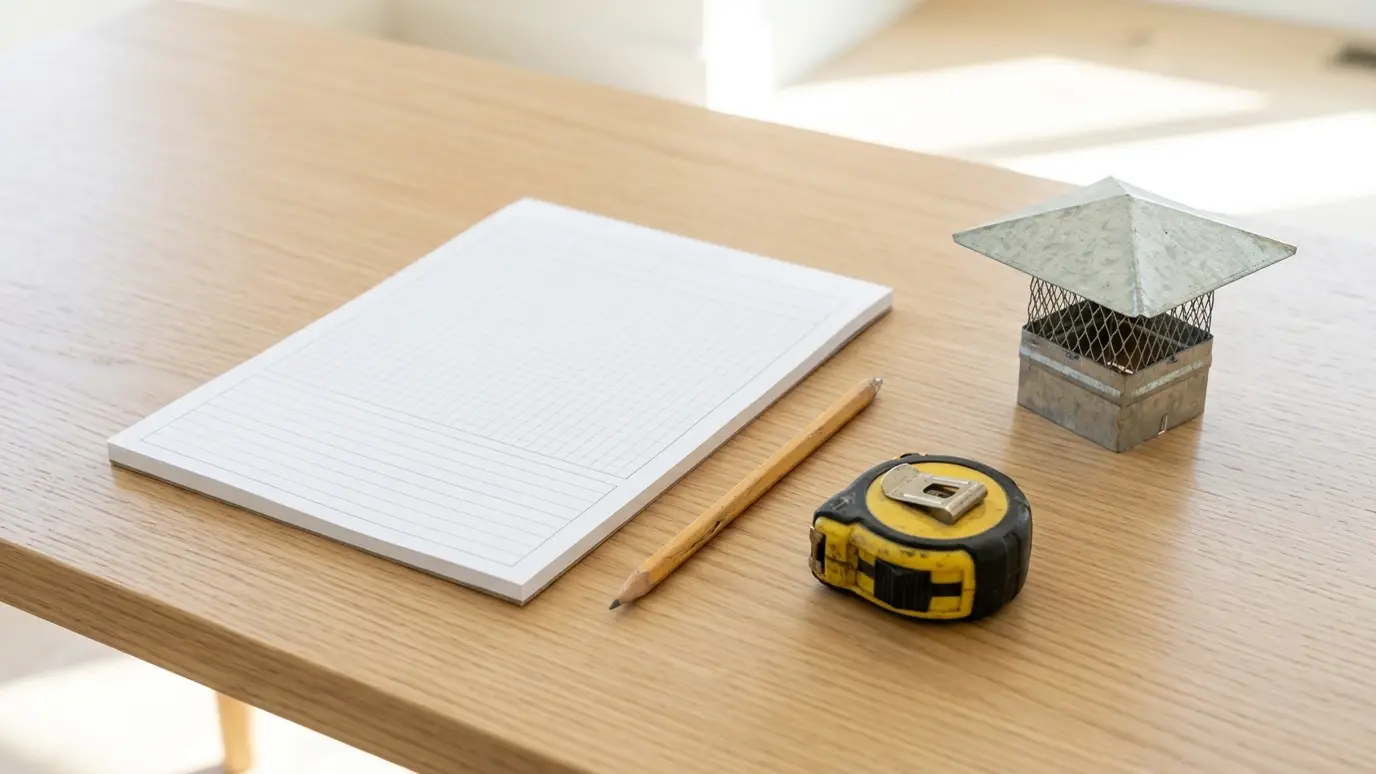
Compare scopes, not only totals: what is included, which materials, whether permits and cleanup are covered and what happens if hidden damage is found.
A clear, itemized proposal is a sign of an organized company.
Compare written scopes, ask what happens if hidden damage turns up and fix small problems early because they cost far less than big ones.