Ambiance
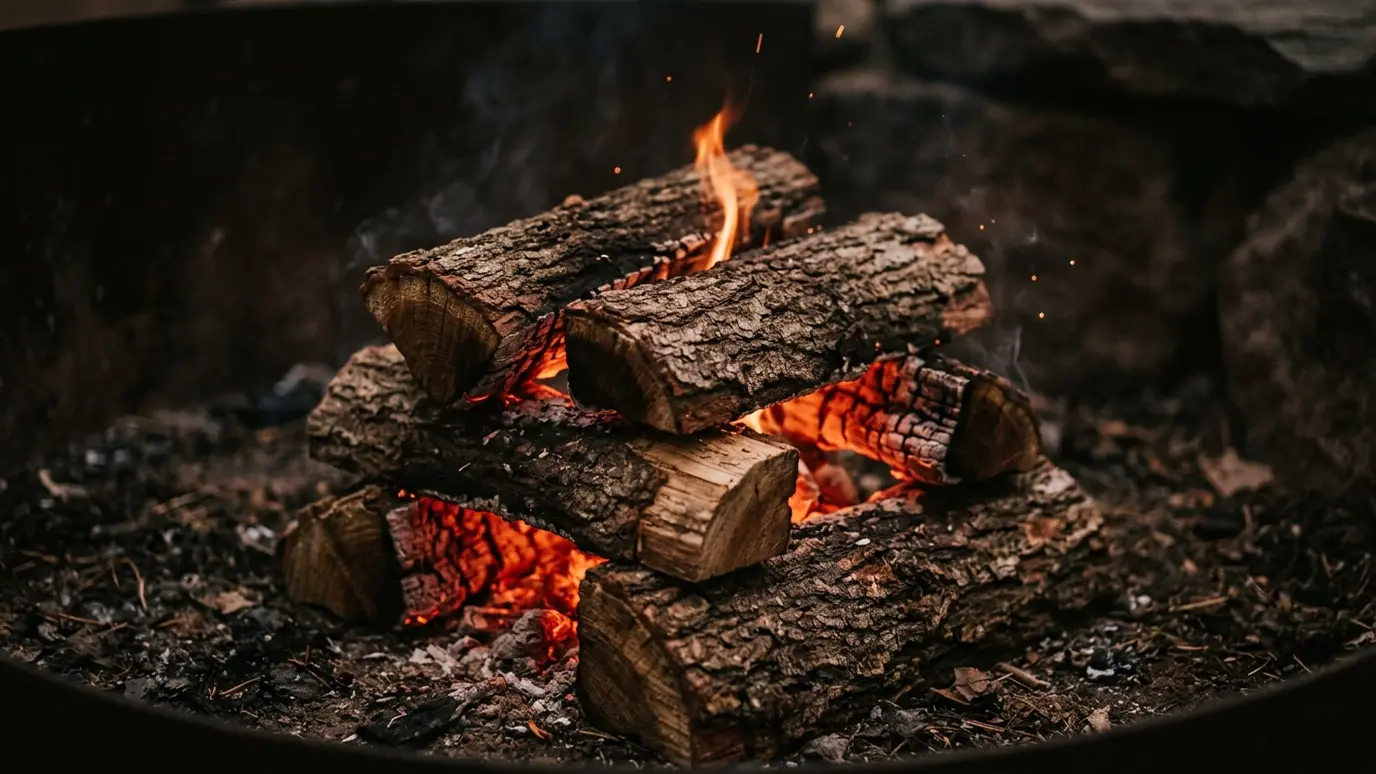
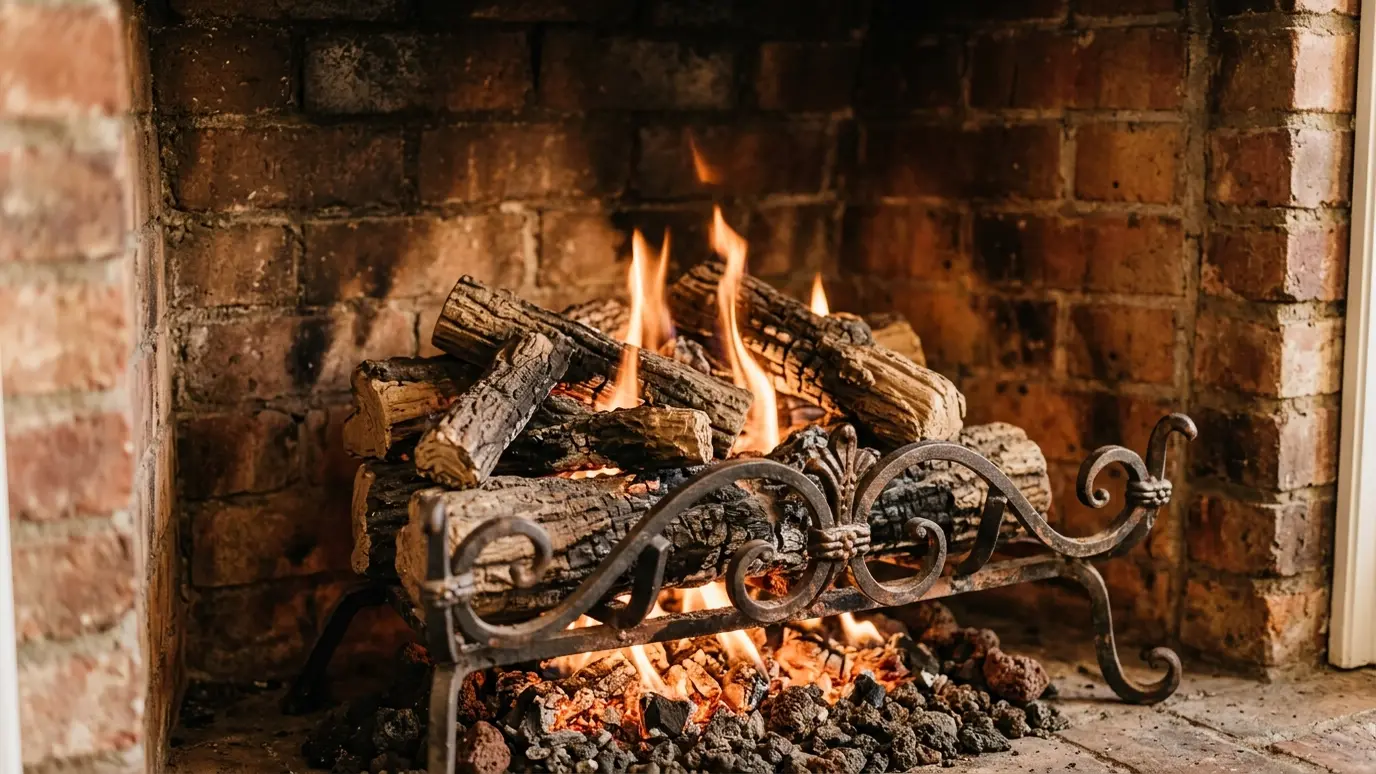
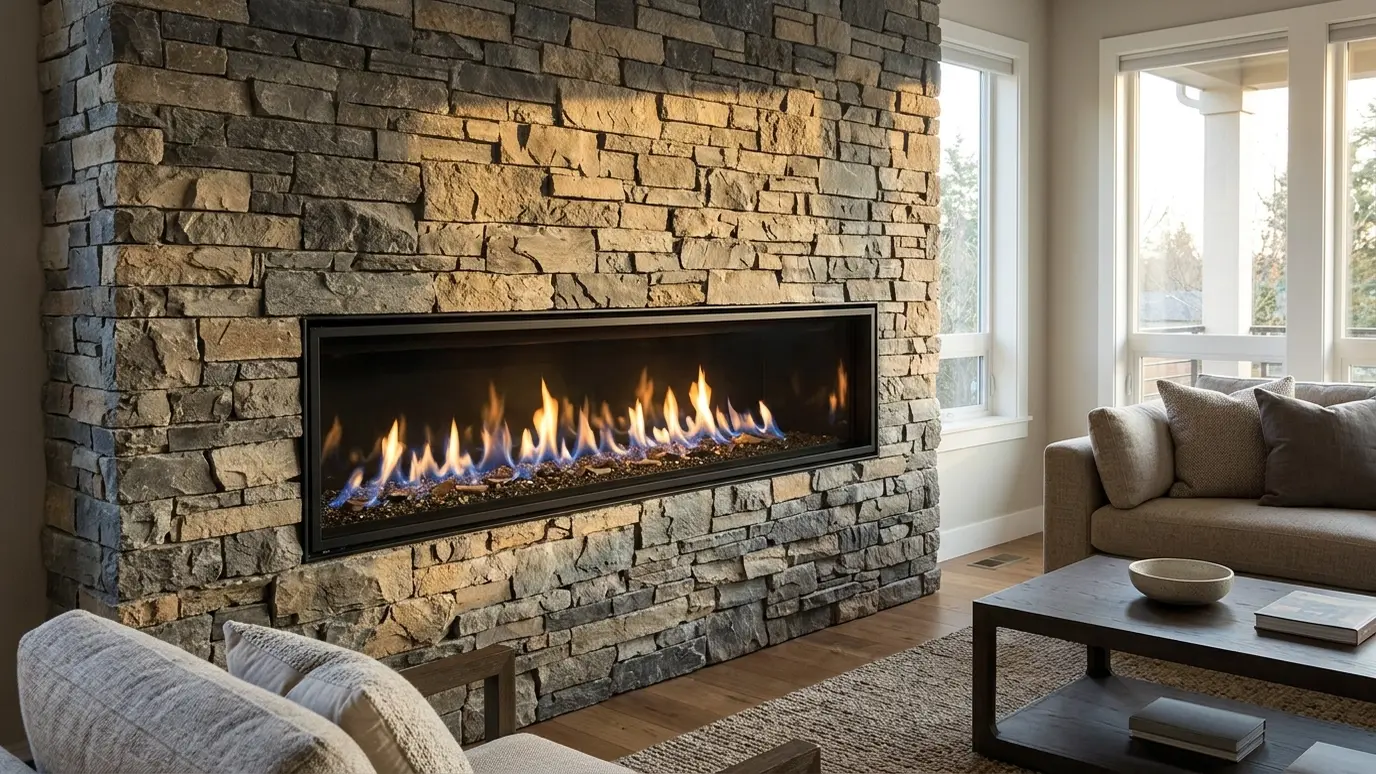
Wood gives crackle, scent and a living flame. Gas gives a steady, tidy flame that is realistic in modern units.
Many people love the ritual of wood.
Heat
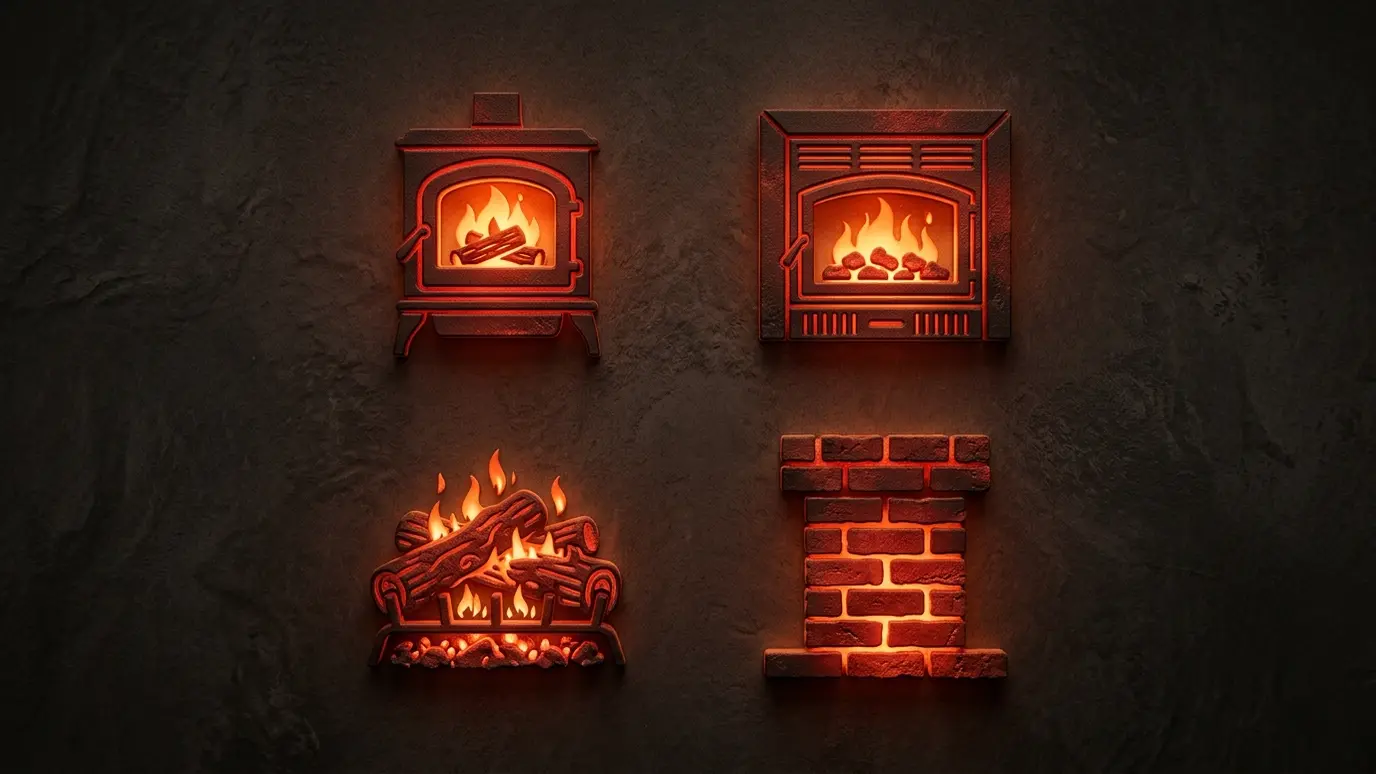
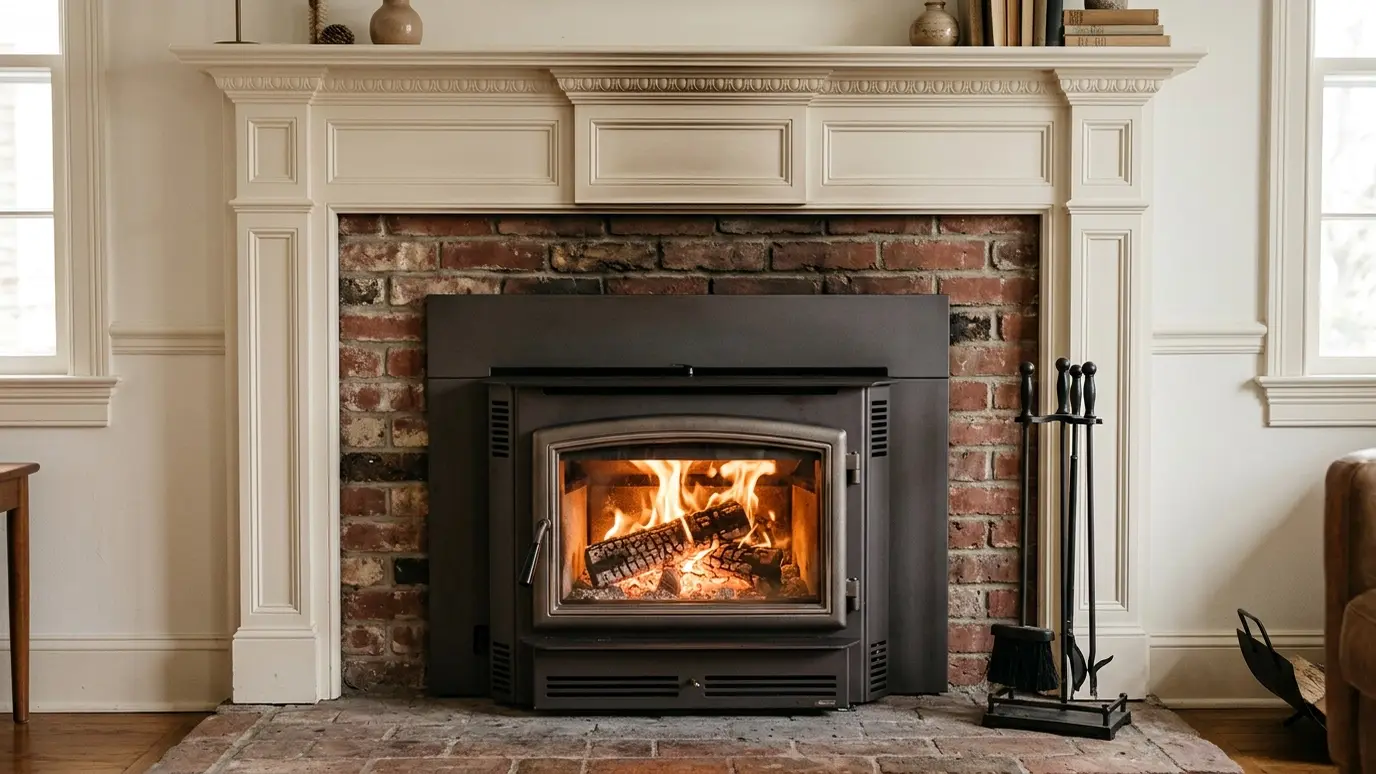
An open wood fireplace loses much of its heat up the chimney. Gas logs give little heat. Inserts and stoves give much more in either fuel.
If heat matters, choose an insert or stove.
Convenience
Gas starts with a switch and stops the same way, with no ash or carrying. Wood needs fuel, a fire to build and ash to remove.
Gas wins on ease.
Upkeep
Wood needs a sweep and an inspection each year. Gas needs a yearly service for the burner, glass and vent.
Neither is no-maintenance.
Safety
Wood makes creosote and sparks. Gas needs a good vent and a carbon monoxide alarm. Both need to be used as designed.
Alarms are important with either.
Conversion options
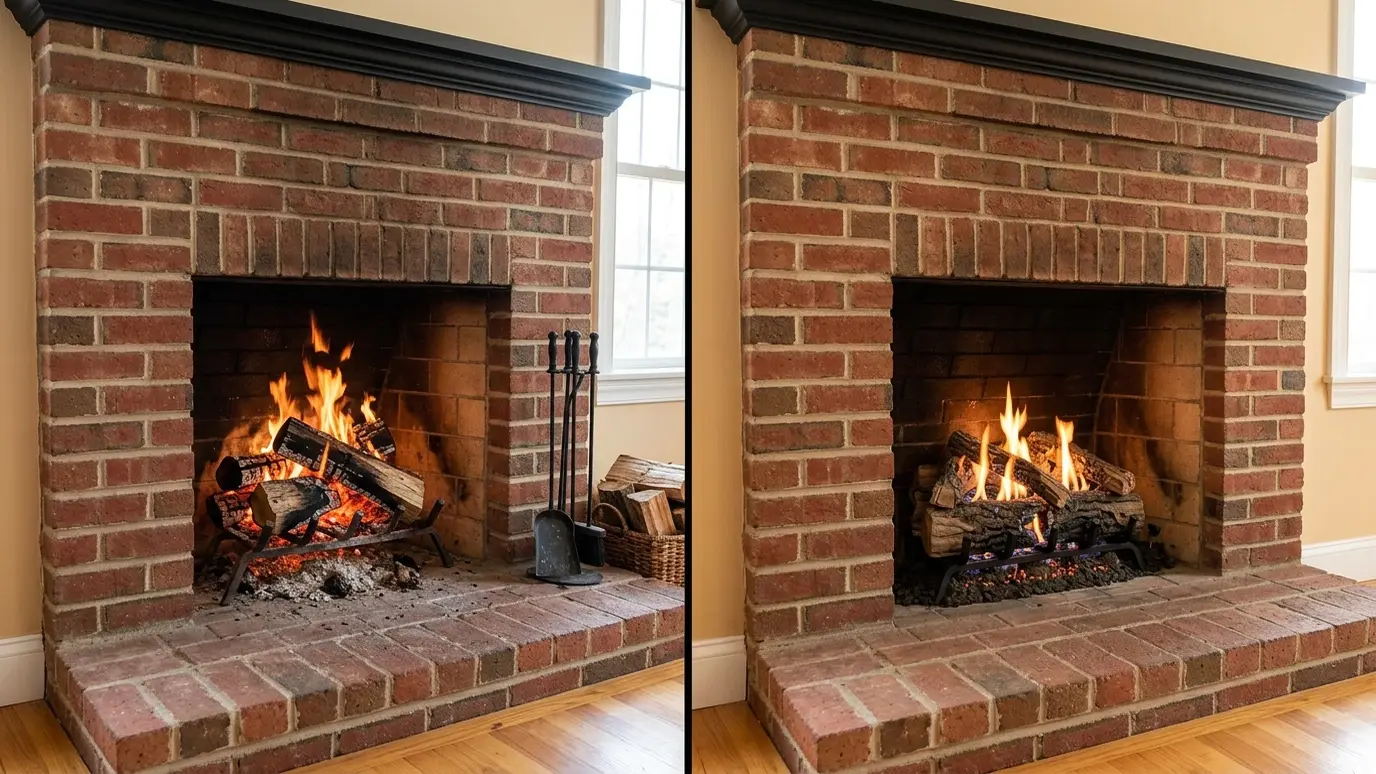
A wood fireplace can often take gas logs or a gas insert. A gas appliance can sometimes be changed back with care.
We explain what is possible in your home.
Choose wood for the experience, gas for the ease and an insert or stove when you want real heat.