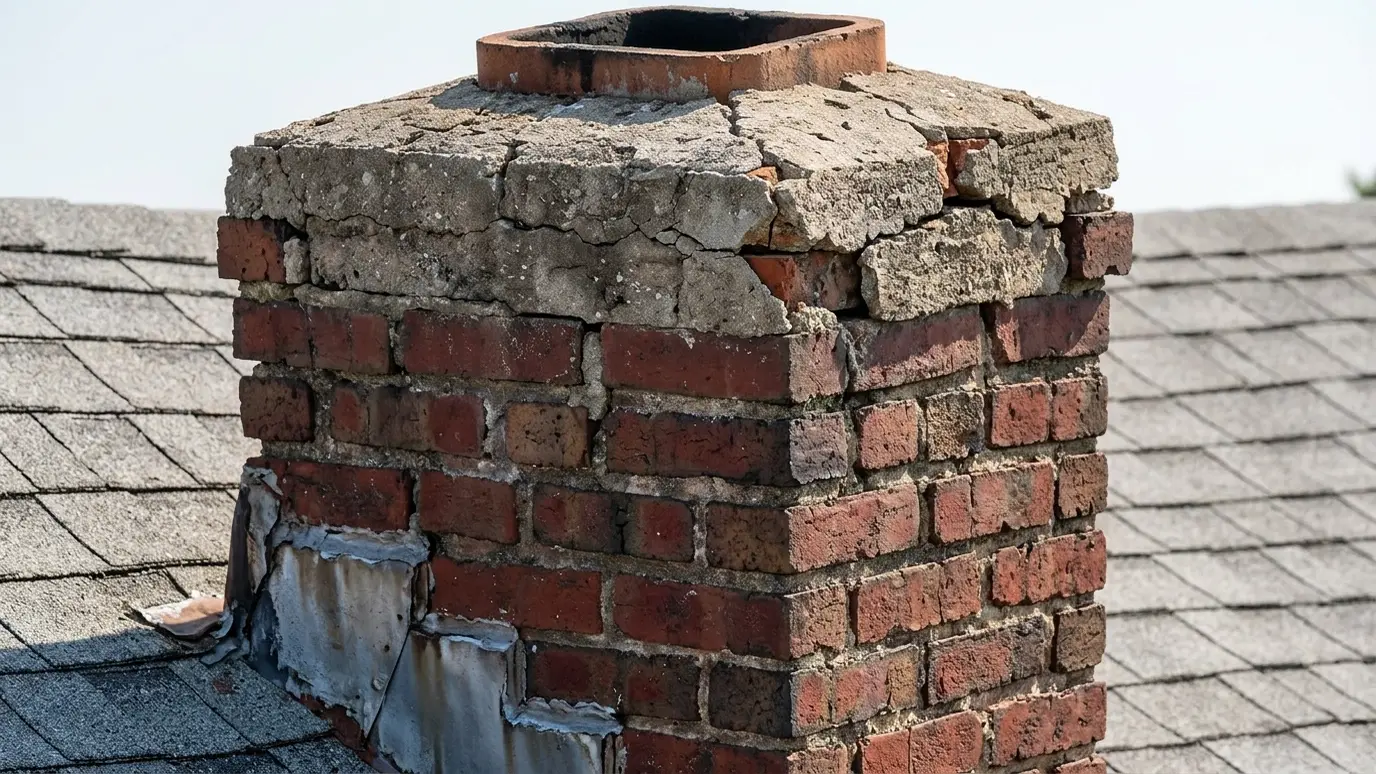
Cracked or crumbling crowns repaired or rebuilt with a sloped, overhanging top that sheds water away from the brick and the flue.
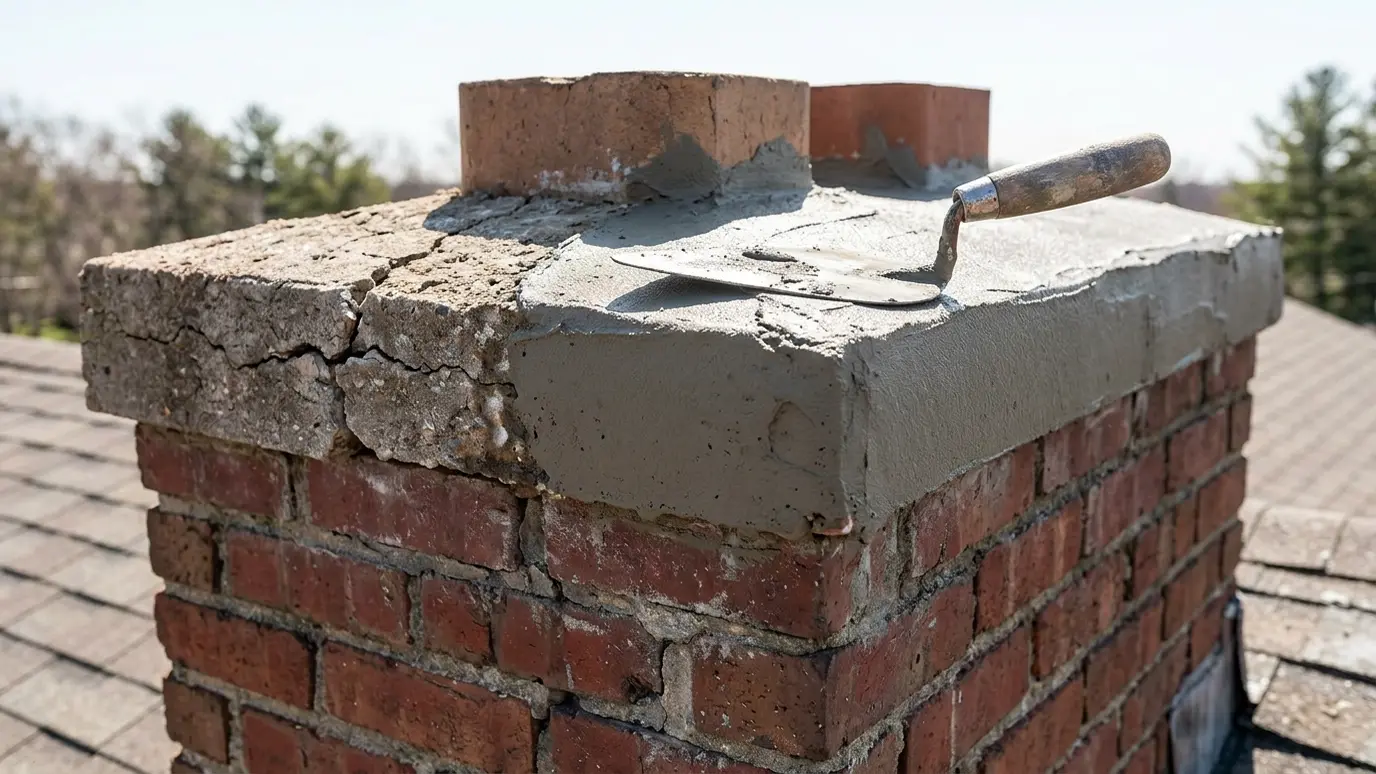
The crown is the slab that caps the top of the masonry around the flue. Its job is simple and important: shed rain and melting snow away from the brick and the flue tile. A good crown slopes down and overhangs the edges so water drips clear of the chimney. A cracked, flat or crumbling crown lets water soak in, and from there it works its way into the whole chimney.
Many crowns were made from plain mortar that was never meant to last, so cracks are very common. Depending on what we find, we seal small cracks with a flexible coating or rebuild the crown with a better mix and the correct shape. Either way, repairing a crown early is one of the best-value chimney repairs, because it protects everything beneath it.
A good crown rises from the flue and slopes outward, with an overhang that makes water drip away. Flat or dished crowns hold water, and that is where damage begins.
Hairline cracks can be sealed with a flexible, breathable coating. Wide cracks and crumbling edges call for a rebuild with a stronger mix and proper form.
The flue tile and the crown move differently in heat. A flexible joint between them lets both move without cracking, and many crowns lack one.
Water that gets into the top of a chimney freezes, expands and breaks mortar and brick. A sound crown keeps that from starting.
Drag the handle to compare.
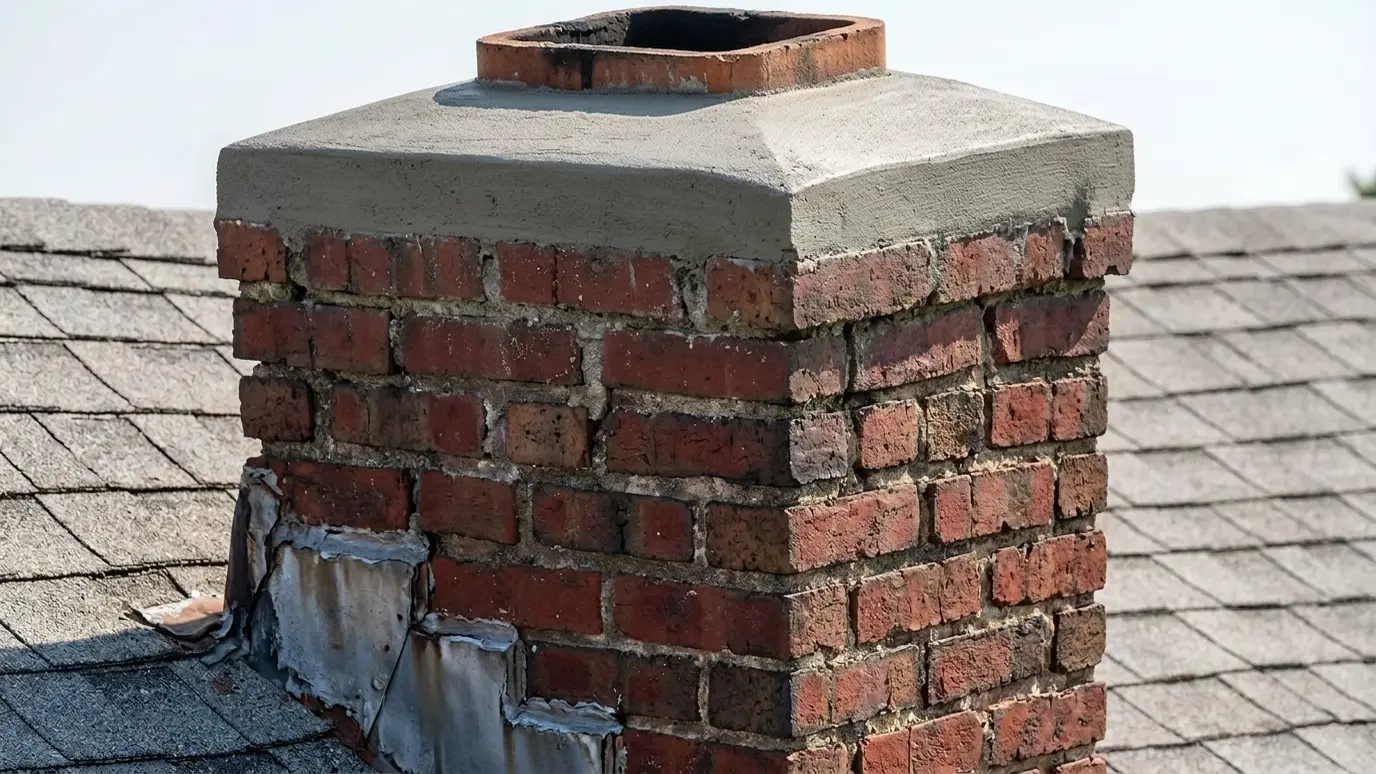
 BeforeAfter
Slope and overhang.
The right fix for the damage.
Room to expand.
Protects the stack.
See the difference.
Quick and tidy.
Every topic has its own page with what to expect and how we approach it.
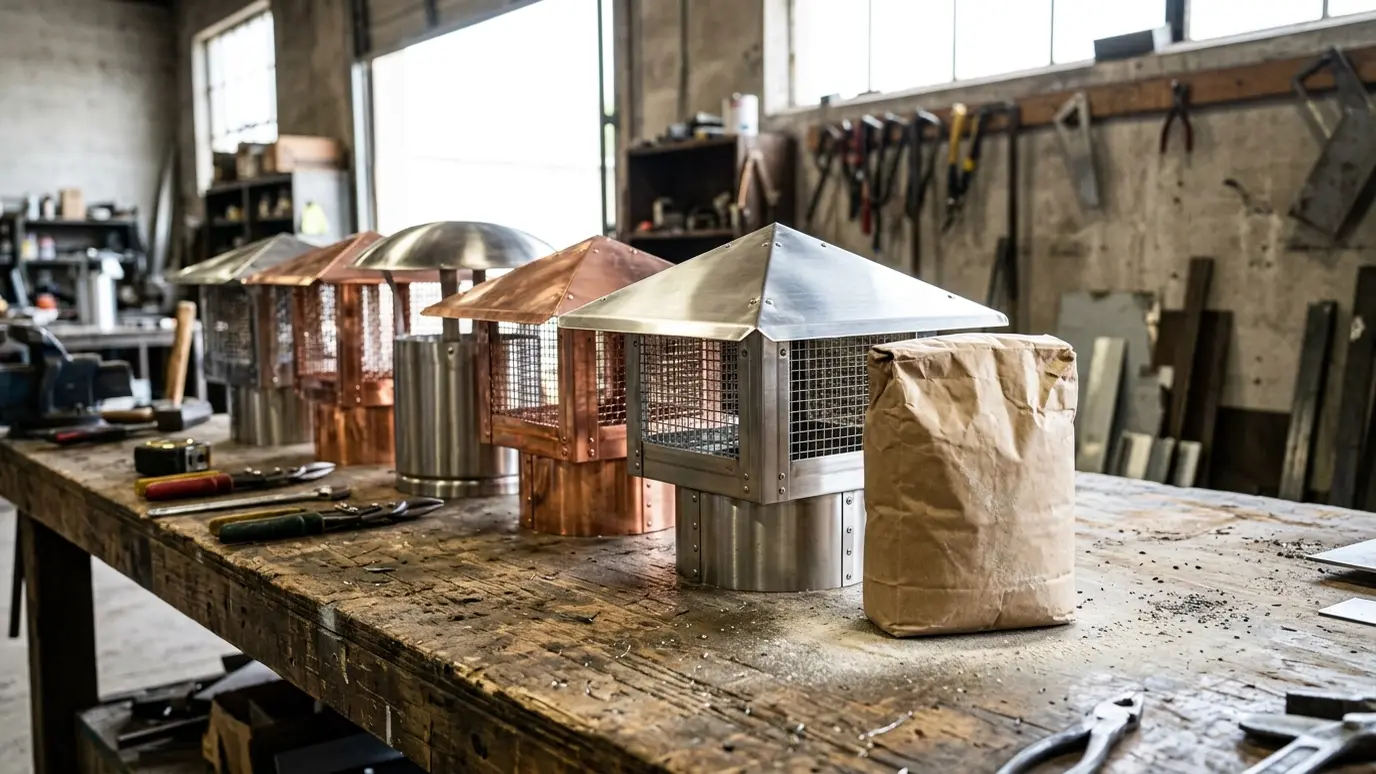 Material guideCaps and CrownsCaps and crowns are the hat and the roof of your chimney. Here is what they do and…Learn more
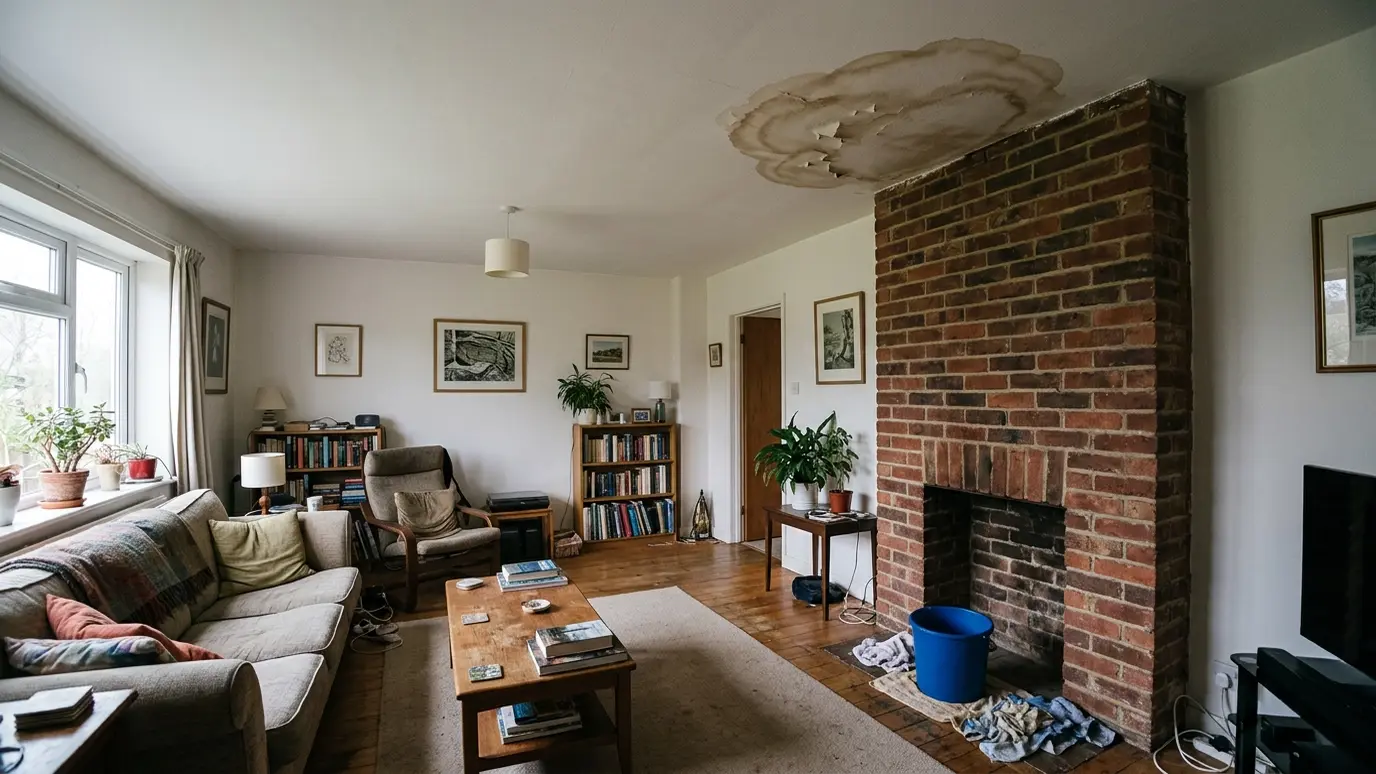 Project situationLeaks and Water DamageWater finds every weakness in a chimney. Here is where leaks come from and how they are stopped.Learn more
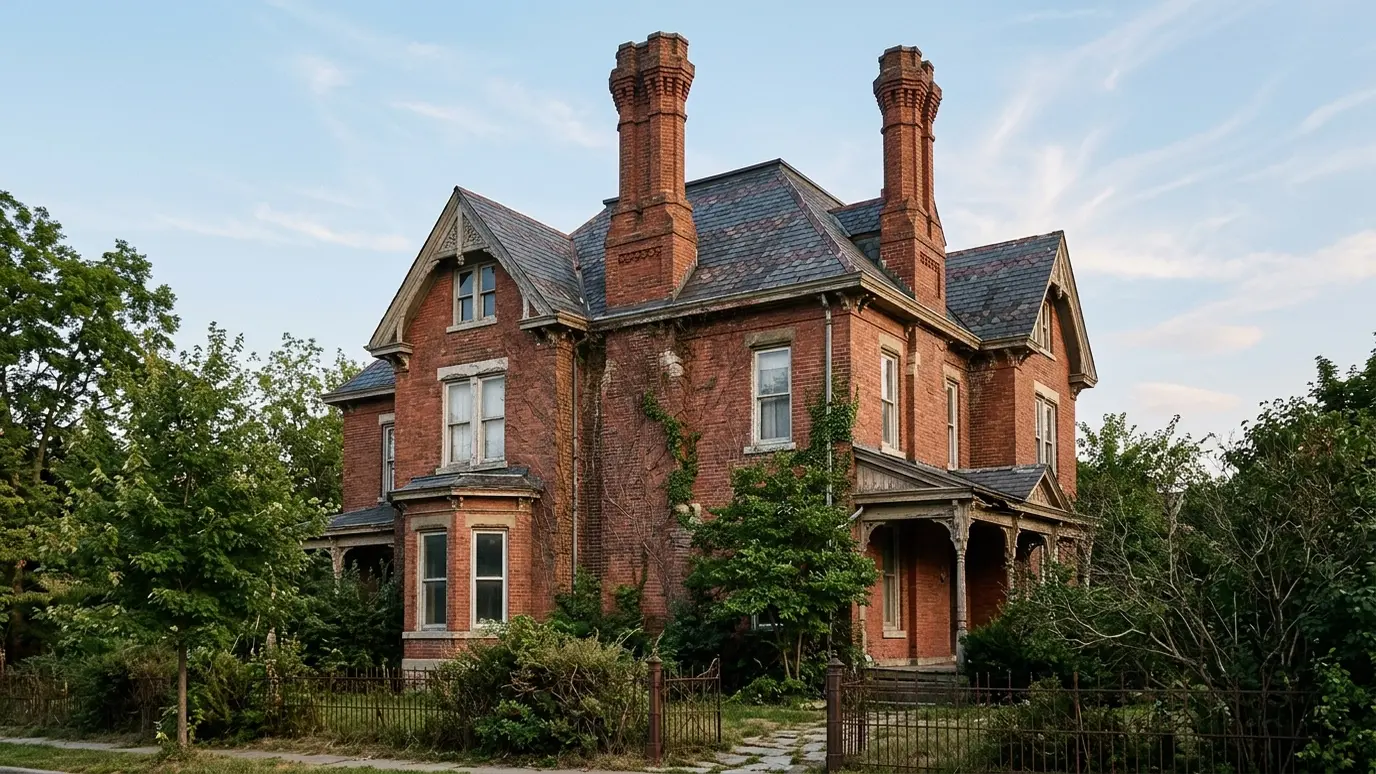 Project situationOlder and Historic HomesOlder chimneys have soft brick, old mortar and no liner. They need a gentler approach and the right…Learn more
Pick what you see or smell to learn what it may mean and how urgent it is.
You tell us about the chimney, fireplace or stove and what you have noticed, and we set a visit that fits your day.
We look closely at the chimney, inside and out, ask how you use it and take photos of anything of note.
We explain what is urgent, what can wait and what is optional, and give you a written scope and options.
We lay drop cloths, seal the firebox and protect the roof and landscaping before any work begins.
We sweep, repair or install with the right tools and materials, checking our work as we go.
We clean up, show you what we did, share tips and set a reminder for your next visit.
Weak original mortar, freeze and thaw and movement of the flue tile are the most common causes.
Small cracks can. Larger cracks or crumbling edges need rebuilding.
It stops leaks that start at the top. Flashing, mortar joints and the cap may also need attention, and we check them all.
Yes. A cap keeps rain, animals and debris out of the flue, and the two work together.
A well-made crown with a flexible joint can last many years.
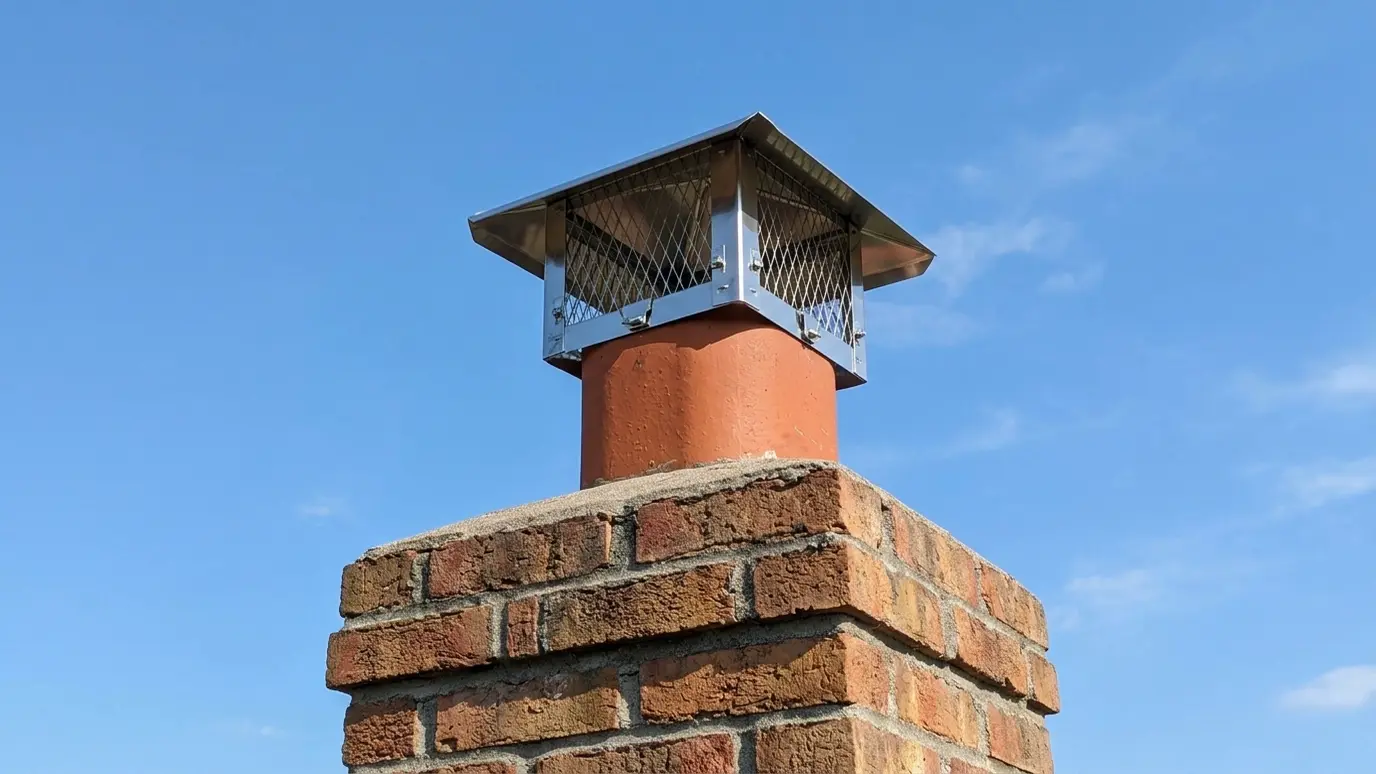 Chimney Cap InstallationA well-fitted cap with mesh screening that keeps out rain, animals, leaves and sparks while letting smoke escape…Explore
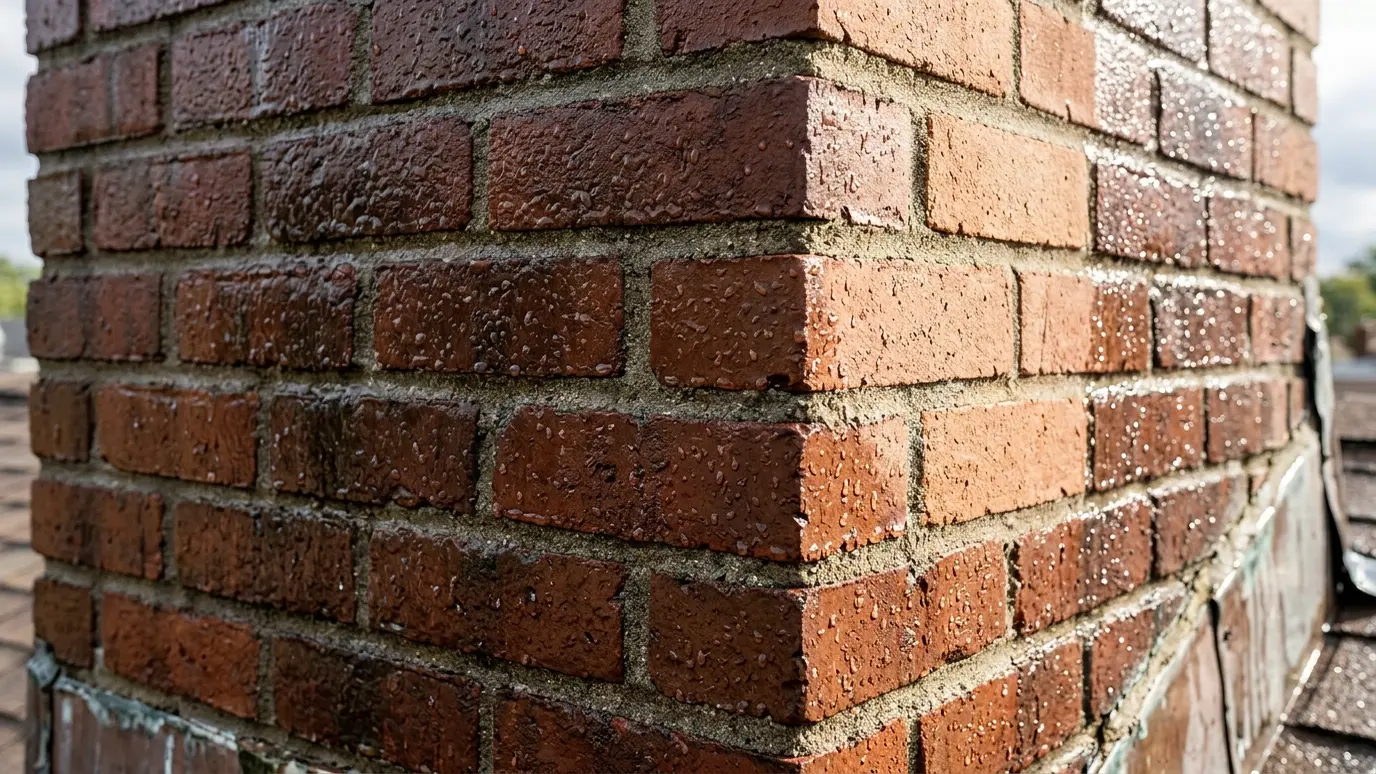 Chimney Waterproofing and SealingA breathable water repellent applied after repairs lets the masonry shed rain without trapping moisture inside.Explore
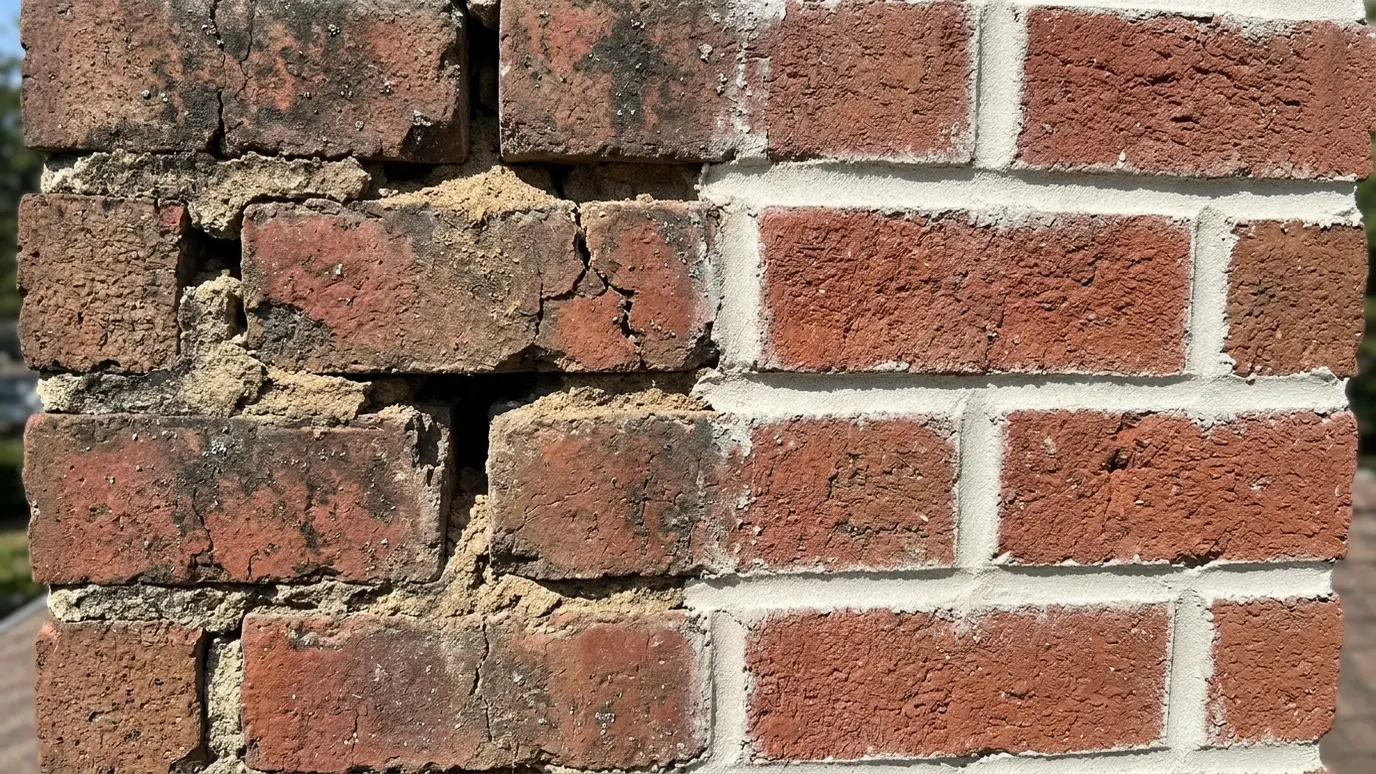 Tuckpointing and RepointingOld mortar joints ground out and refilled with matched mortar, so water stays out of the chimney and…Explore
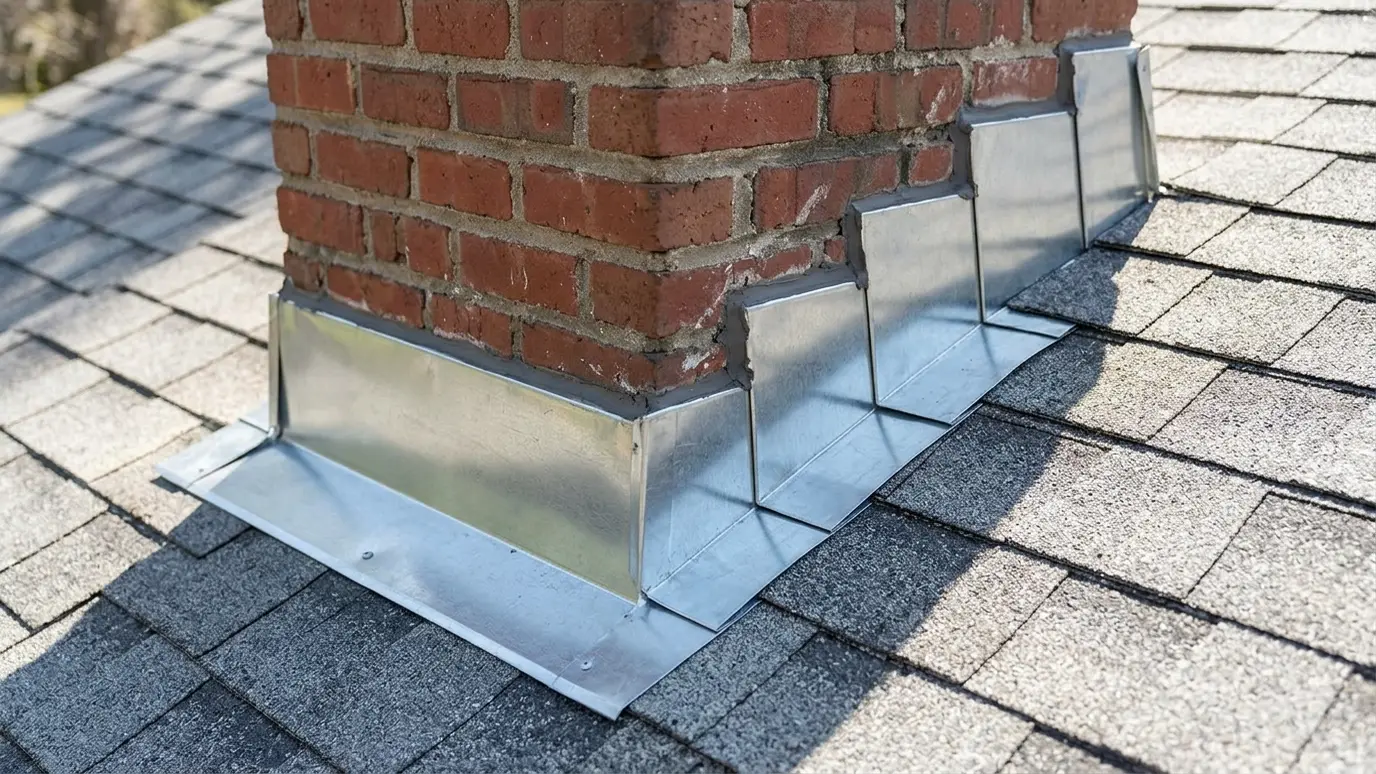 Chimney Flashing and LeaksLeaks around the chimney traced and fixed with step flashing, counterflashing and sealed masonry joints, so ceilings stay…Explore
Tell us about the project and we will call you back to talk it through.
Or call (615) 357-7797 to talk now.