What a damper does
It opens to let smoke out and closes to keep your heated or cooled air in. It also blocks drafts and animals when the fireplace is not in use.
It is a simple part with an important job.
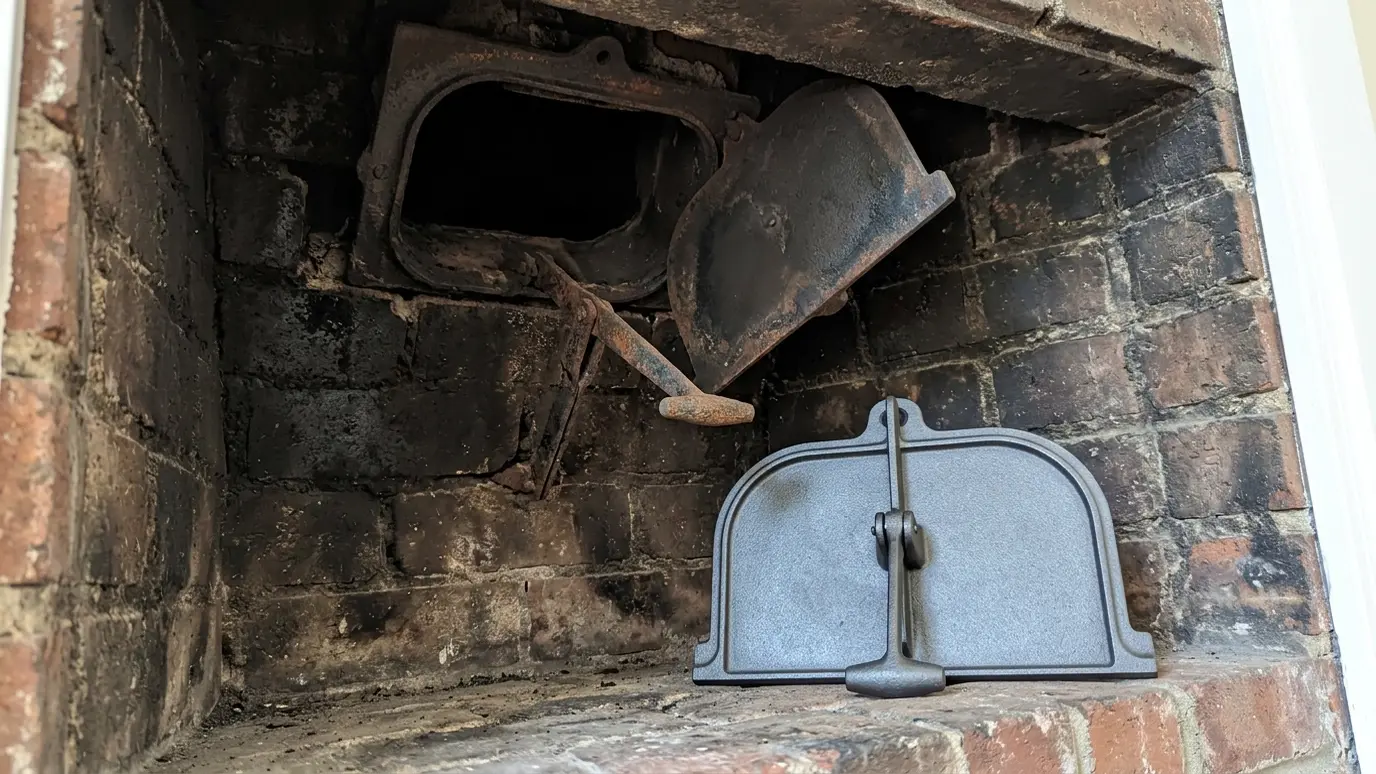
Throat dampers
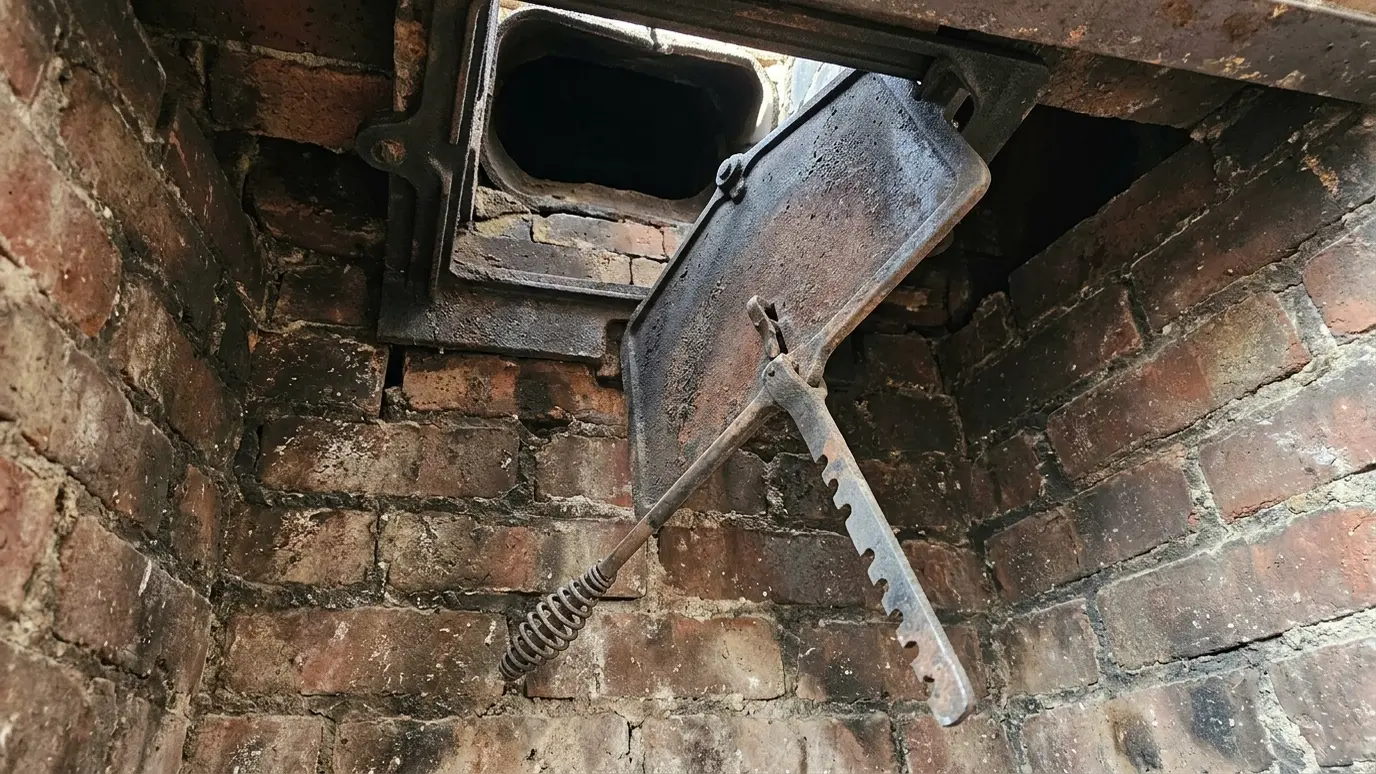
The traditional damper sits in the throat above the firebox. It rusts, warps and sticks over time.
Many can be repaired or replaced.
Top-sealing dampers
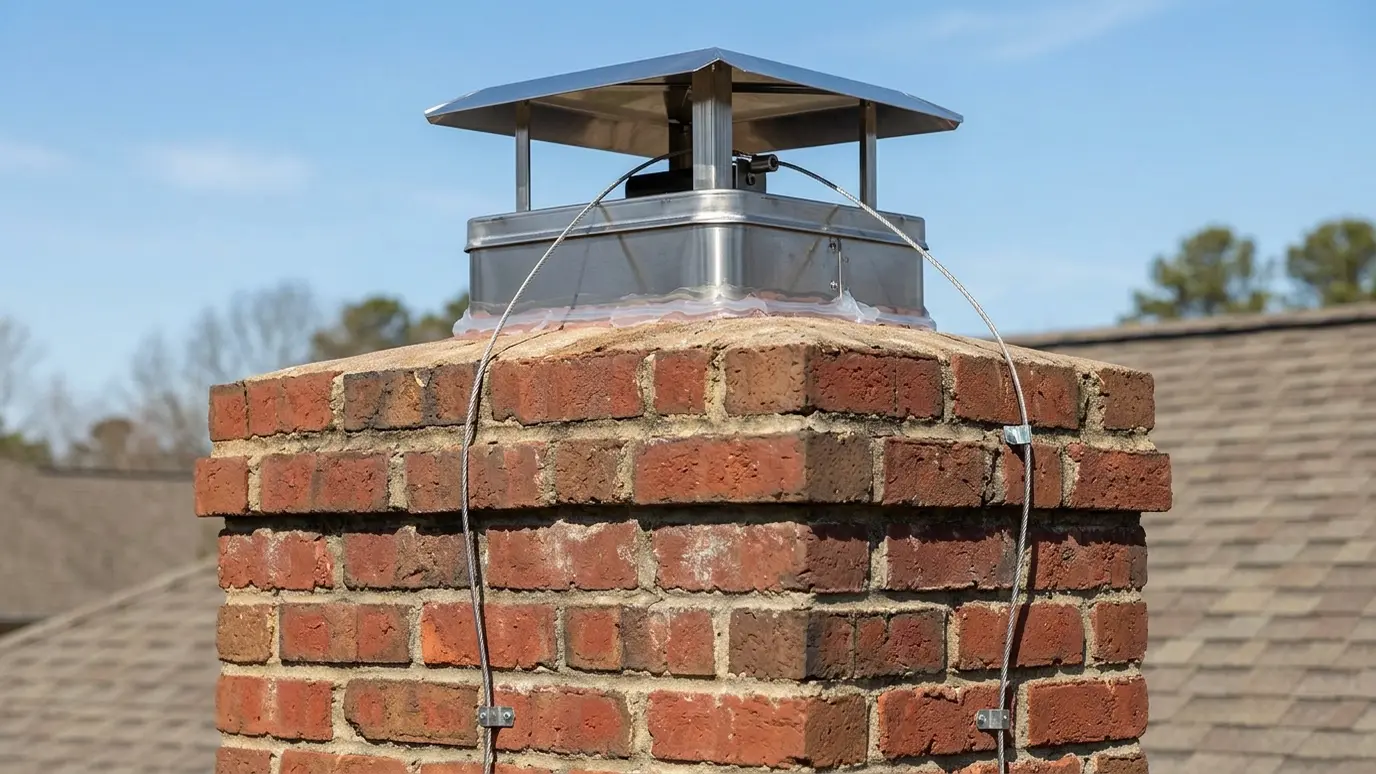
A damper at the top of the flue with a silicone seal and a cable. It seals better and doubles as a cap.
A popular upgrade.
Using it
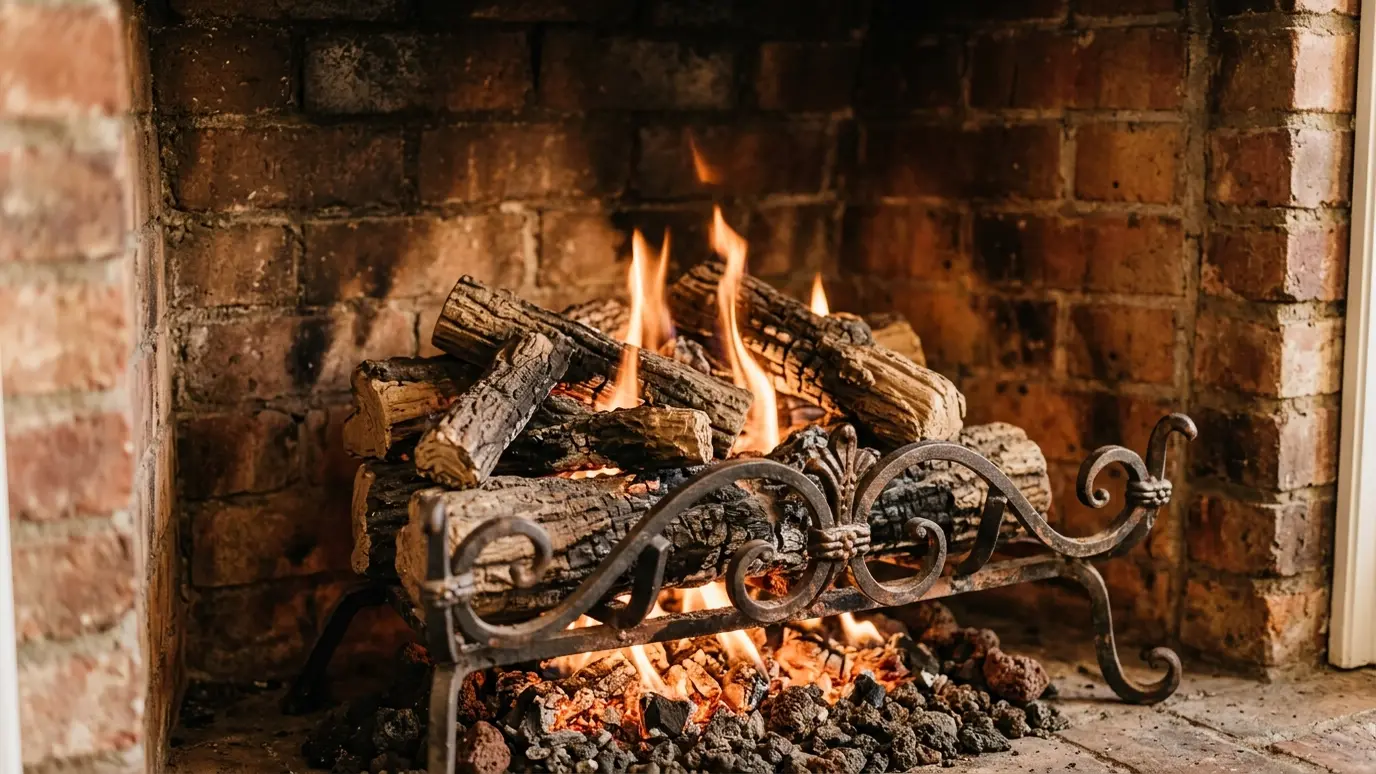
Open it fully before lighting any fire and leave it open until the fire is out and the ashes are cold.
Closing it early traps smoke and gases.
Gas logs
Vented gas logs need the damper open or clamped open whenever they burn.
Ventless logs have different rules.
When to replace
A damper that will not open or close, is badly rusted or has a broken handle should be replaced.
Do not force it.
Open the damper before every fire and replace one that sticks.