What you burn decides how clean your chimney stays. Here is how to choose and store firewood.
Fresh-cut wood is full of water. When it burns, much of the fire goes to boiling that water away, so the fire is cooler and smokier, and cooler smoke leaves more creosote in the flue. Seasoned wood, dried for six months to a year or more, burns hotter, cleaner and with more heat for the same size log.
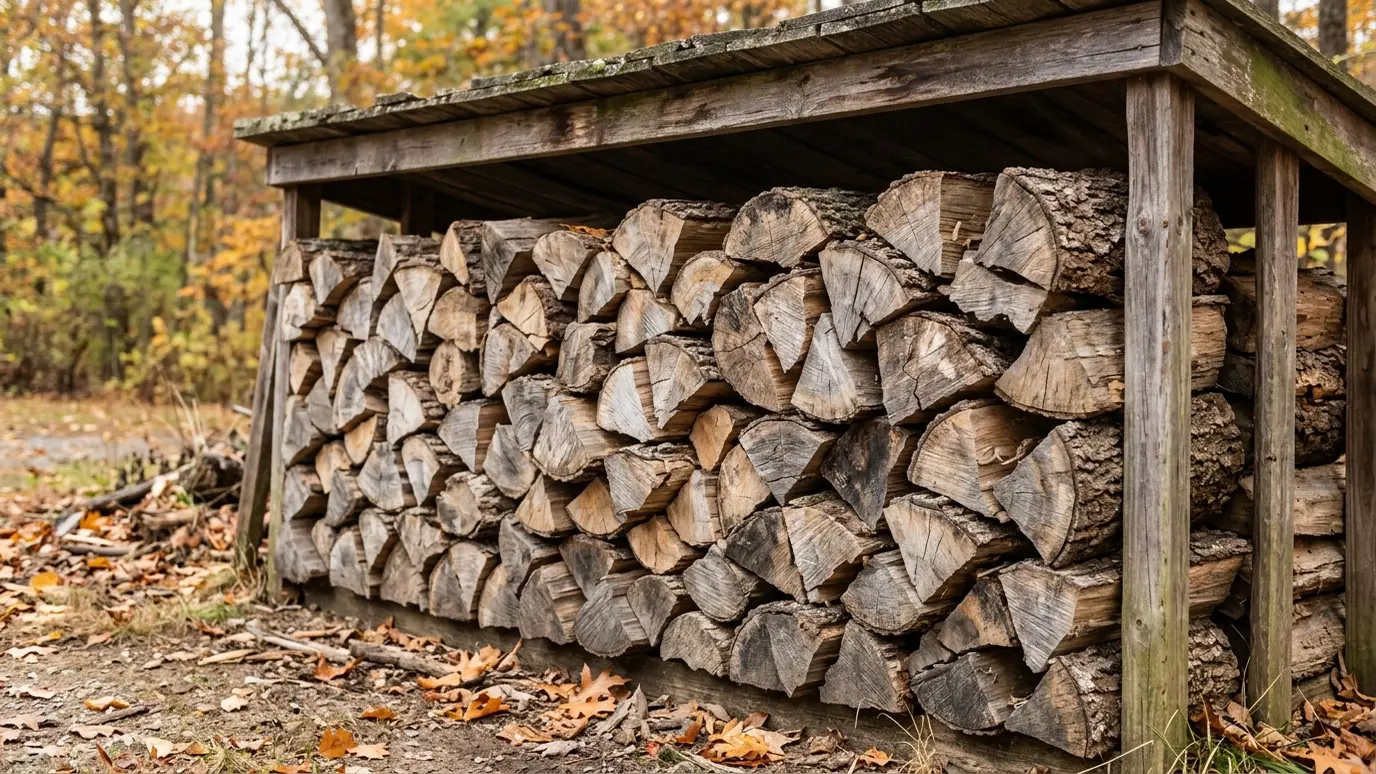
Hardwoods such as oak, hickory and maple burn long and hot. Softwoods burn fast and are good for kindling. Split wood dries faster, and stacking it off the ground with the ends open to the wind keeps it dry. An inexpensive moisture meter tells you when it is ready.
More heat, less smoke.
Cleaner flue.
Oak, hickory, maple.
Know when it is ready.
Six months or more.
Keep it dry.
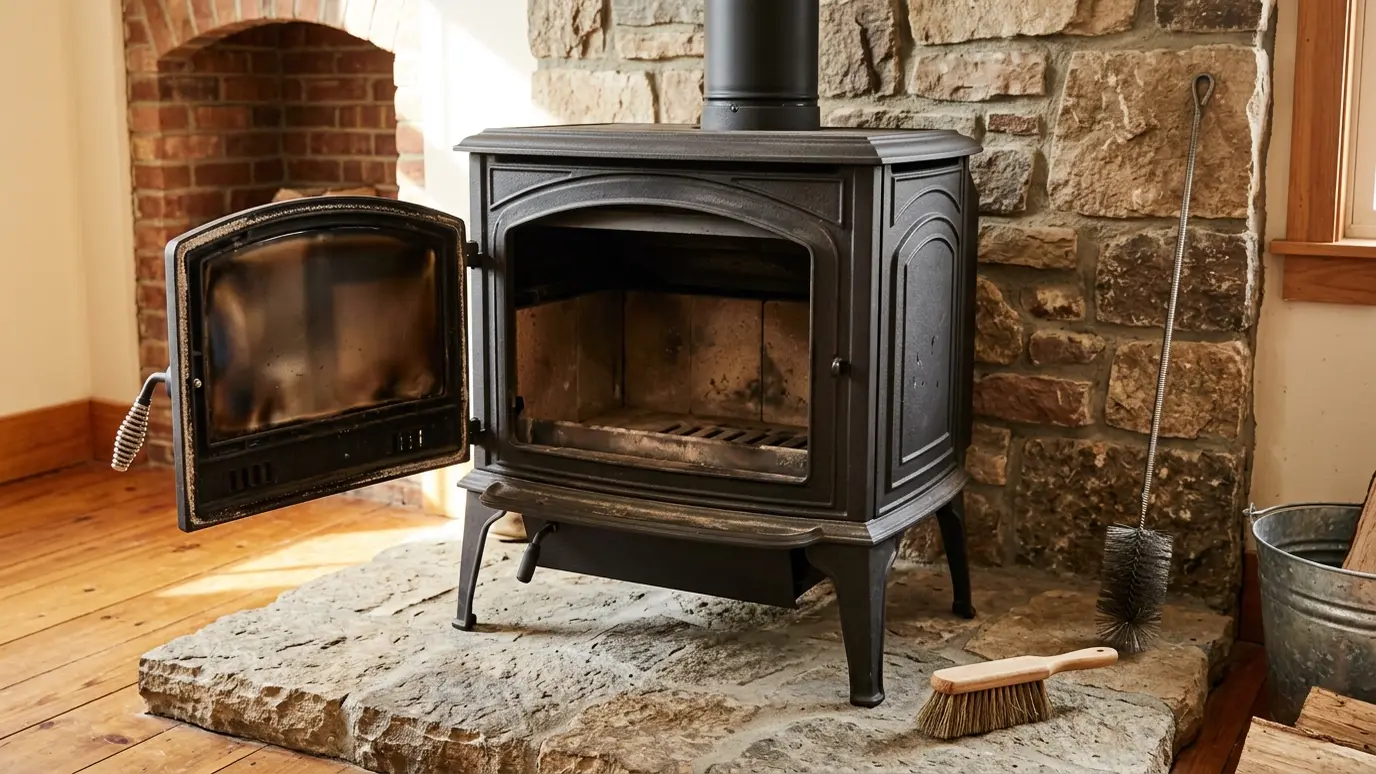 Wood Stove and Insert CleaningCleaning of the stove body, baffles, stovepipe and flue so efficient wood heating stays efficient and safe through…Explore
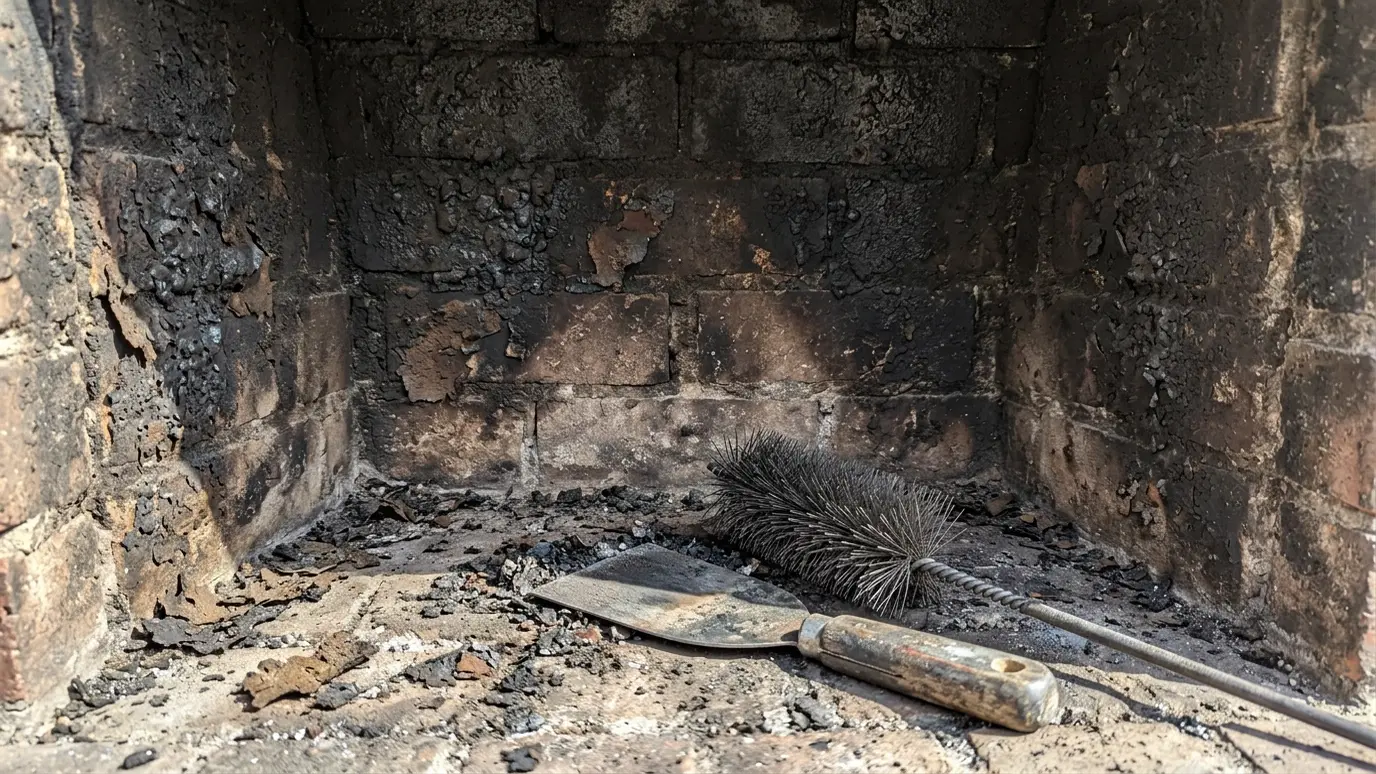 Creosote and Glaze RemovalHeavy creosote and shiny glaze are removed with the right tools and methods, so a dangerous buildup stops…Explore
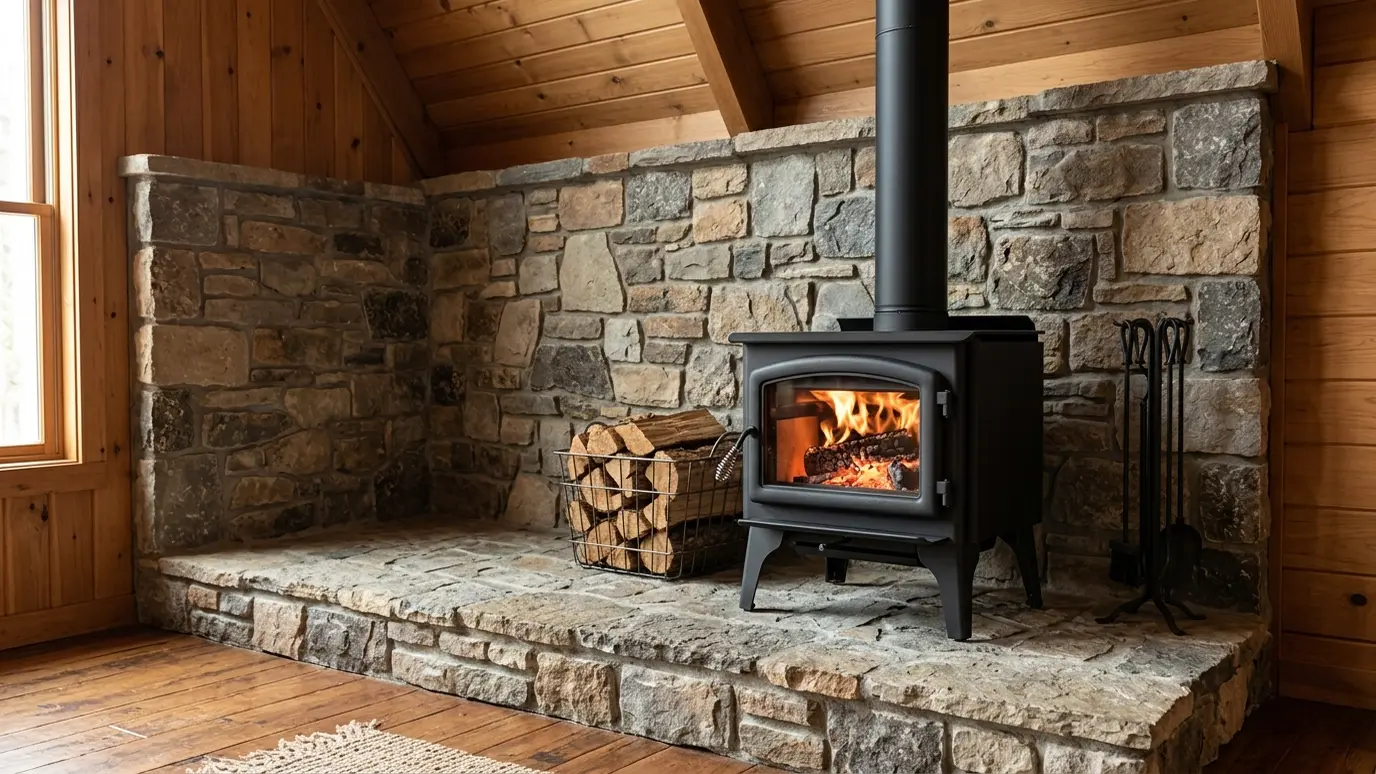 Wood Stove InstallationA new wood stove set on a safe hearth with the right pipe, clearances and liner, ready to…Explore
Take the quiz, check a problem or ballpark a budget.
 Which Fireplace or Stove Do I Need? QuizAnswer five questions about your home and your goals and see the fireplace, stove, insert or gas option that fits best.Try it
 Chimney Problem CheckerPick what you see or smell to learn what it may mean and how urgent it is.Try it
 Chimney Budget PlannerPick a project and a size and get a ballpark planning range.Try it
Under about twenty percent moisture is a common target.
Dry hardwoods like oak and hickory burn long and clean.
You can, but it makes smoke and creosote and wastes heat.
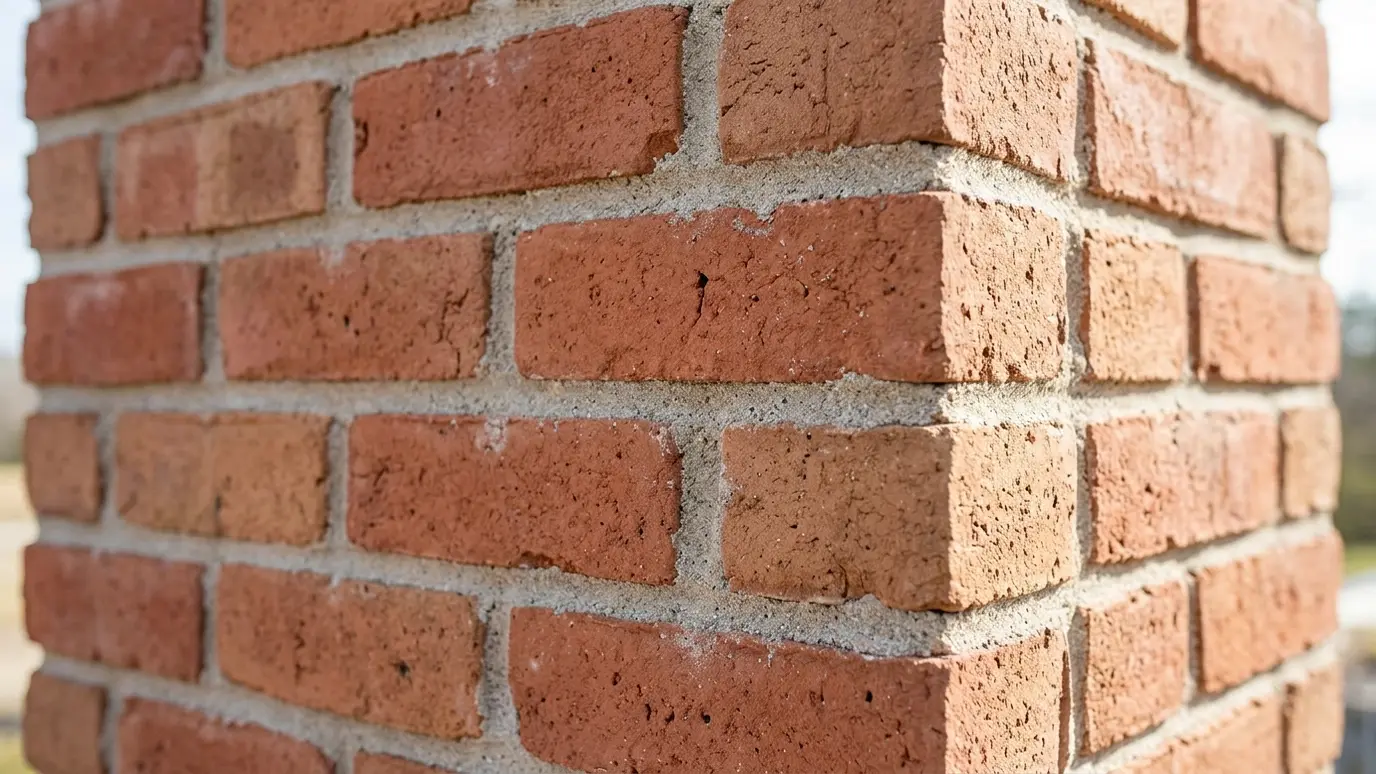 Material guideBrick and MortarBrick and mortar are the classic chimney materials. Here is how they work, wear and are repaired.Learn more
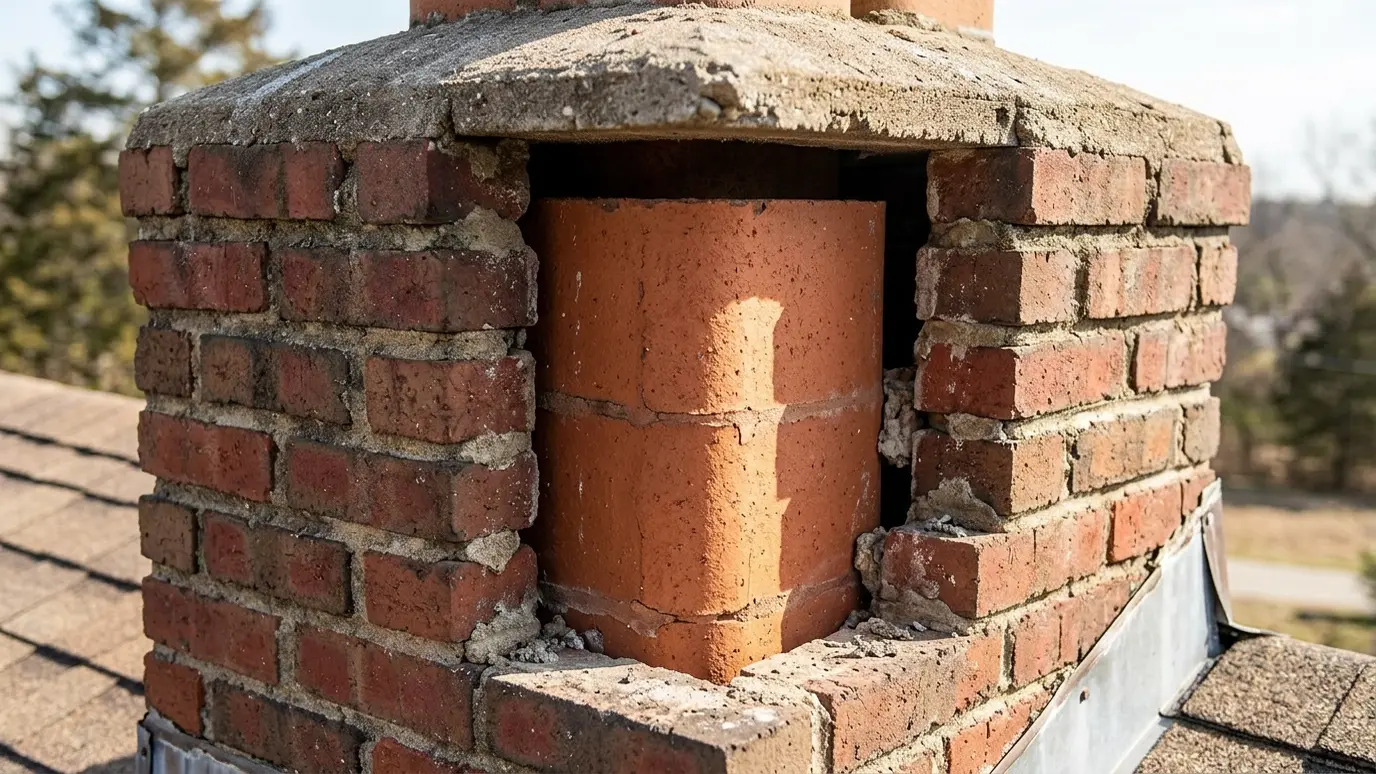 Material guideClay Flue TileClay tile has lined chimneys for a century. Here is what it does well and where it fails.Learn more
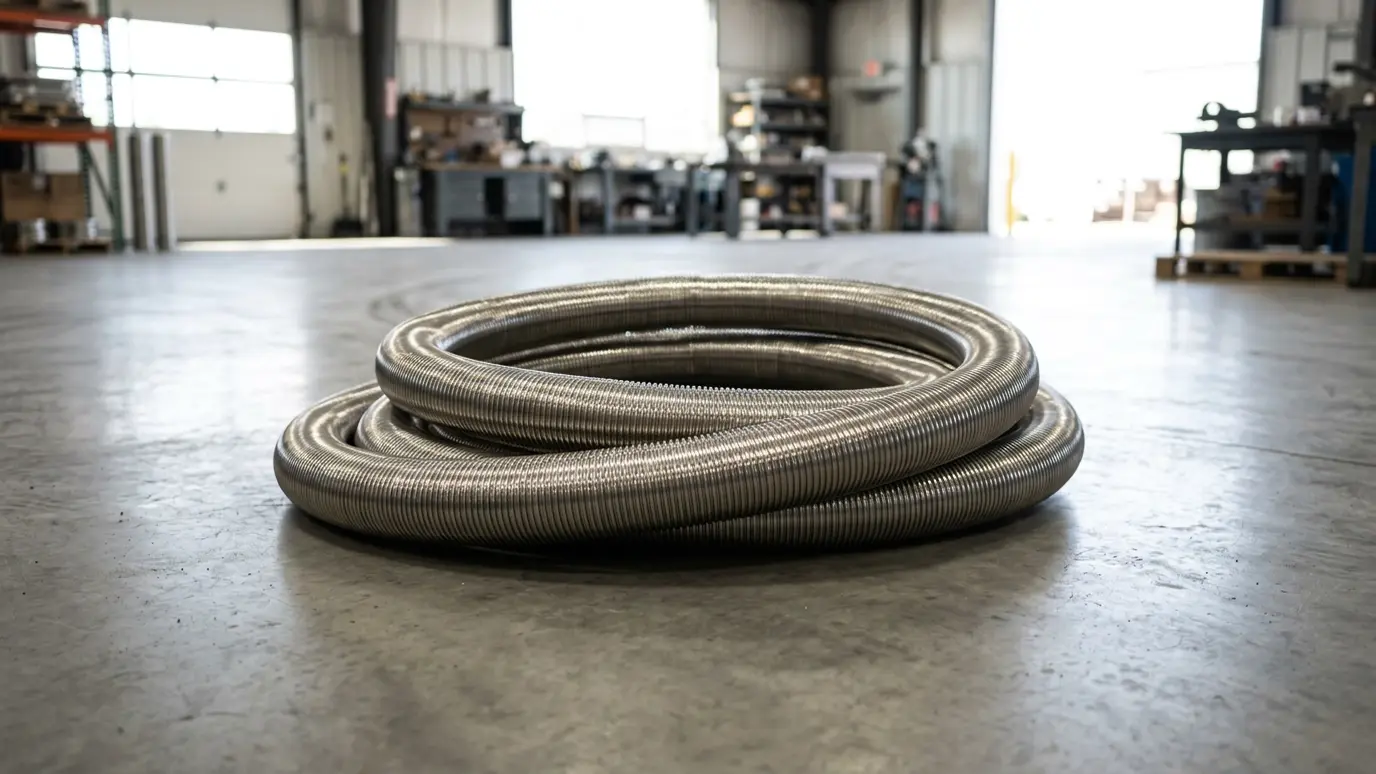 Material guideStainless Steel LinersStainless liners are the standard way to make an old chimney safe. Here is how they work.Learn more
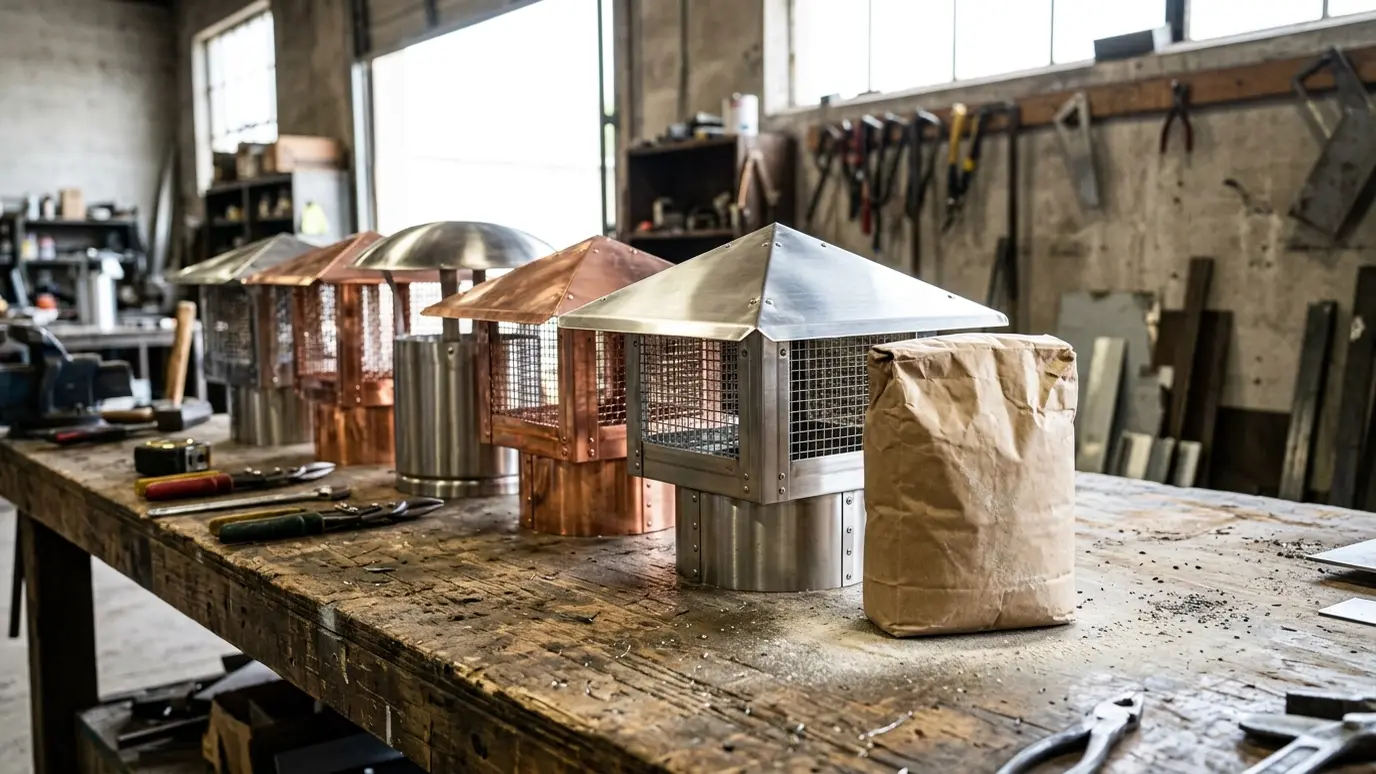 Material guideCaps and CrownsCaps and crowns are the hat and the roof of your chimney. Here is what they do and…Learn more
Call us and we will visit, look closely at your chimney and give you a clear plan and a written scope.