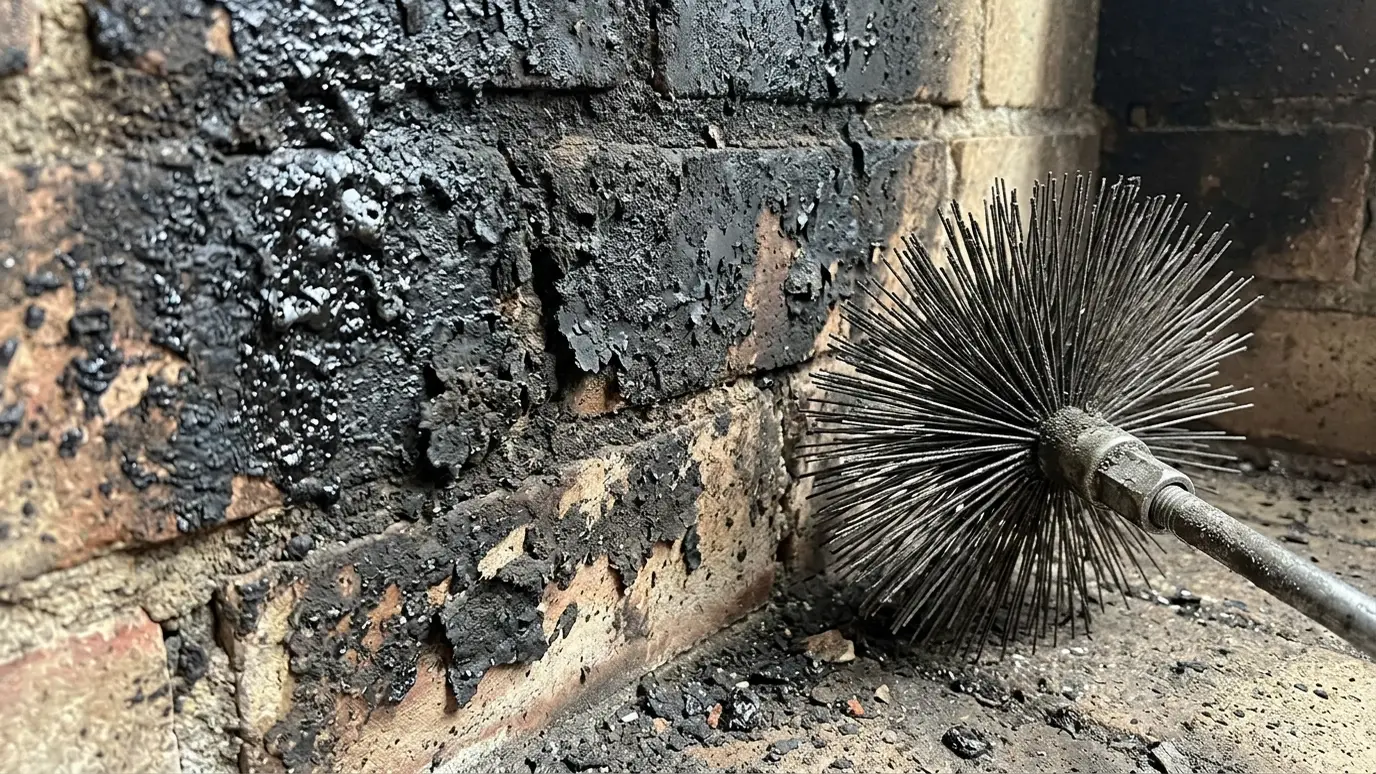
Creosote and soot are the byproducts of every fire. Here is what they are and why they matter.
Soot is the dry, powdery black residue of burning wood. Creosote is the sticky, tarry film that forms when smoke cools inside the flue. Soot sweeps away easily, but creosote builds up in layers and hardens, and it can ignite. It is the main cause of chimney fires.
Creosote forms in three stages. The first is dusty soot, the second is flaky tar and the third is a hard, shiny glaze that is hard to remove. The best defenses are burning dry wood hot, letting the fire breathe and sweeping the chimney regularly. If the glaze has formed, special methods are needed.
Dust, flakes, glaze.
Take it seriously.
Hot fires leave less.
Early stages are easy.
Know how much.
Get help early.
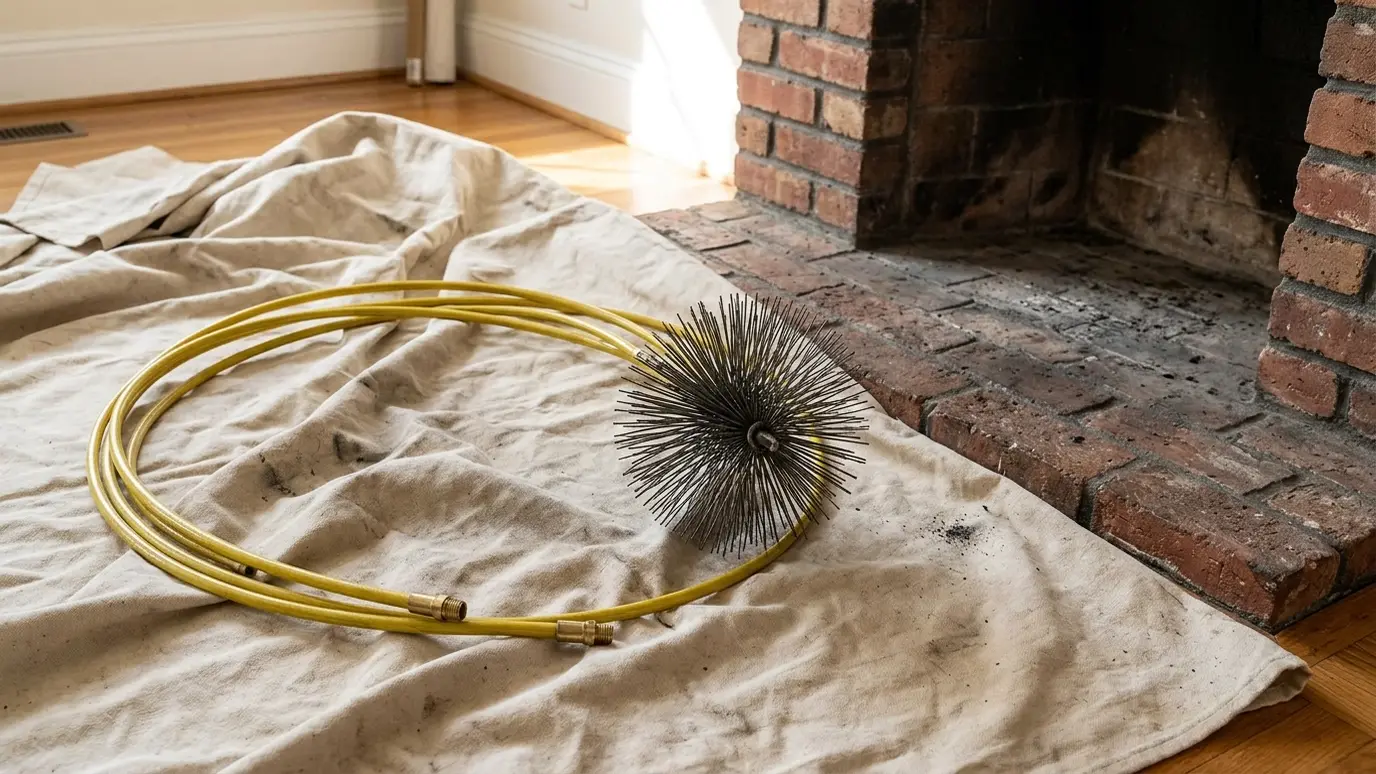 Chimney Cleaning and SweepingA tidy, thorough sweep that removes soot and creosote from the flue, smoke chamber and firebox so every…Explore
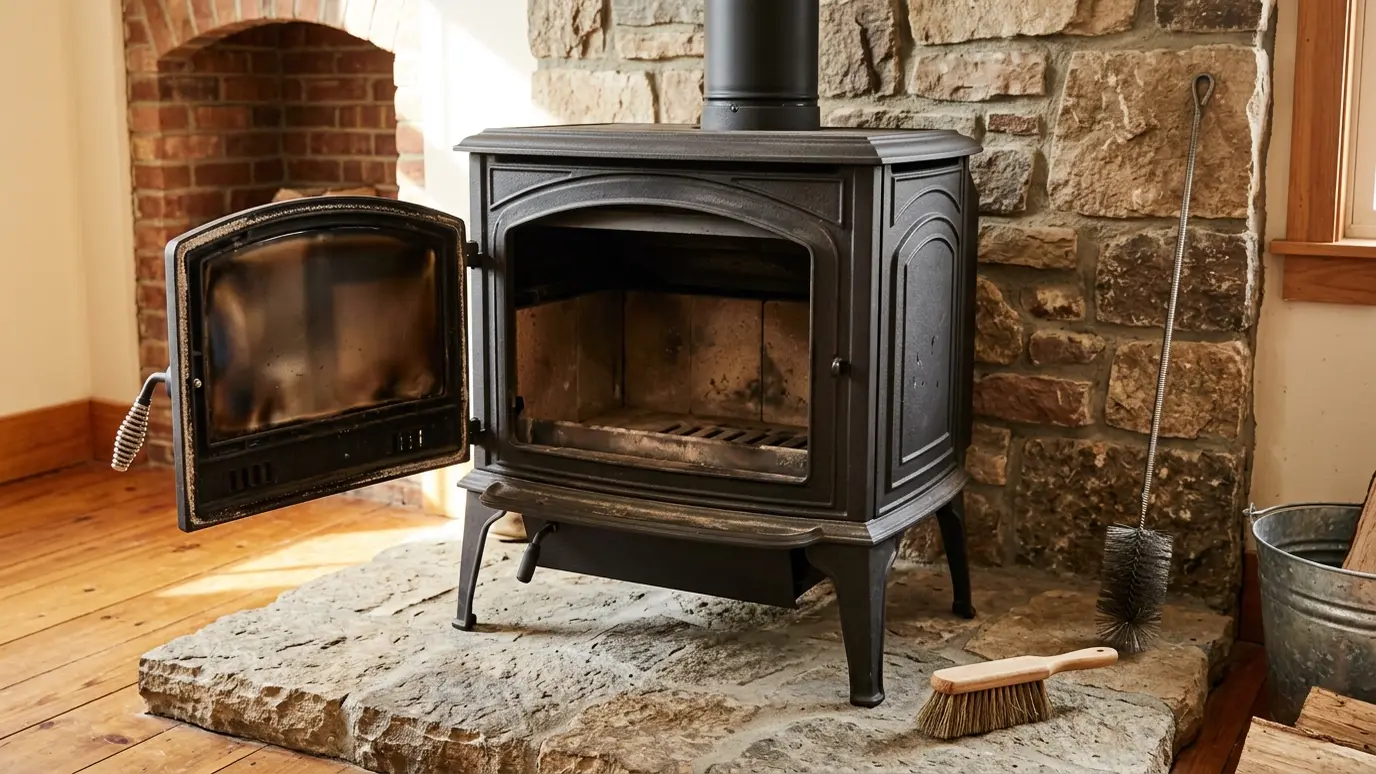 Wood Stove and Insert CleaningCleaning of the stove body, baffles, stovepipe and flue so efficient wood heating stays efficient and safe through…Explore
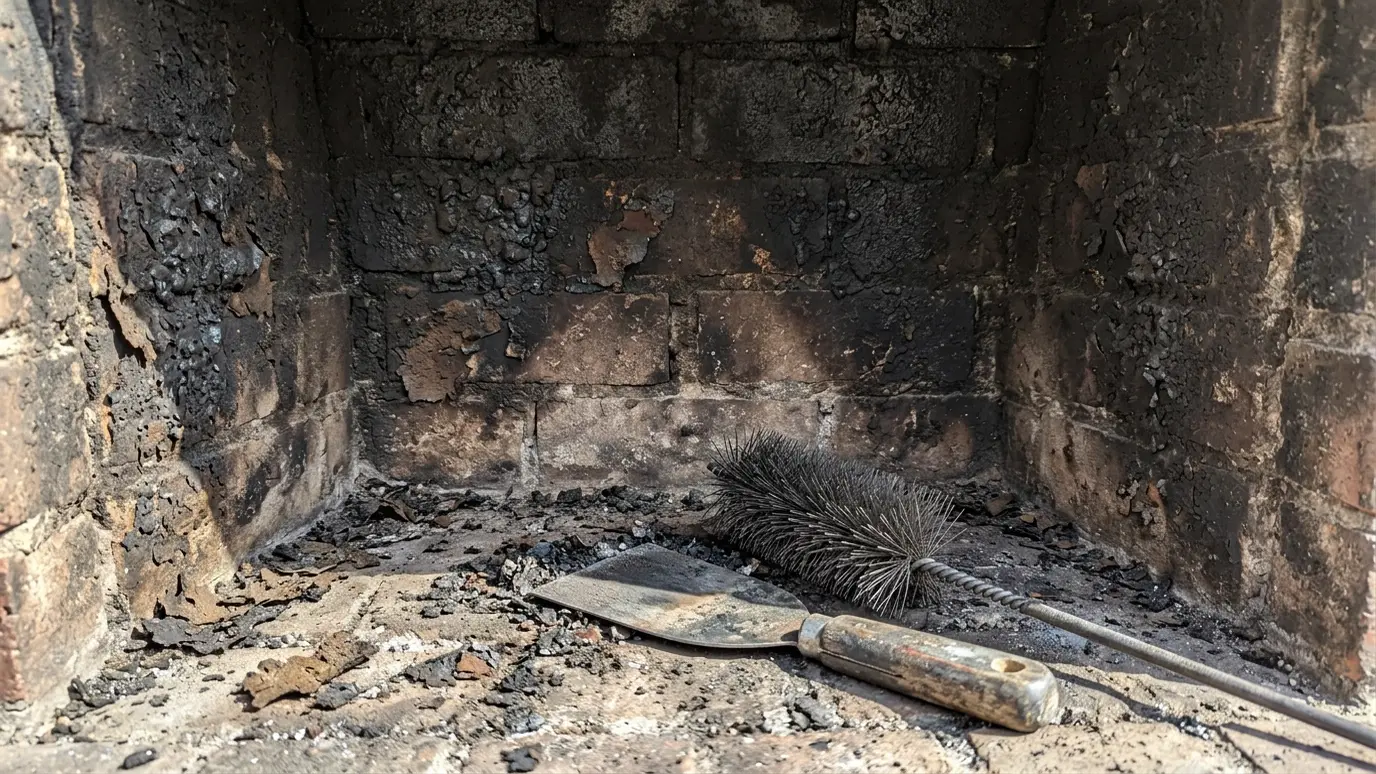 Creosote and Glaze RemovalHeavy creosote and shiny glaze are removed with the right tools and methods, so a dangerous buildup stops…Explore
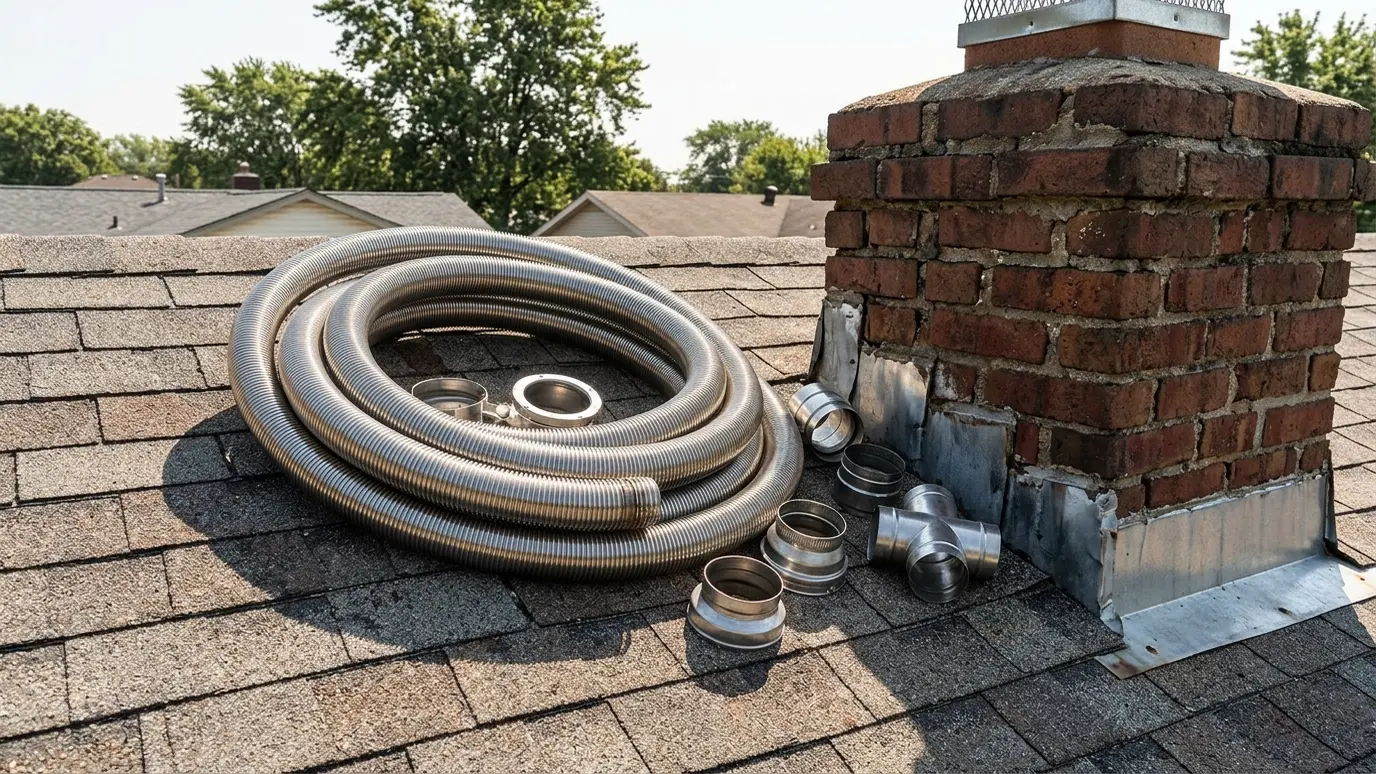 Chimney Liner InstallationA properly sized liner gives smoke a safe, sealed path up the chimney and protects the masonry from…Explore
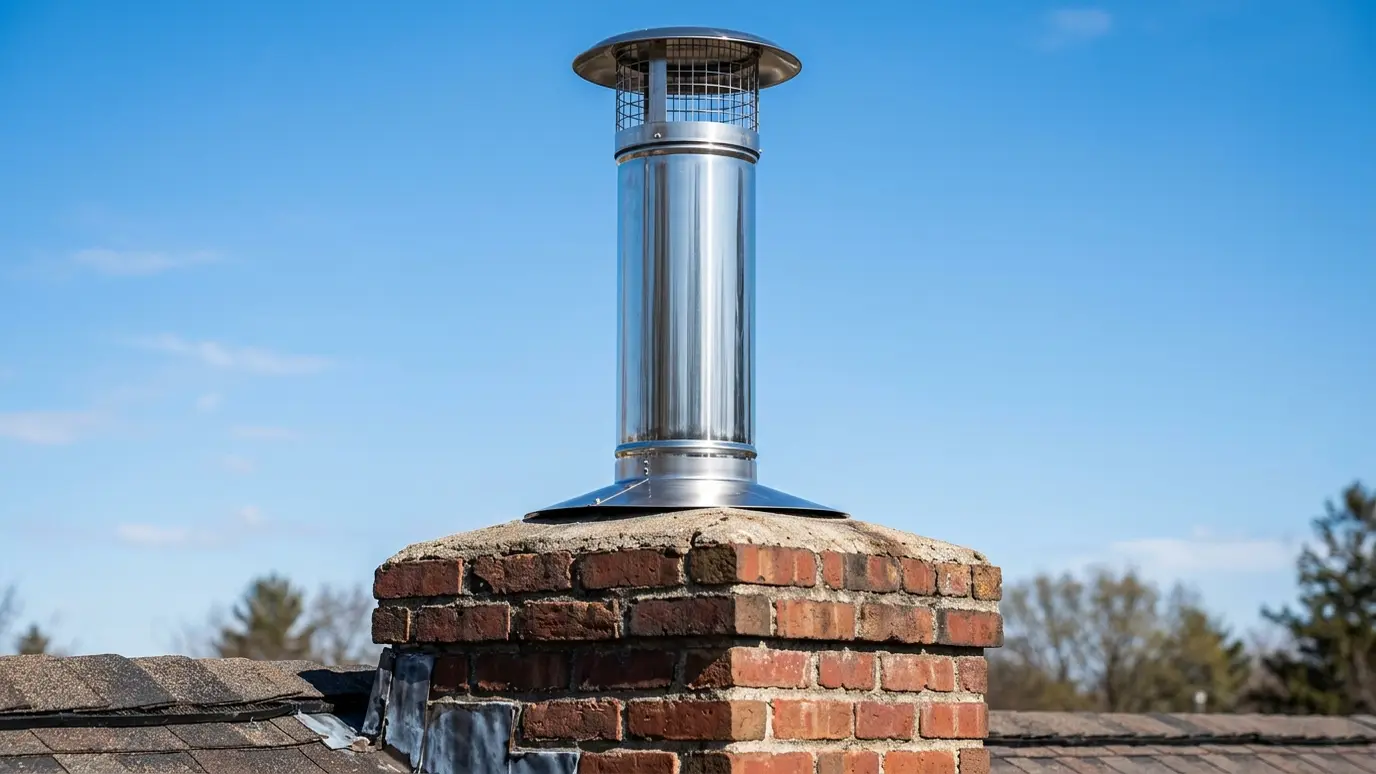 Stainless Steel Chimney ReliningA stainless steel liner replaces a cracked or missing flue lining and is the most common way to…Explore
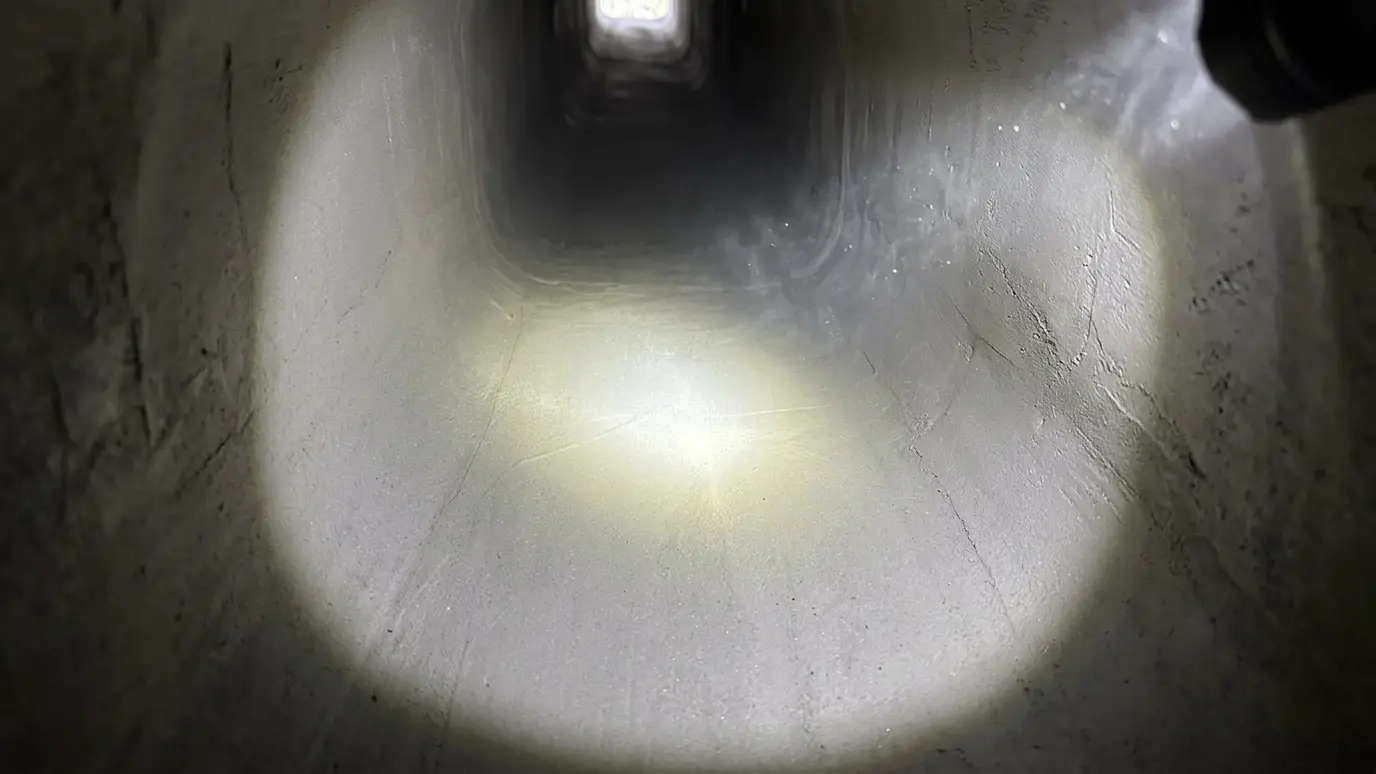 Flue Resurfacing and Liner RepairA cast-in-place or cement-based coating restores a damaged flue from the inside, sealing cracks and creating a smooth…Explore
Take the quiz, check a problem or ballpark a budget.
 Which Fireplace or Stove Do I Need? QuizAnswer five questions about your home and your goals and see the fireplace, stove, insert or gas option that fits best.Try it
 Chimney Problem CheckerPick what you see or smell to learn what it may mean and how urgent it is.Try it
 Chimney Budget PlannerPick a project and a size and get a ballpark planning range.Try it
It depends on how much and what you burn. Wet wood and slow fires make it faster.
No. Soot is a dry powder and creosote is a sticky or hard residue.
Light soot, yes. Heavy creosote and glaze need a professional.
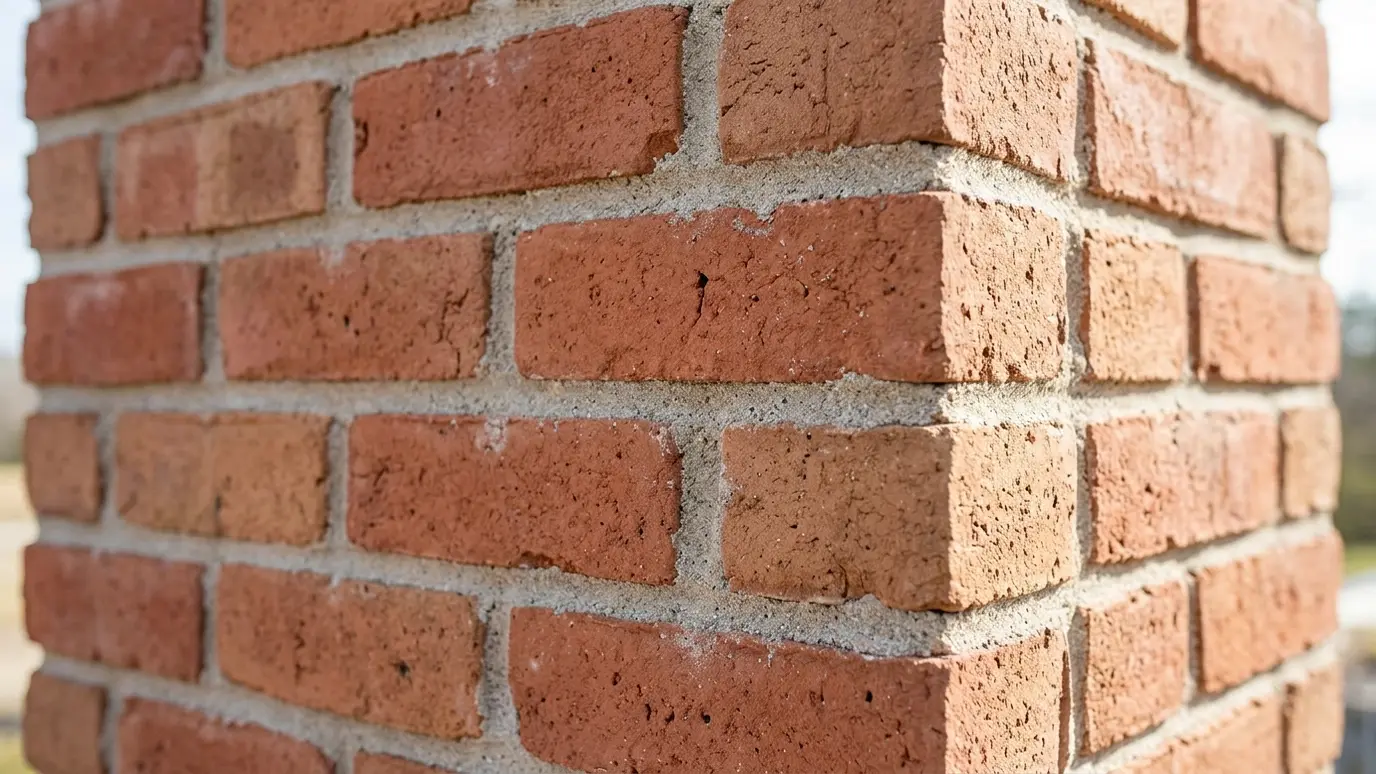 Material guideBrick and MortarBrick and mortar are the classic chimney materials. Here is how they work, wear and are repaired.Learn more
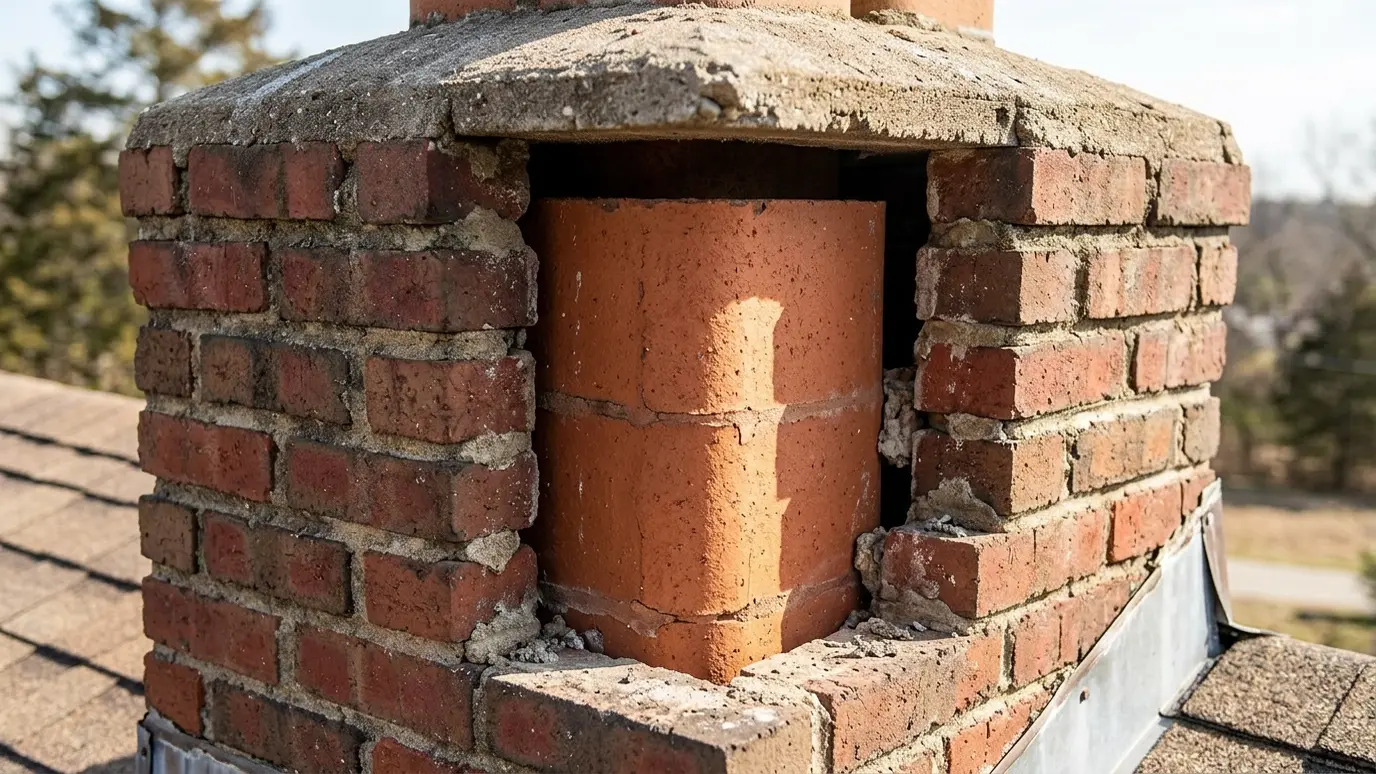 Material guideClay Flue TileClay tile has lined chimneys for a century. Here is what it does well and where it fails.Learn more
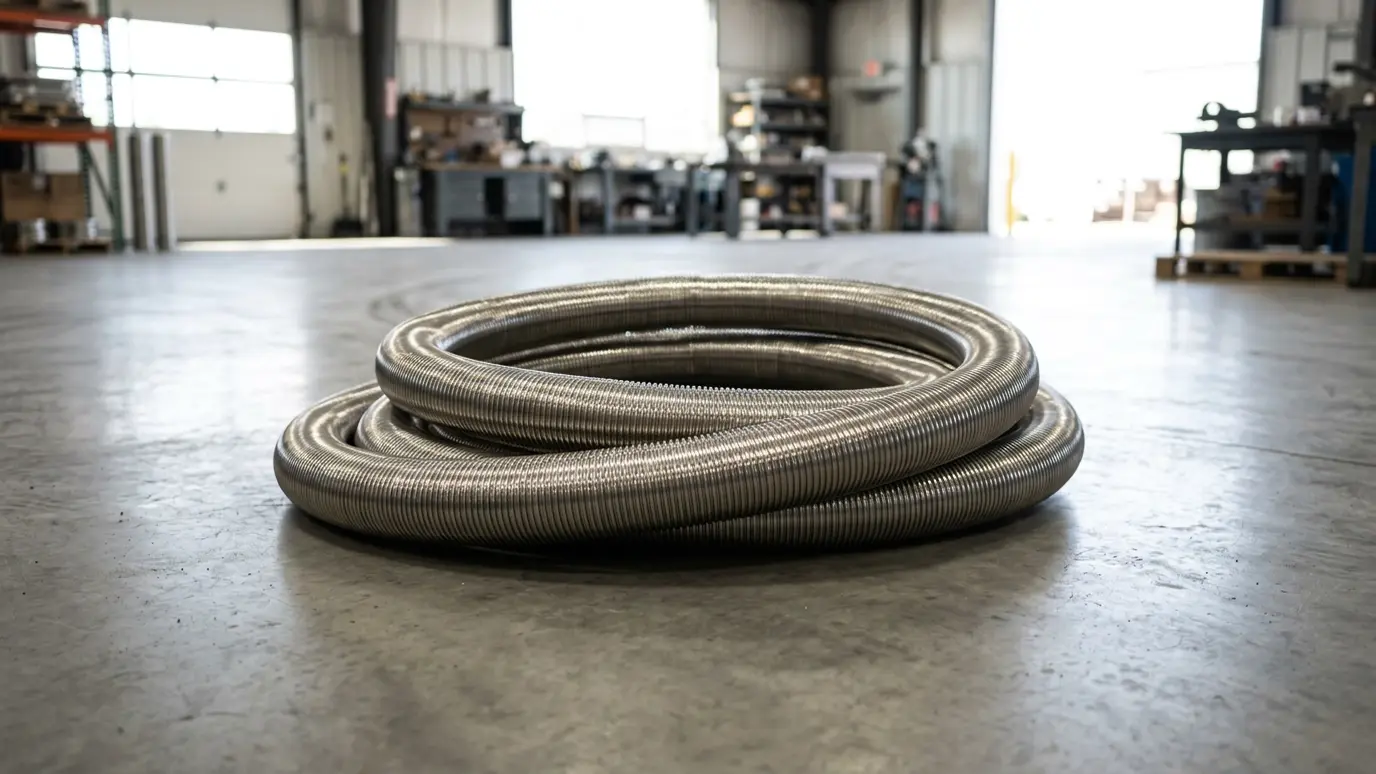 Material guideStainless Steel LinersStainless liners are the standard way to make an old chimney safe. Here is how they work.Learn more
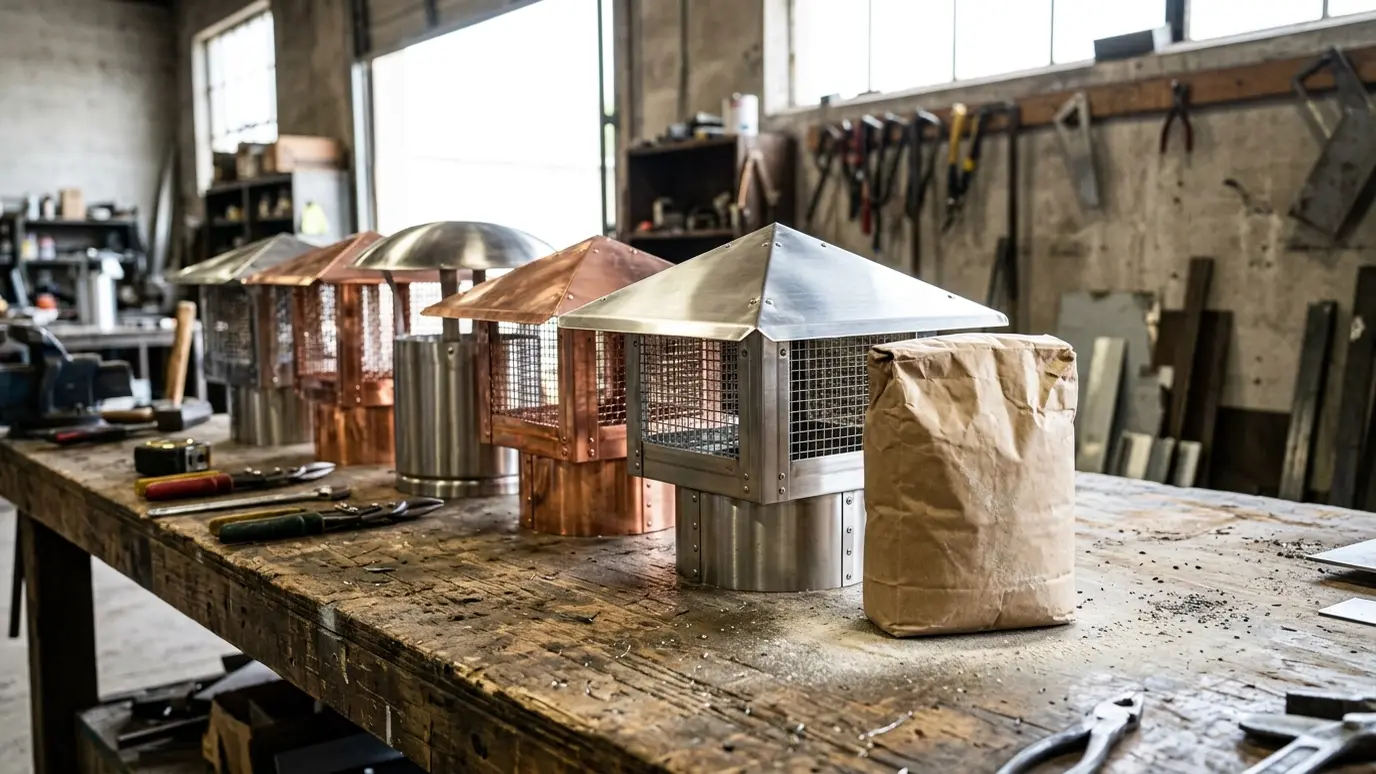 Material guideCaps and CrownsCaps and crowns are the hat and the roof of your chimney. Here is what they do and…Learn more
Call us and we will visit, look closely at your chimney and give you a clear plan and a written scope.