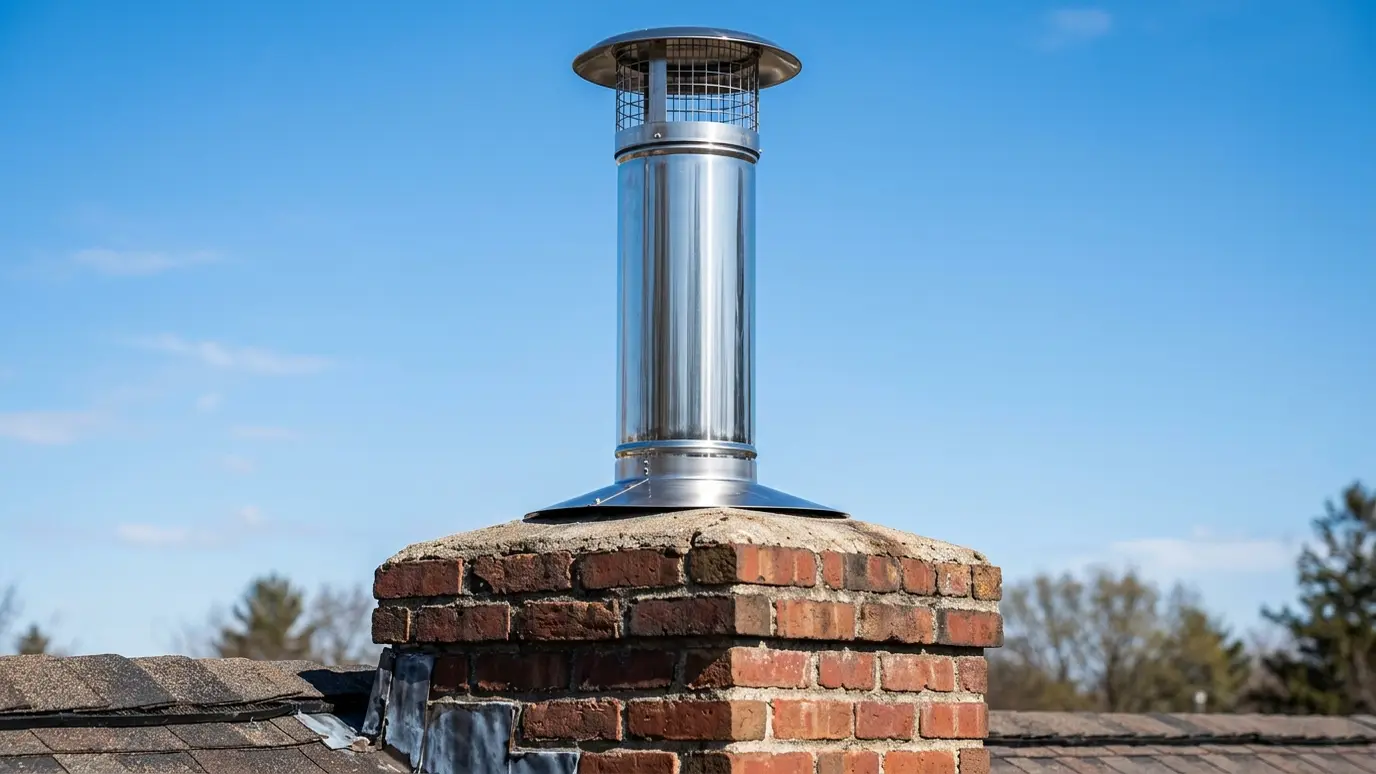
What a liner does
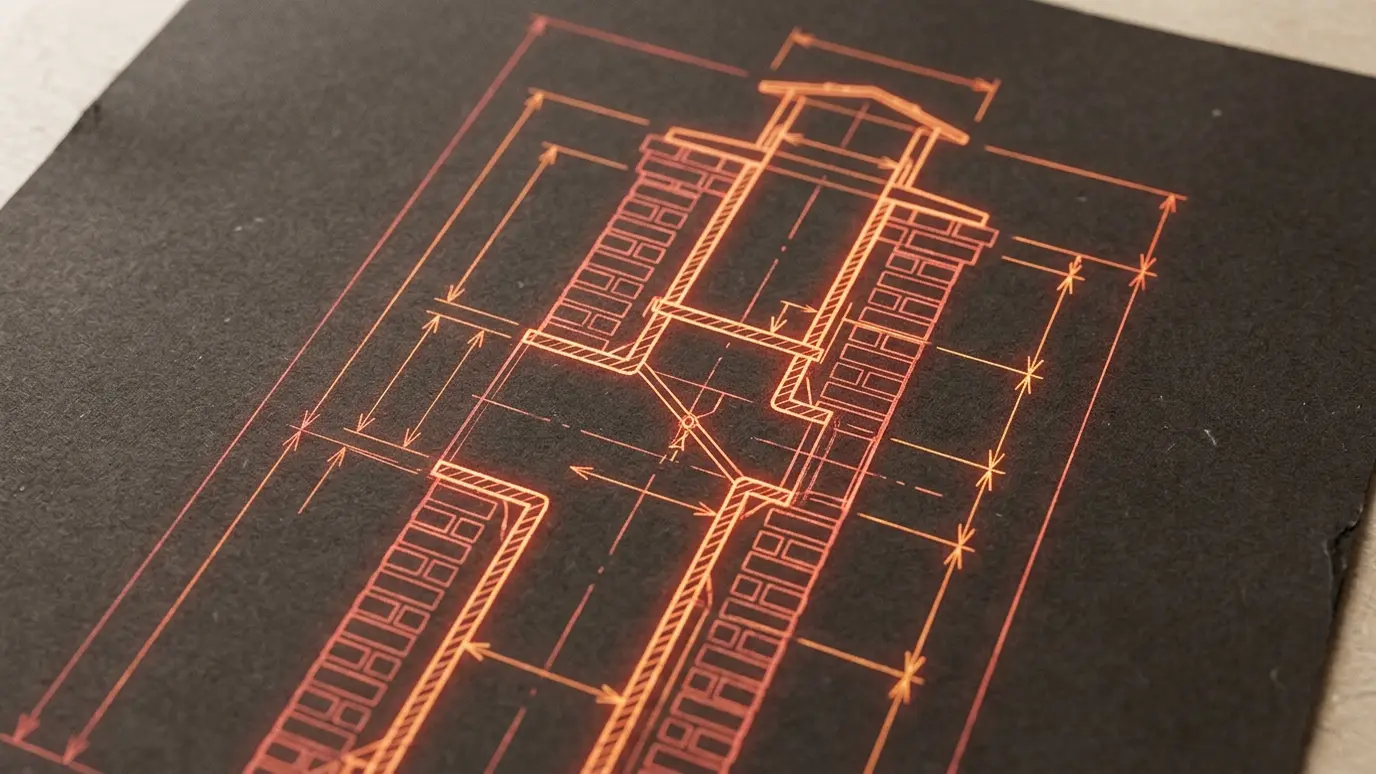
It protects the masonry and nearby wood from heat and acid, and gives smoke a smooth, sealed path.
Without it, a chimney can fail.
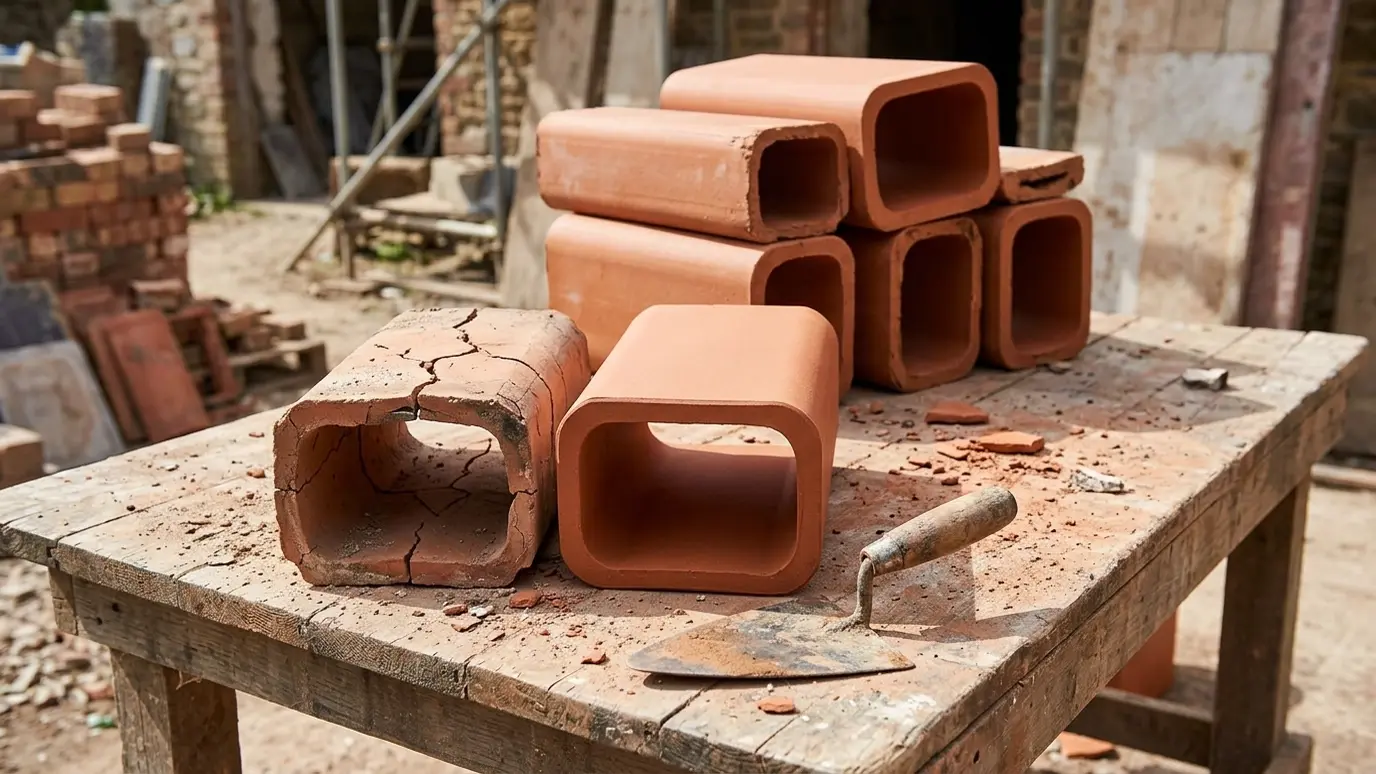
Clay tile
The traditional liner. Durable when sound but brittle and prone to cracks after fire or freeze.
Common in older chimneys.
Stainless steel
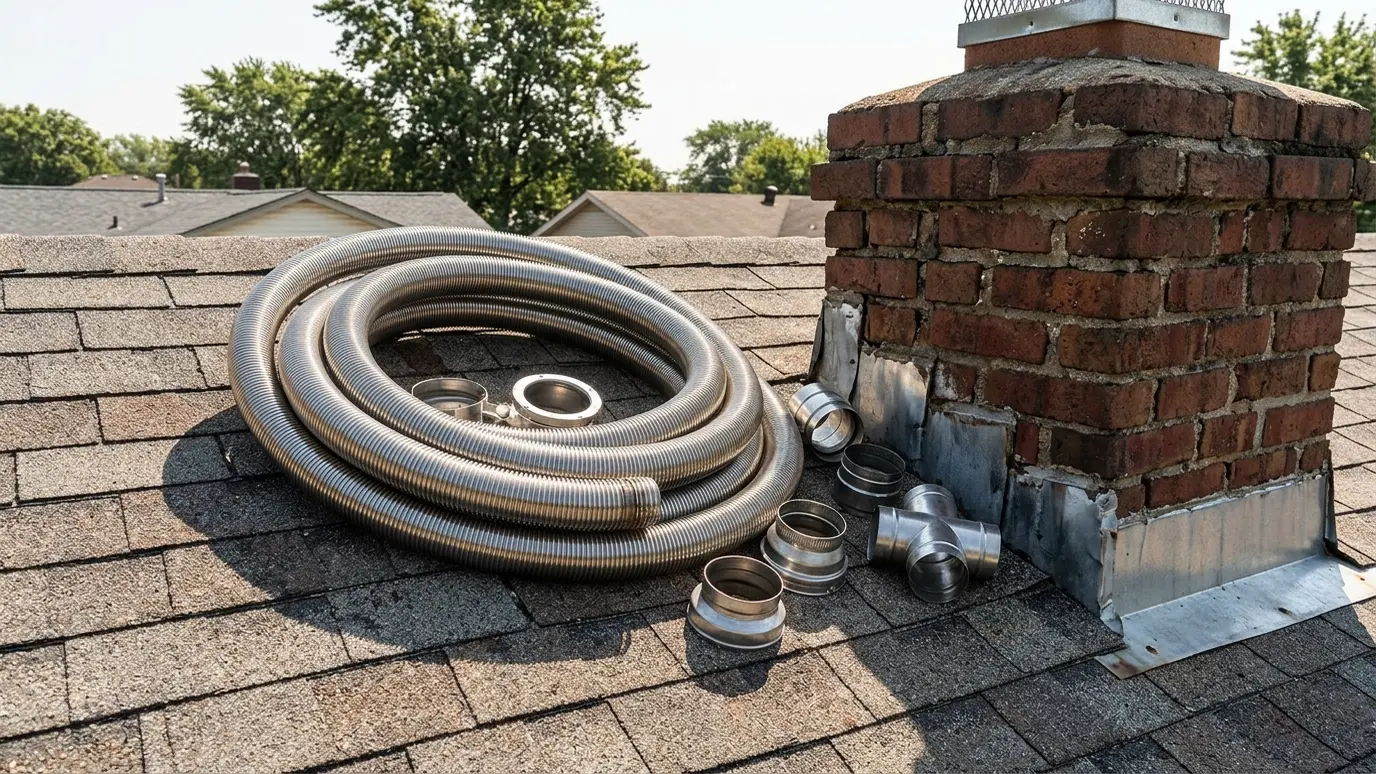
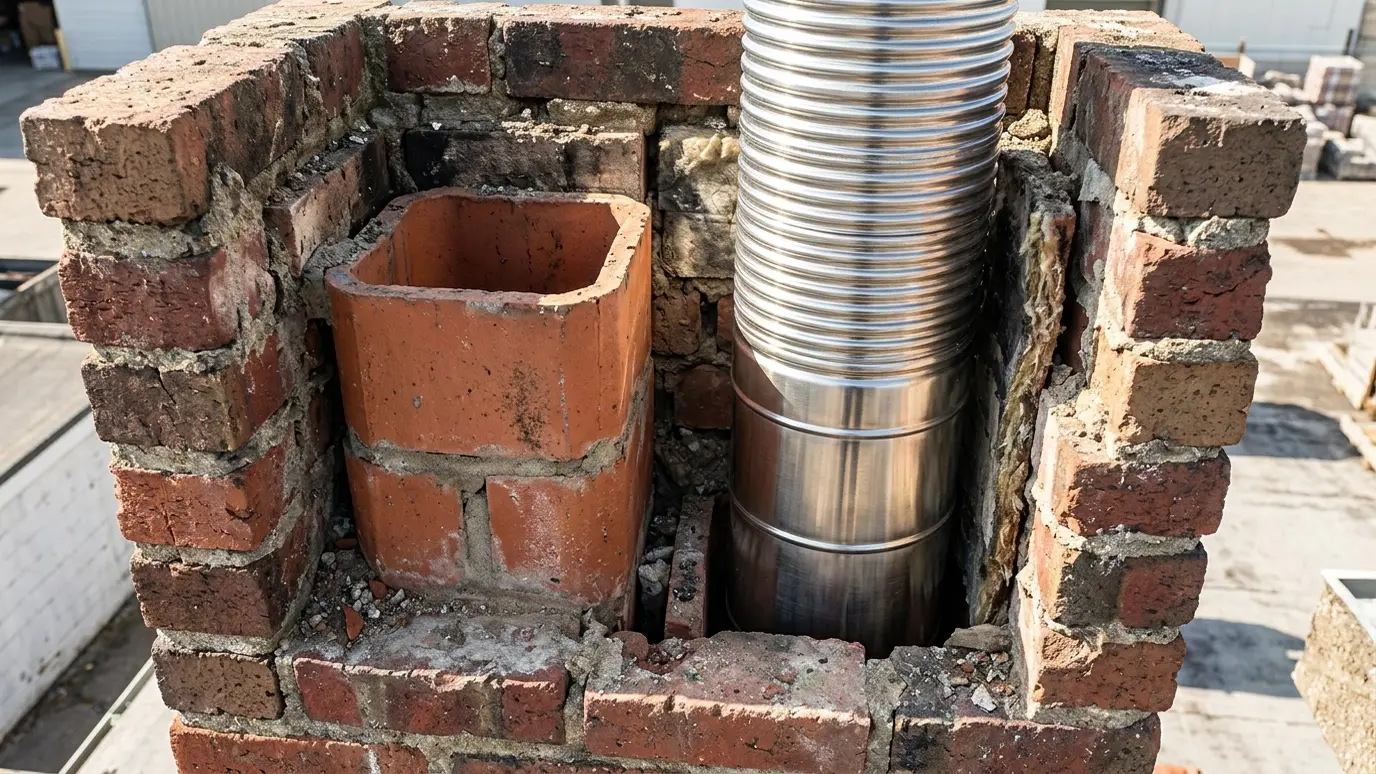
Most retrofits use flexible stainless liners. They can be insulated and are sized to the appliance.
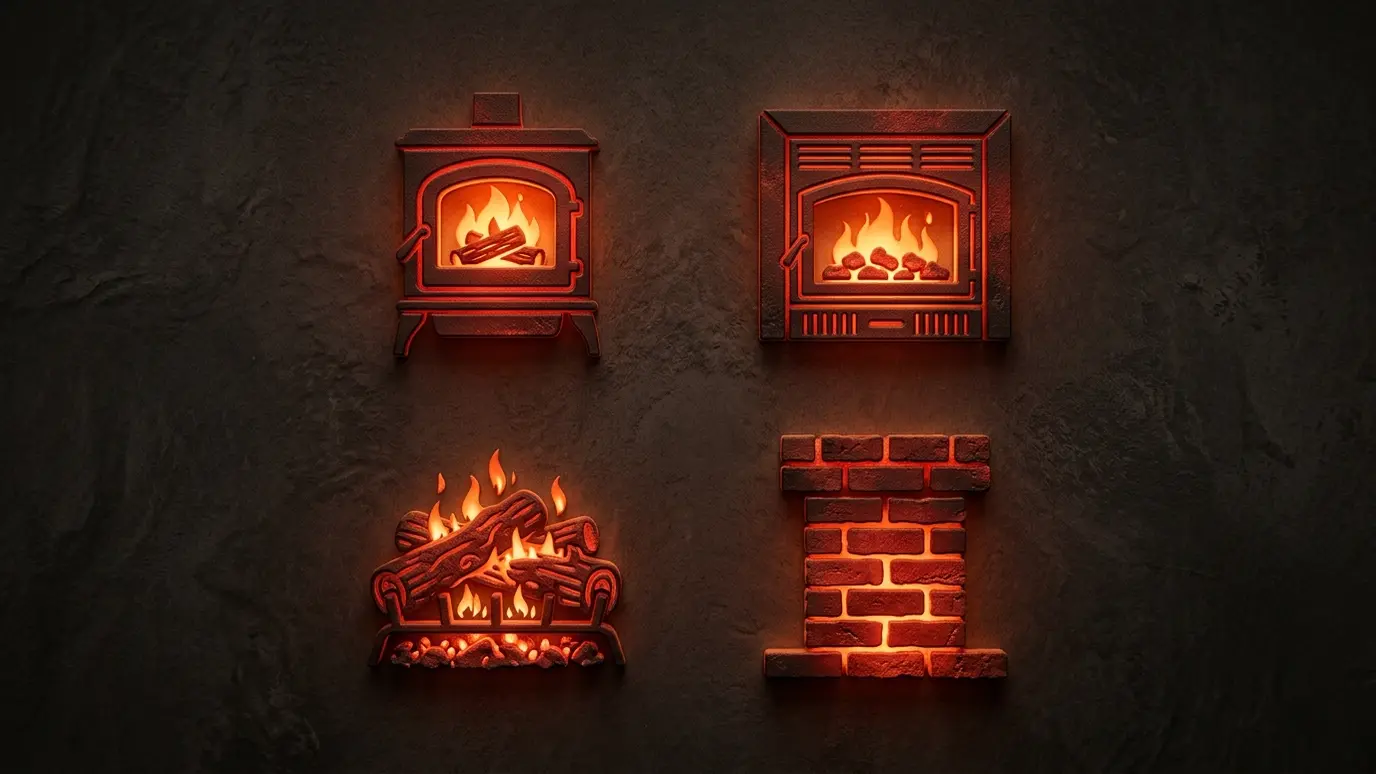
A good fit for stoves and inserts.
Cast-in-place
A cement-based material poured or applied inside the flue to form a new smooth wall. It suits odd shapes.
Best for minor damage and special flues.
Sizing matters
A flue too big cools the smoke and makes creosote. One too small chokes the draft.
The liner must match the appliance.
When to reline
After a chimney fire, with cracked tile, when adding a stove or insert or when switching fuels.
A camera scan helps decide.
Match the liner to the appliance, choose stainless for most retrofits and confirm the flue with a camera first.