Heavy creosote and shiny glaze are removed with the right tools and methods, so a dangerous buildup stops being a fire risk.
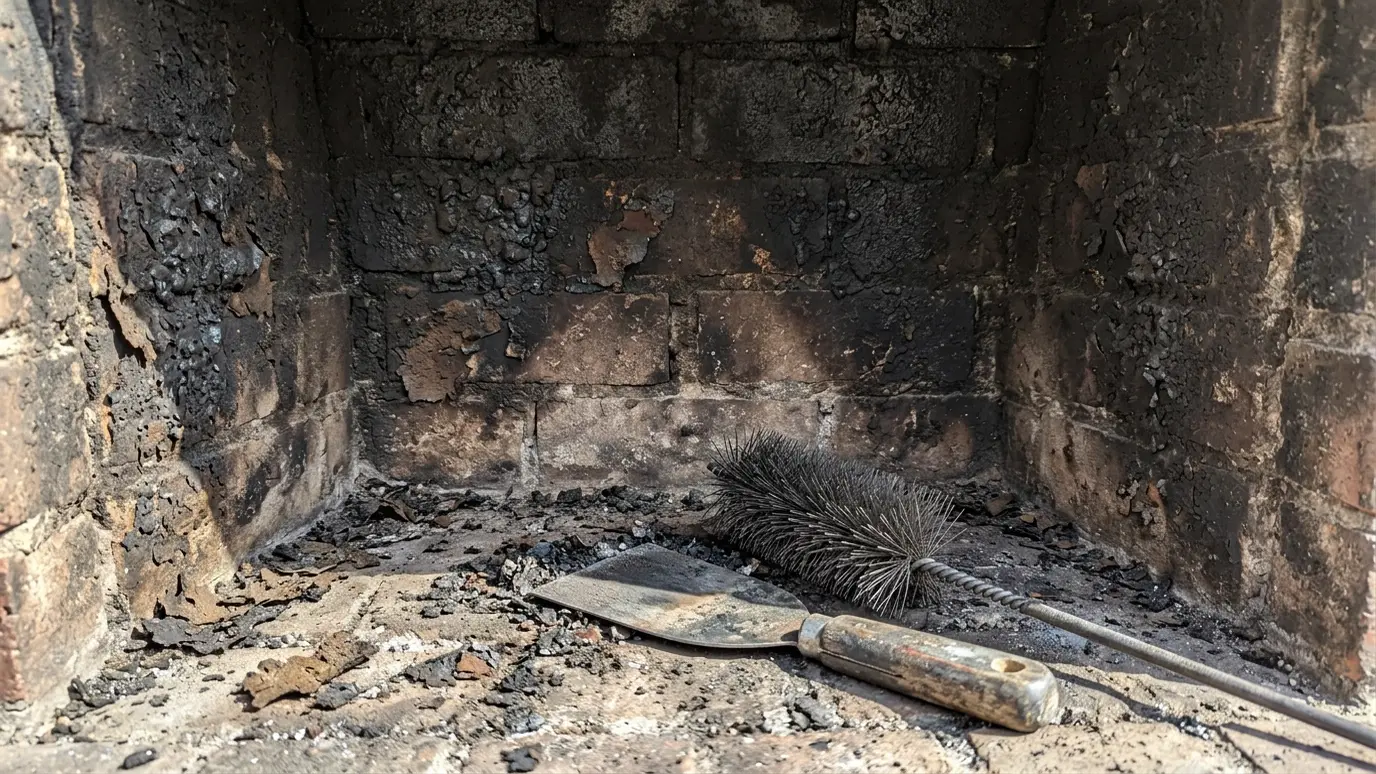
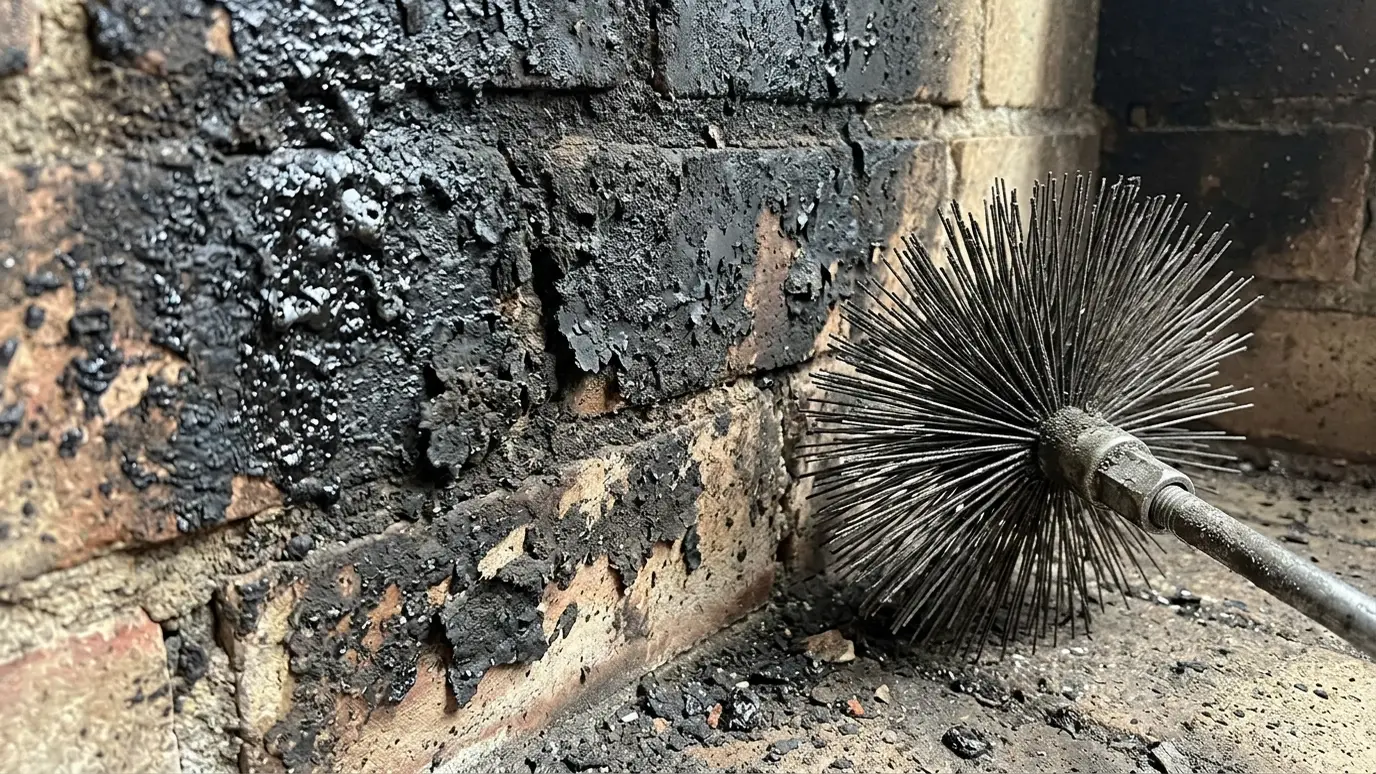
Creosote is the main reason chimney fires start. It forms when smoke cools inside the flue and leaves a residue on the walls. At first it is a dusty soot that a brush sweeps away. Left alone, it turns into flaky tar and then into a hard, shiny glaze that brushes barely touch. That glaze burns hot and fast, and once it is lit it is very hard to put out.
Removing heavy creosote and glaze takes patience and the right approach. We start by finding out how bad the buildup is, then use rotary tools, chains or chemical treatments suited to the stage. Some flues clean up in one visit, and some need repeat work. We tell you honestly which kind yours is, and what to change so it does not come back.
Stage one is light, dusty soot. Stage two is flaky and tarry. Stage three is a hard, shiny glaze. Each needs a different tool, and stage three is the most serious.
A brush handles the first stage, rotary chains or heavy brushing handle the second, and the third may need specialized treatment and several steps.
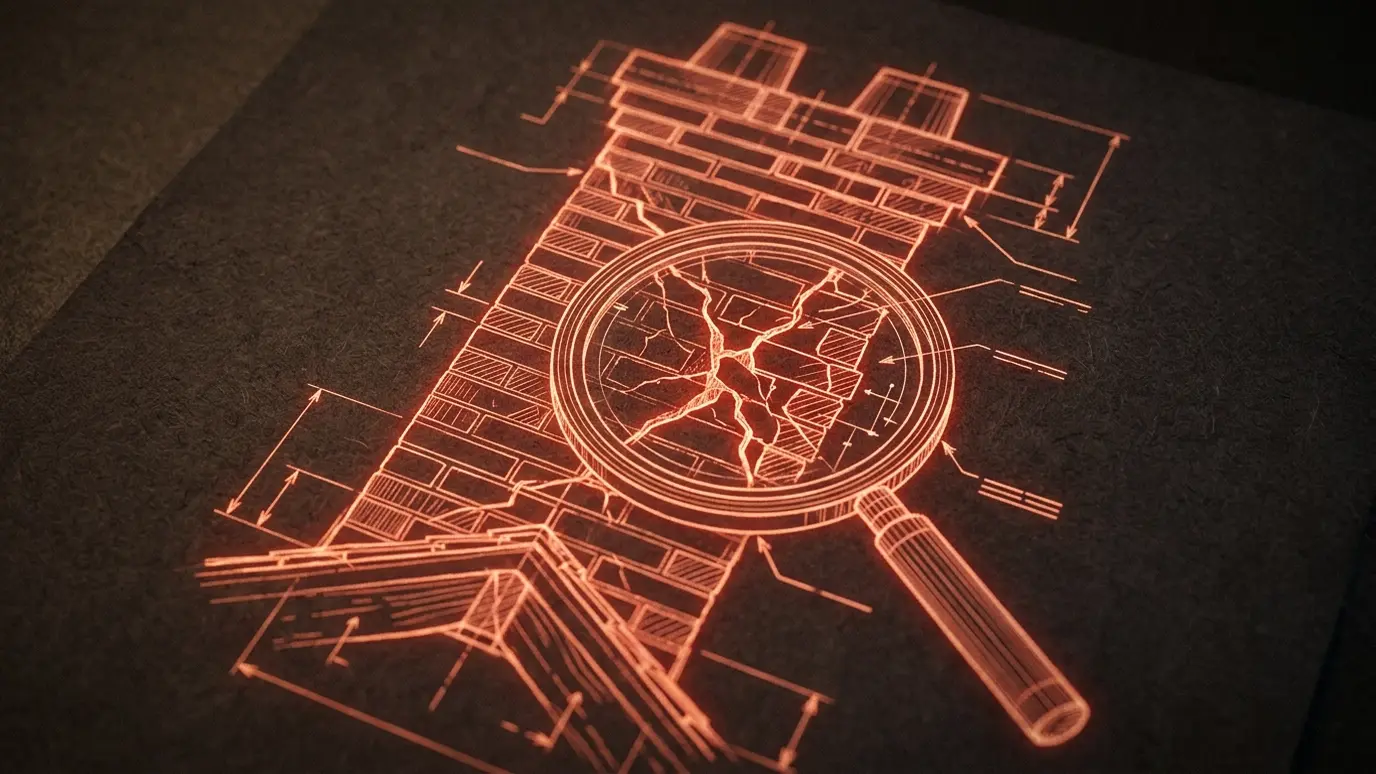
We often scan the flue before and after, so you can see the buildup and confirm it is gone. If the flue has been damaged by heat, the camera shows that too.
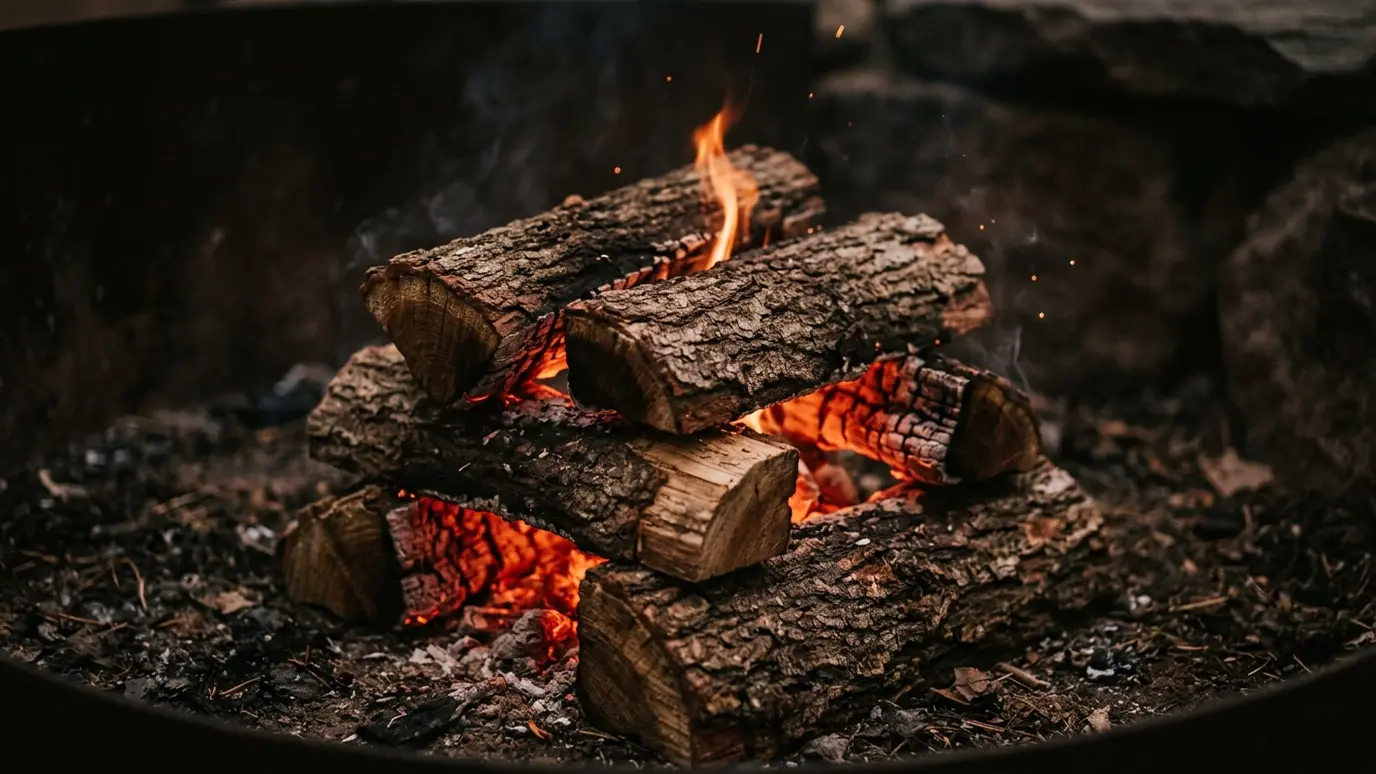
Dry wood, hot fires and good air flow keep creosote low. We explain what is causing yours and how to burn so it stays clean.
Drag the handle to compare.
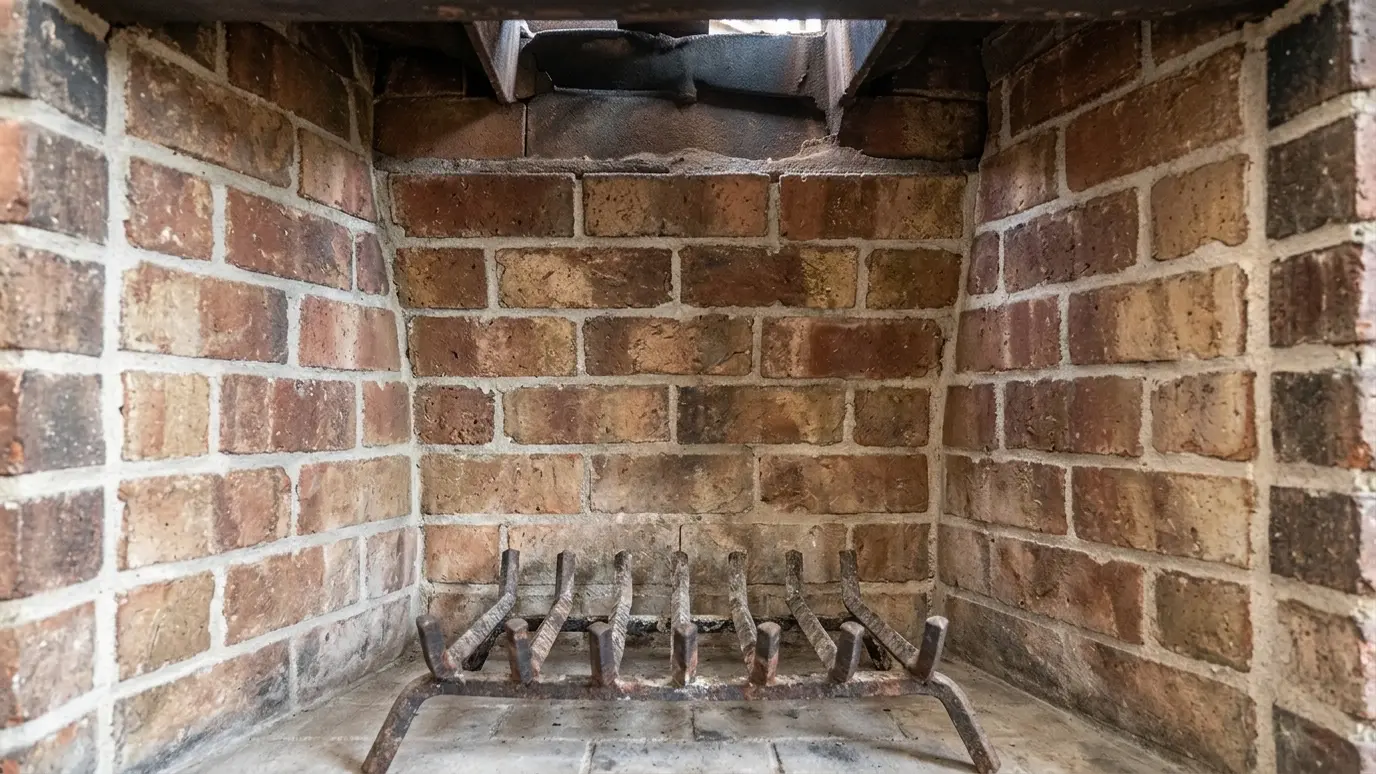
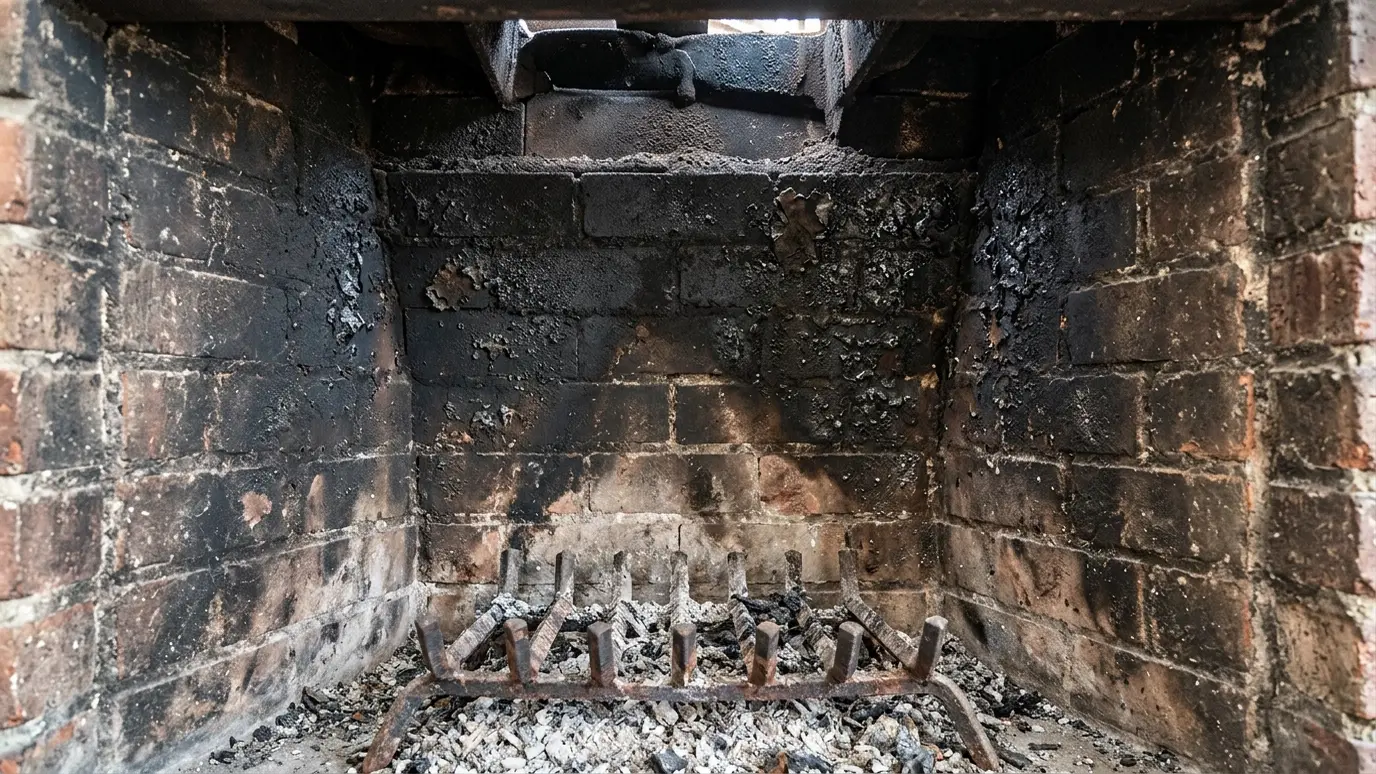 BeforeAfter
From dust to glaze.
Proof it is clean.
The main safety goal.
Keep it from returning.
Heat stress looked for.
Some flues need two.
Every topic has its own page with what to expect and how we approach it.
 Material guideCreosote and SootCreosote and soot are the byproducts of every fire. Here is what they are and why they matter.Learn more
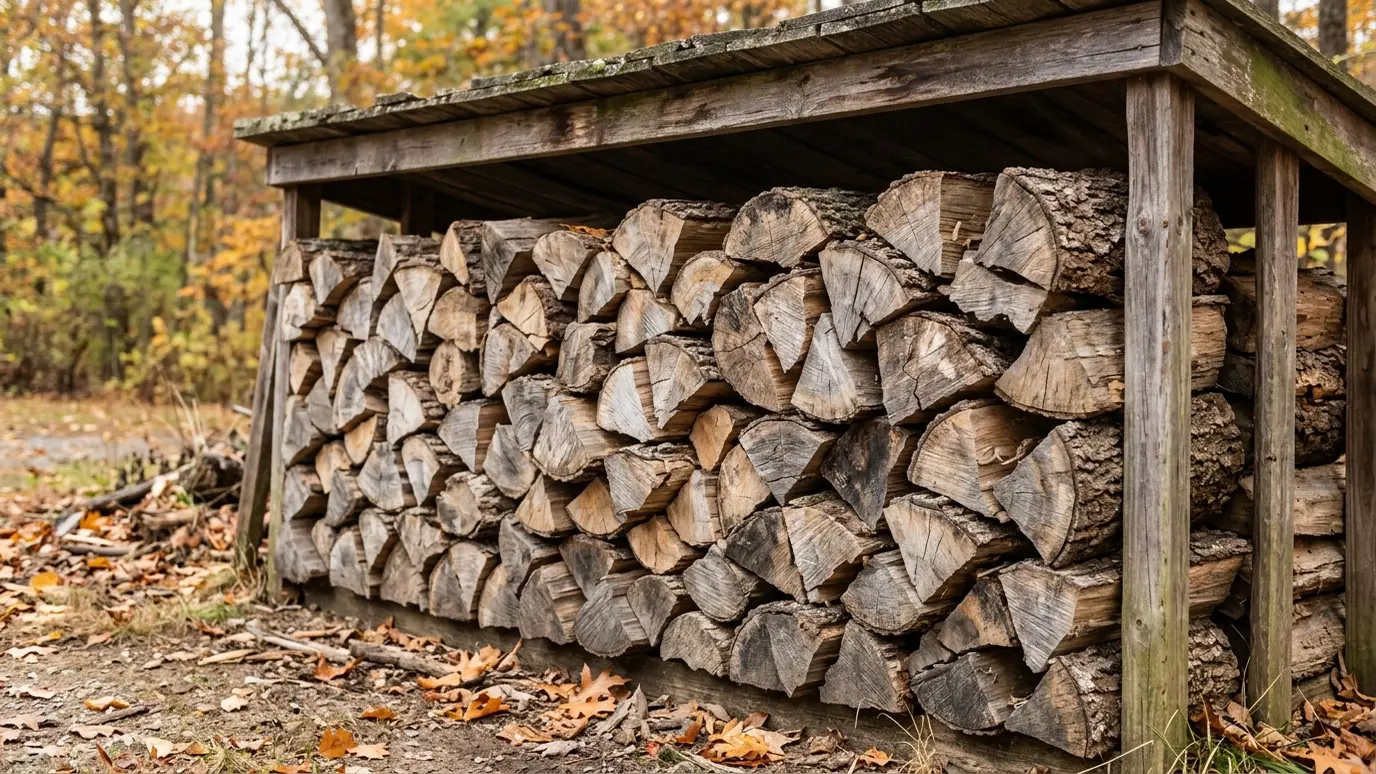 Material guideSeasoned FirewoodWhat you burn decides how clean your chimney stays. Here is how to choose and store firewood.Learn more
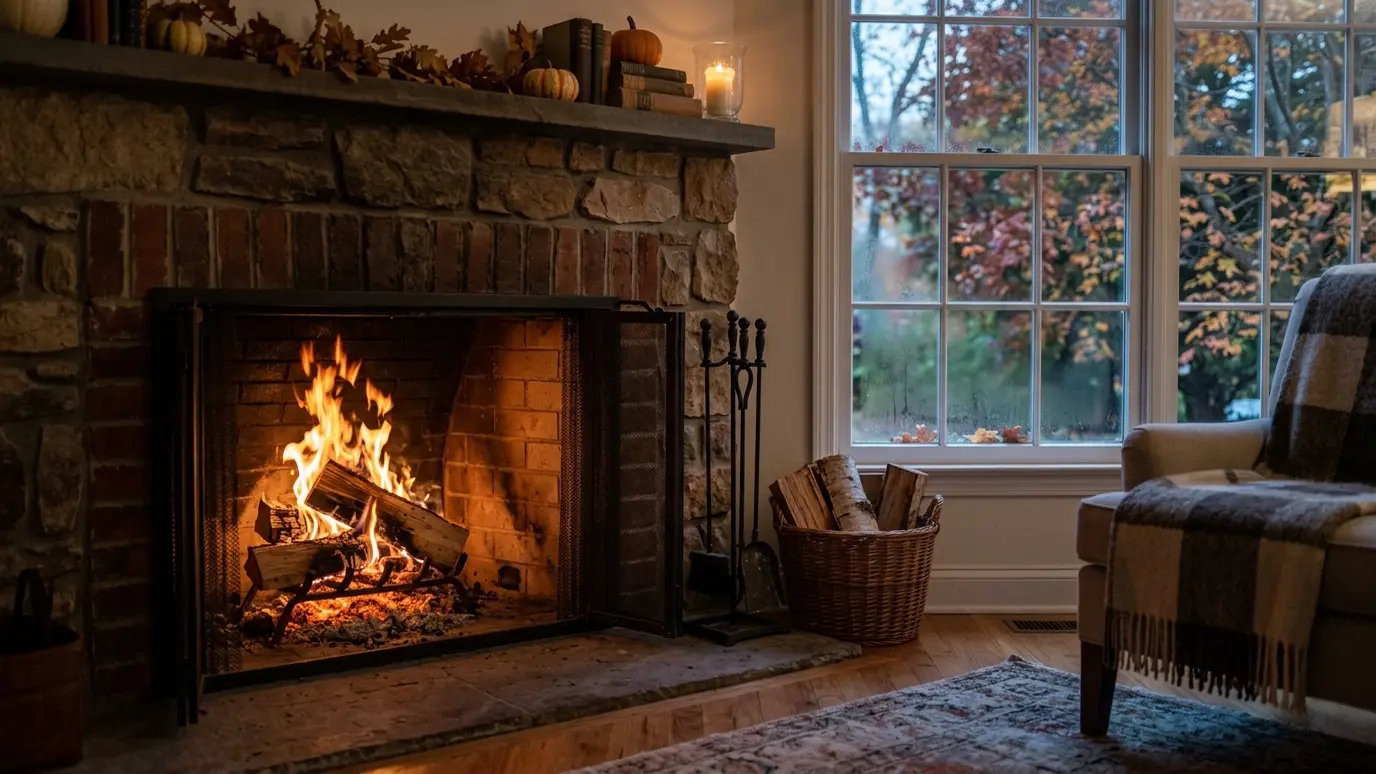 Project situationFirst Fire of the SeasonThe first cold night is not the time to find out your chimney needs work. Here is how…Learn more
Tell us what you burn and how often to see when your chimney should be swept and inspected.
You tell us about the chimney, fireplace or stove and what you have noticed, and we set a visit that fits your day.
We look closely at the chimney, inside and out, ask how you use it and take photos of anything of note.
We explain what is urgent, what can wait and what is optional, and give you a written scope and options.
We lay drop cloths, seal the firebox and protect the roof and landscaping before any work begins.
We sweep, repair or install with the right tools and materials, checking our work as we go.
We clean up, show you what we did, share tips and set a reminder for your next visit.
Cool, slow smoke leaves deposits on the flue. Wet wood, low fires and closed-down air make it worse.
Often yes, but it can take specialized methods and sometimes more than one visit.
Yes. It is a main cause of chimney fires, so heavy buildup should be dealt with promptly.
It can crack tiles and damage the liner. A camera inspection after any fire is smart.
Burn dry, seasoned wood hot and keep air flowing. Our wood and cleaning tools can help you plan.
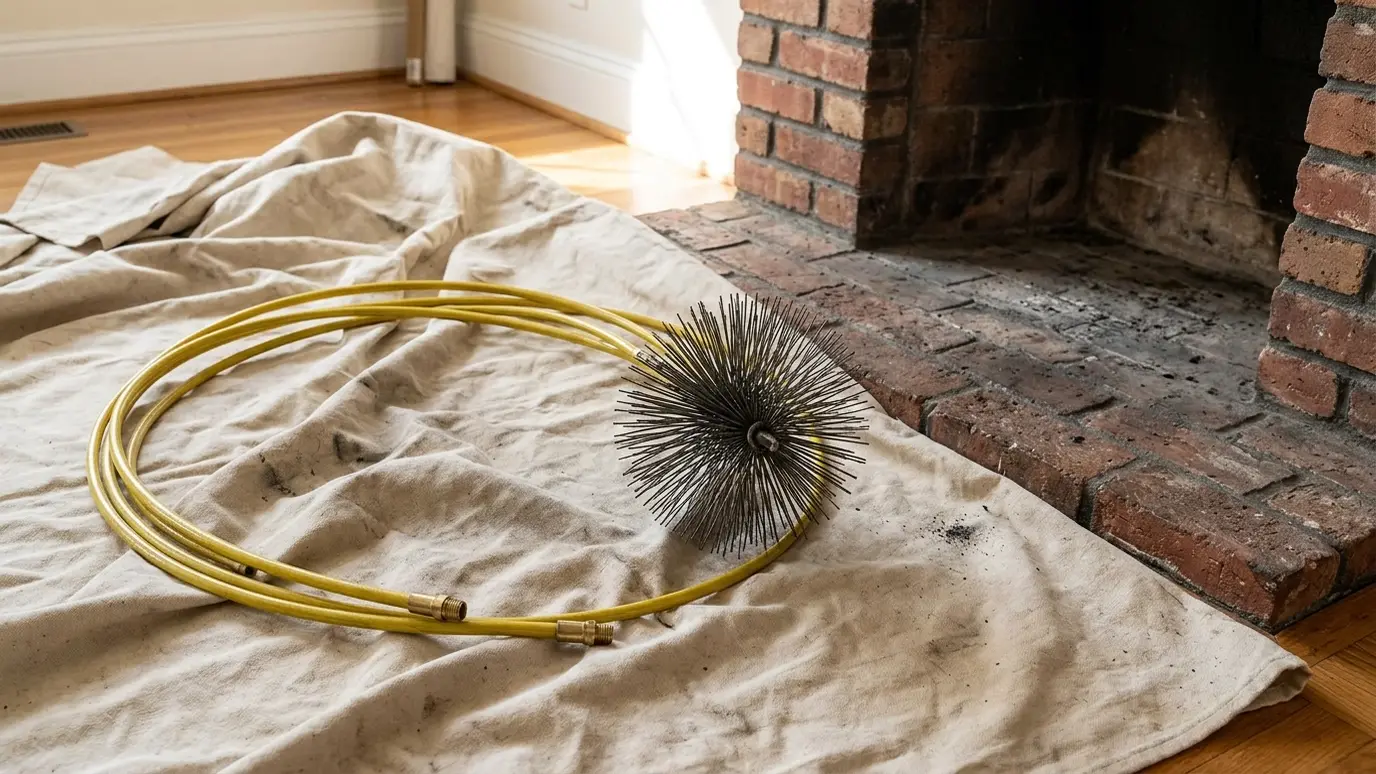 Chimney Cleaning and SweepingA tidy, thorough sweep that removes soot and creosote from the flue, smoke chamber and firebox so every…Explore
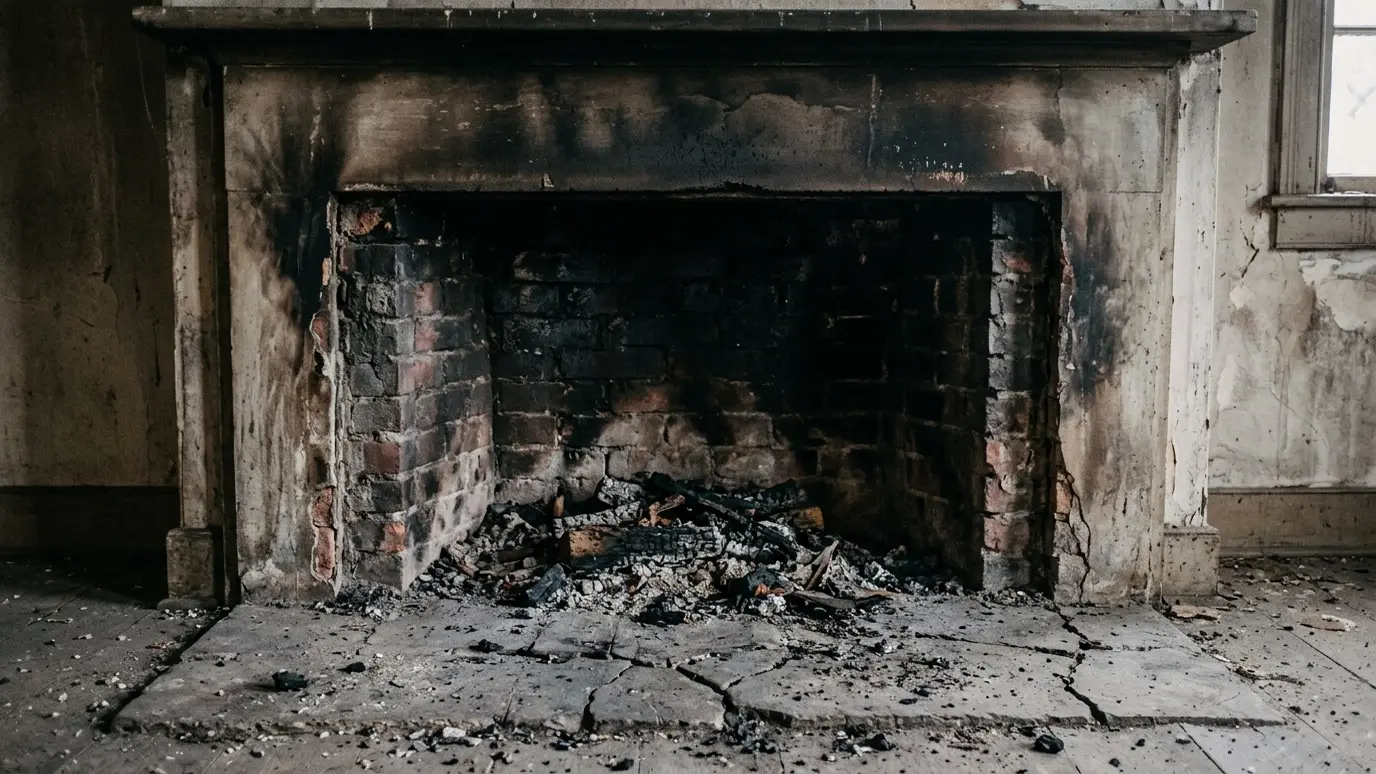 Chimney Fire Damage RepairAfter a chimney fire, a full inspection and the repairs that make the system safe again, from cracked…Explore
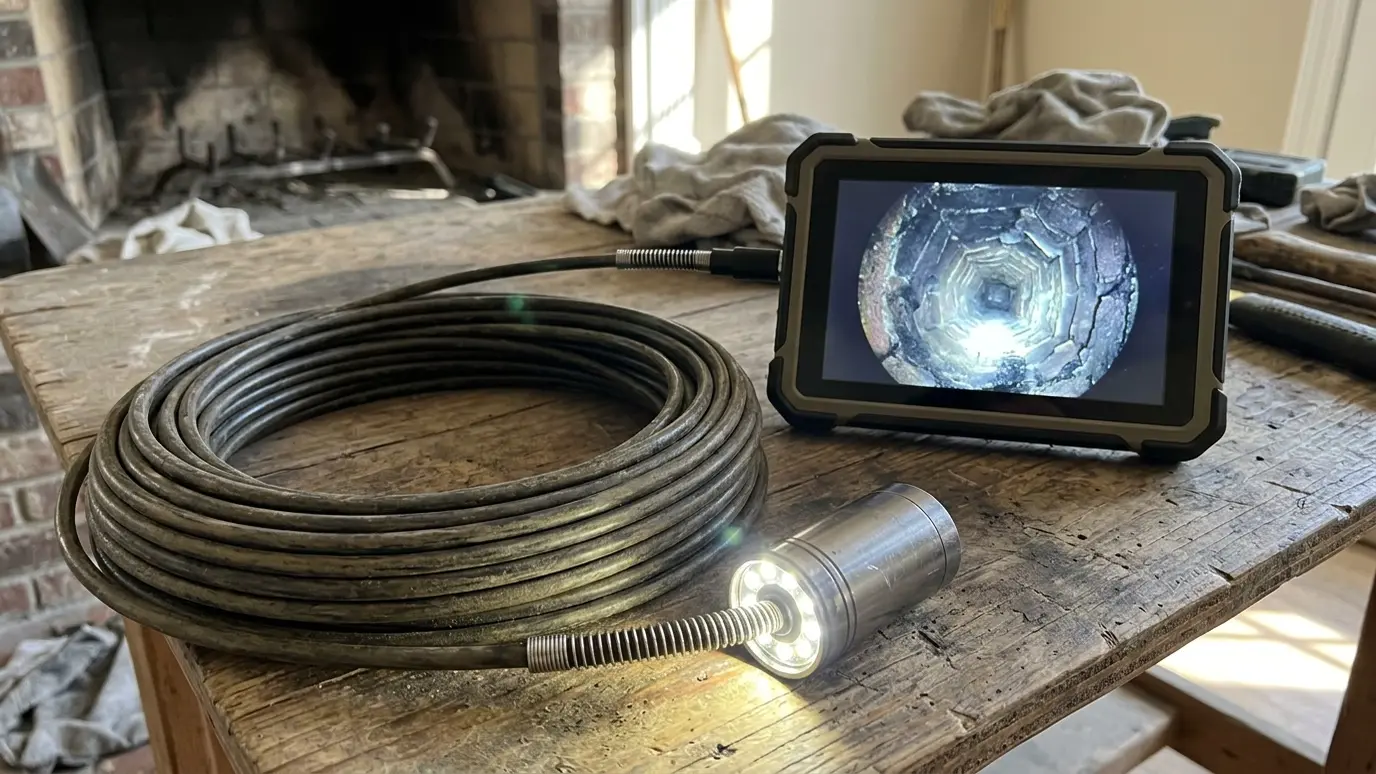 Chimney Camera InspectionA small camera is run through the flue so we can see cracks, gaps and buildup that a…Explore
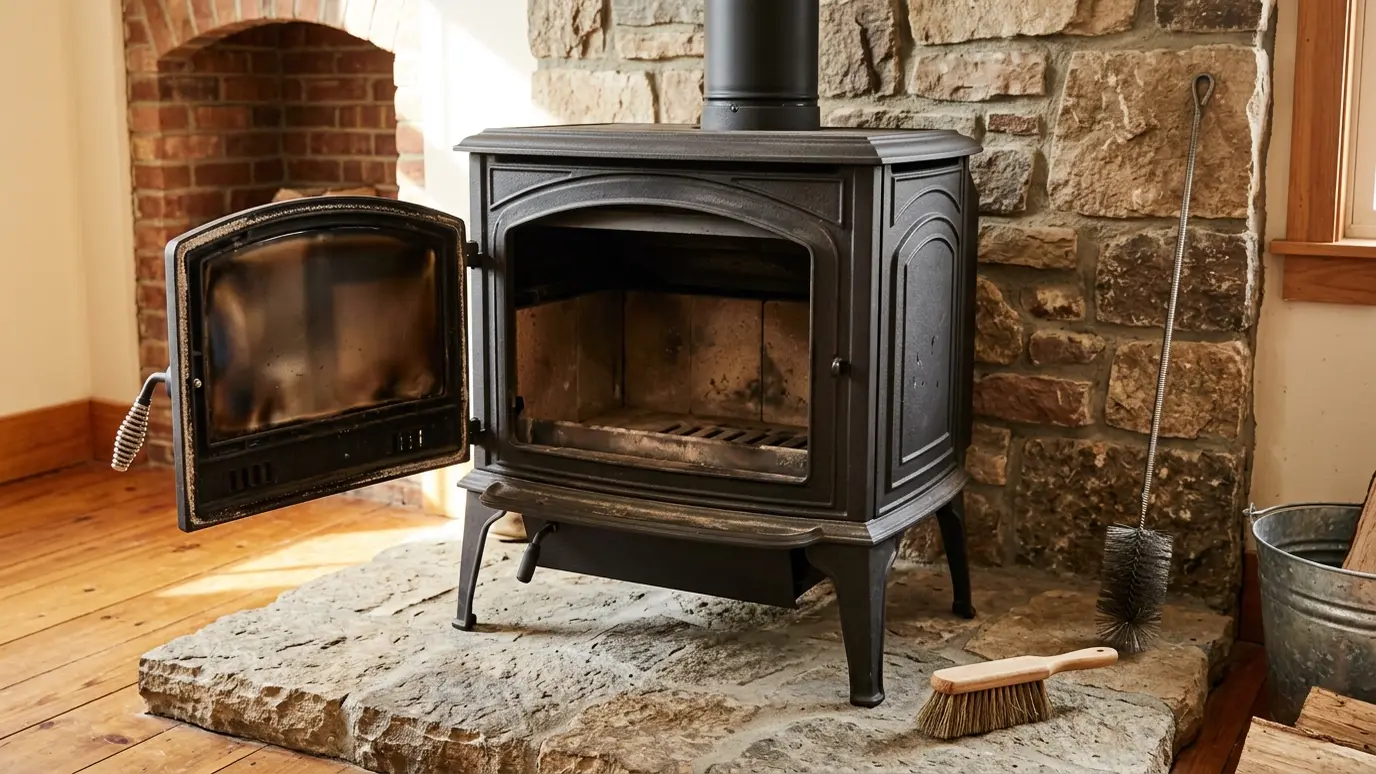 Wood Stove and Insert CleaningCleaning of the stove body, baffles, stovepipe and flue so efficient wood heating stays efficient and safe through…Explore
Tell us about the project and we will call you back to talk it through.
Or call (615) 357-7797 to talk now.